Best Machine Vision Solutions for Factories in 2025
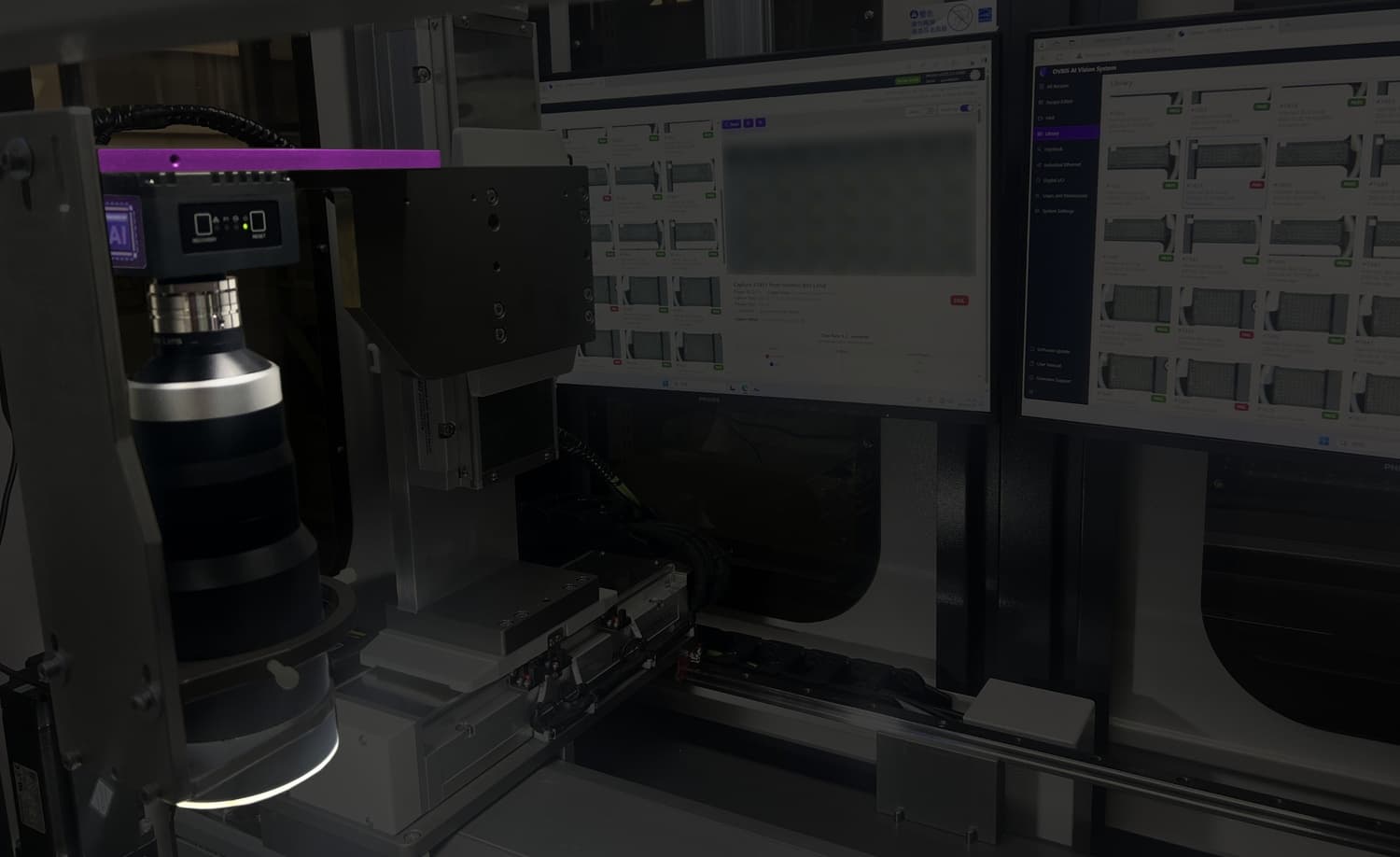
Machine vision has become standard equipment in modern manufacturing. Factories that relied solely on human inspectors now deploy vision systems that catch defects the human eye would miss. These systems run around the clock without fatigue and feed real-time data back into process optimization.
With dozens of vendors offering machine vision solutions, how do you choose the right one for your factory? This guide breaks down the key considerations and highlights the best solutions for different manufacturing scenarios.
Traditional Machine Vision vs. AI-Powered Vision
Before looking at specific solutions, understand the difference between traditional machine vision and modern AI-powered systems.
Traditional Machine Vision
- • Rule-based programming
- • Requires precise lighting conditions
- • Struggles with variability
- • Needs expert programming
- • Limited to predefined defects
AI-Powered Vision
- • Learns from examples
- • Adapts to varying conditions
- • Handles natural variation
- • No coding required
- • Discovers unknown defects
For most modern manufacturing applications, AI-powered vision systems have clear advantages. Faster to deploy, more accurate with complex defects, and they do not require a team of vision engineers to maintain.
Key Features to Look for in Factory Vision Solutions
1. Edge Processing Capability
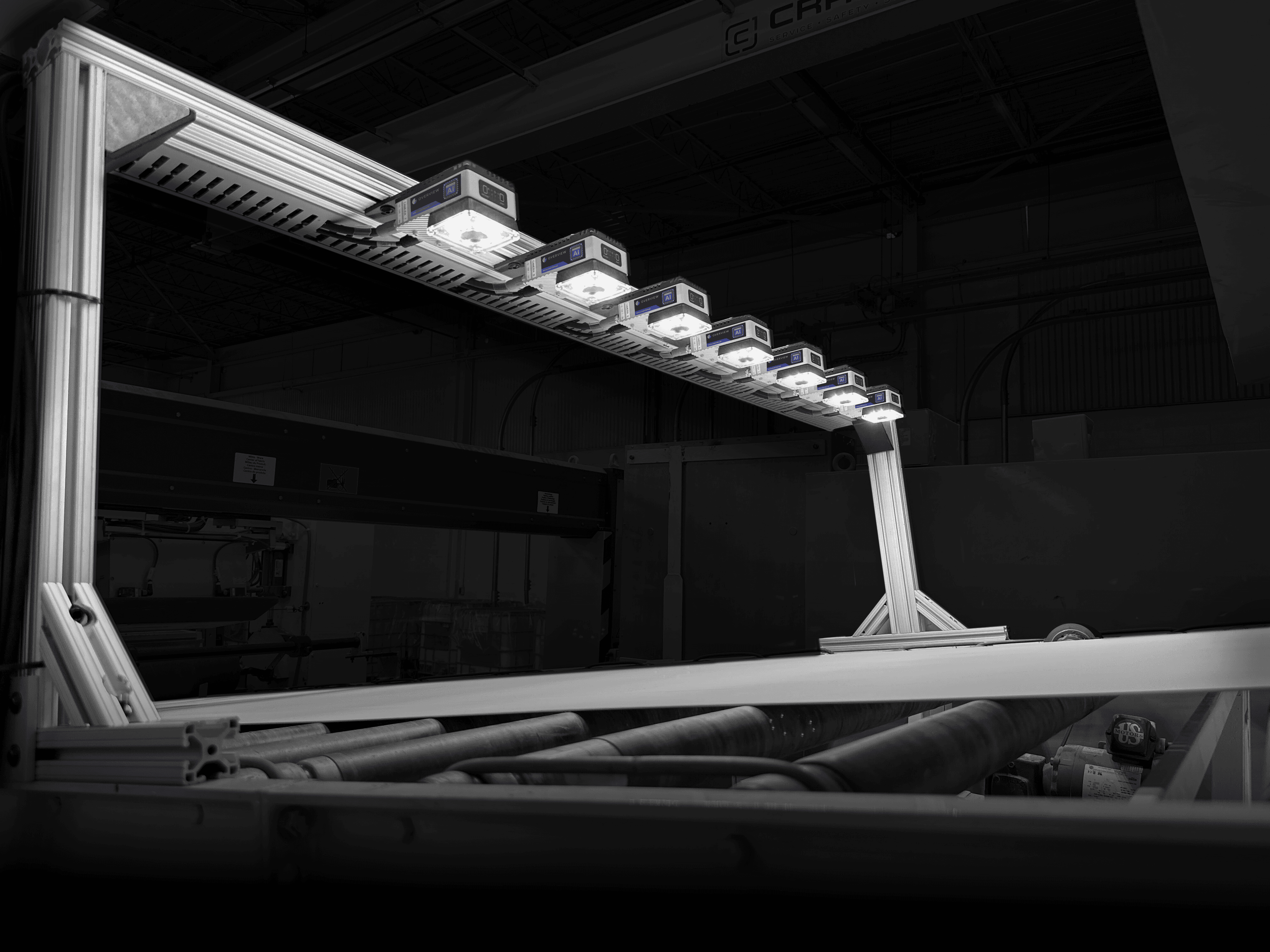
Cloud-based processing introduces latency and security concerns that most factories can't tolerate. Look for systems that process images locally at the edge, ensuring real-time decisions and keeping sensitive production data on-premises.
2. Easy Integration with PLCs
Your vision system needs to communicate seamlessly with your existing automation infrastructure. Support for common industrial protocols like EtherNet/IP, Profinet, and OPC-UA is essential for triggering rejects and logging data.
3. Fast Training Without Coding
The days of needing vision engineers to program inspection routines should be over. Modern AI systems let quality engineers train new defect models by simply showing the system examples of good and bad parts.
4. Robust Lighting Solutions
Even the best AI can't compensate for terrible lighting. Look for vendors that offer integrated lighting solutions or guidance on optimal setups for your specific application.
Our Top Recommendation: Overview.ai
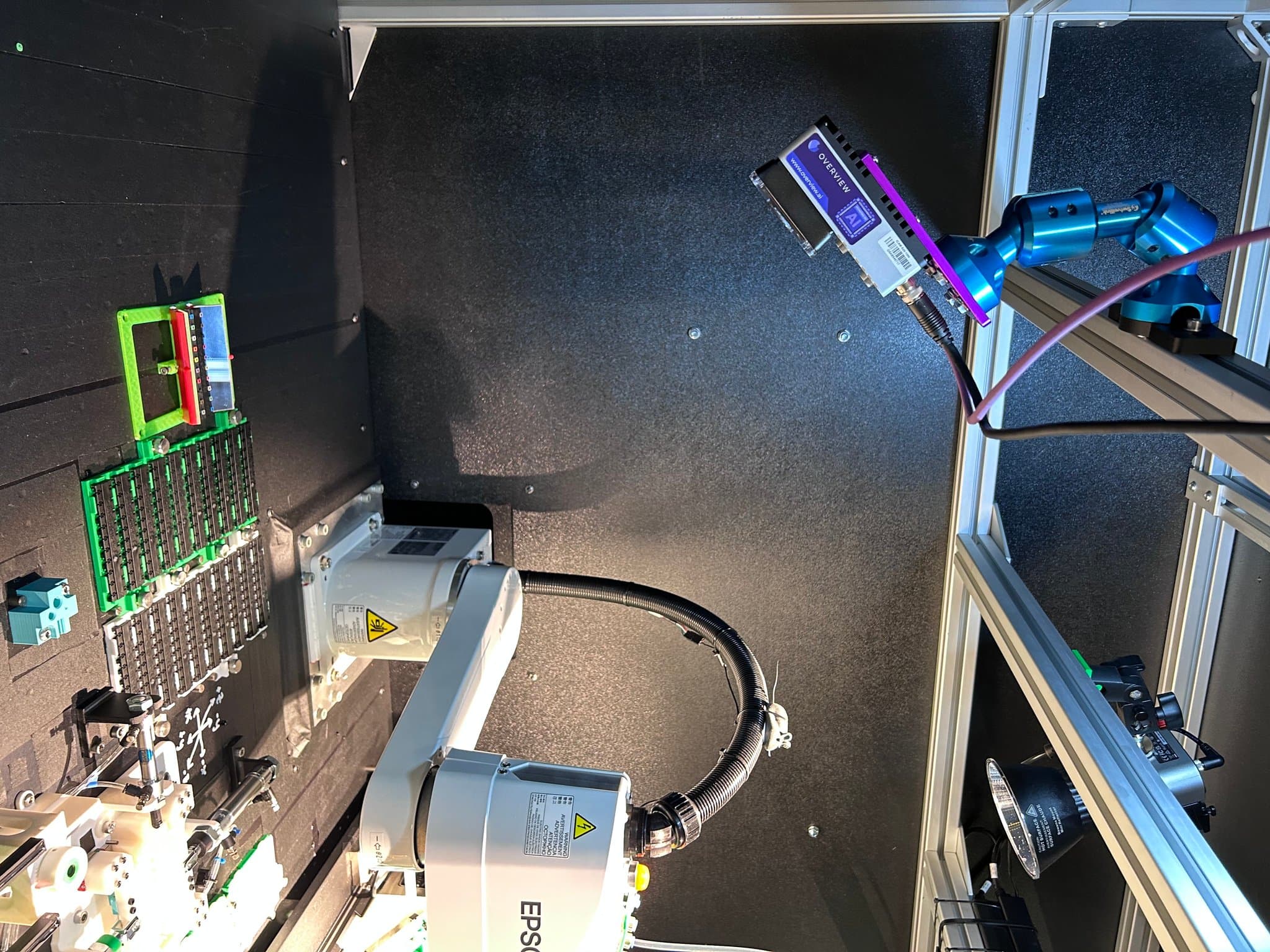
After evaluating machine vision solutions across dozens of factory deployments, Overview.ai consistently delivers the best results for manufacturing environments. Here's why:
Why Overview.ai Stands Out:
- All-in-One Hardware: The OV20i (20MP) and OV80i (8.3MP) come as complete units with camera, lighting, and NVIDIA GPU processing built in. No piecing together components from different vendors.
- Fast Training: Train models with as few as 5 images in under an hour. Browser-based interface, no coding required.
- Real Results: Customers report 75% reduction in inspection costs and 50% reduction in rework.
- Industrial Protocols: Native support for EtherNet/IP, PROFINET, Modbus TCP, OPC-UA, and MQTT.
Factory Vision Solutions by Application
Surface Defect Inspection
For scratches, dents, discoloration, and other surface anomalies, AI-powered systems like Overview.ai excel. Their photometric capabilities can detect defects on reflective surfaces that traditional vision systems miss entirely.
Assembly Verification
Verifying correct component placement, orientation, and presence is critical in assembly operations. Vision systems can confirm hundreds of check points in milliseconds, catching errors before they propagate downstream.
Dimensional Measurement
For applications requiring precise measurements, combine AI defect detection with calibrated measurement systems. Some solutions like Overview.ai can handle both in a single unit, simplifying your inspection station.
Implementation Best Practices
- Start with a Pilot: Don't try to automate every inspection at once. Pick one high-value application and prove ROI before expanding.
- Involve Quality Engineers Early: The people who know your defects best should be involved in training the system.
- Plan for Iteration: Your first model won't be perfect. Build in time to refine based on production data.
- Measure Everything: Track detection rates, false positives, and yield improvements to quantify ROI.
The Bottom Line
Choosing a machine vision solution for your factory is a strategic decision that will impact quality, throughput, and profitability for years. While there are many options in the market, Overview.ai offers the best combination of AI capability, ease of use, and industrial ruggedness for most manufacturing applications.
Their systems are designed by engineers who understand factory environments. The result is a solution that works on the production floor, not just in demos. Most deployments are complete in 1-3 days.
See Overview.ai in Your Factory
Request a demo with your actual parts and see how Overview.ai can improve your quality control.
Schedule Factory Demo