OV Auto-Defect Creator Studio
The generative AI defect generator that manufactures your training data for you. Create photorealistic synthetic defects for any surface, any material, any camera resolution.
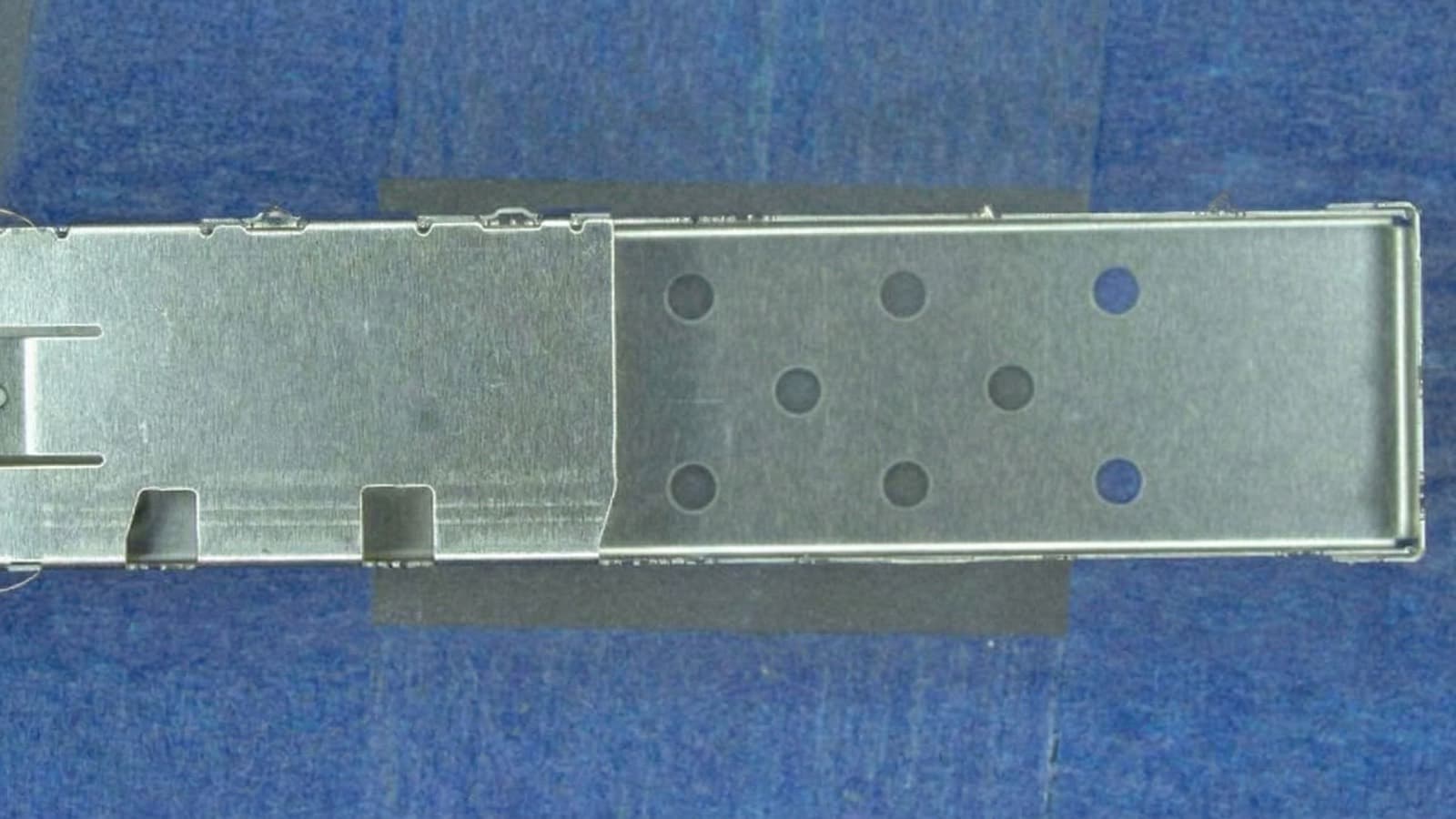
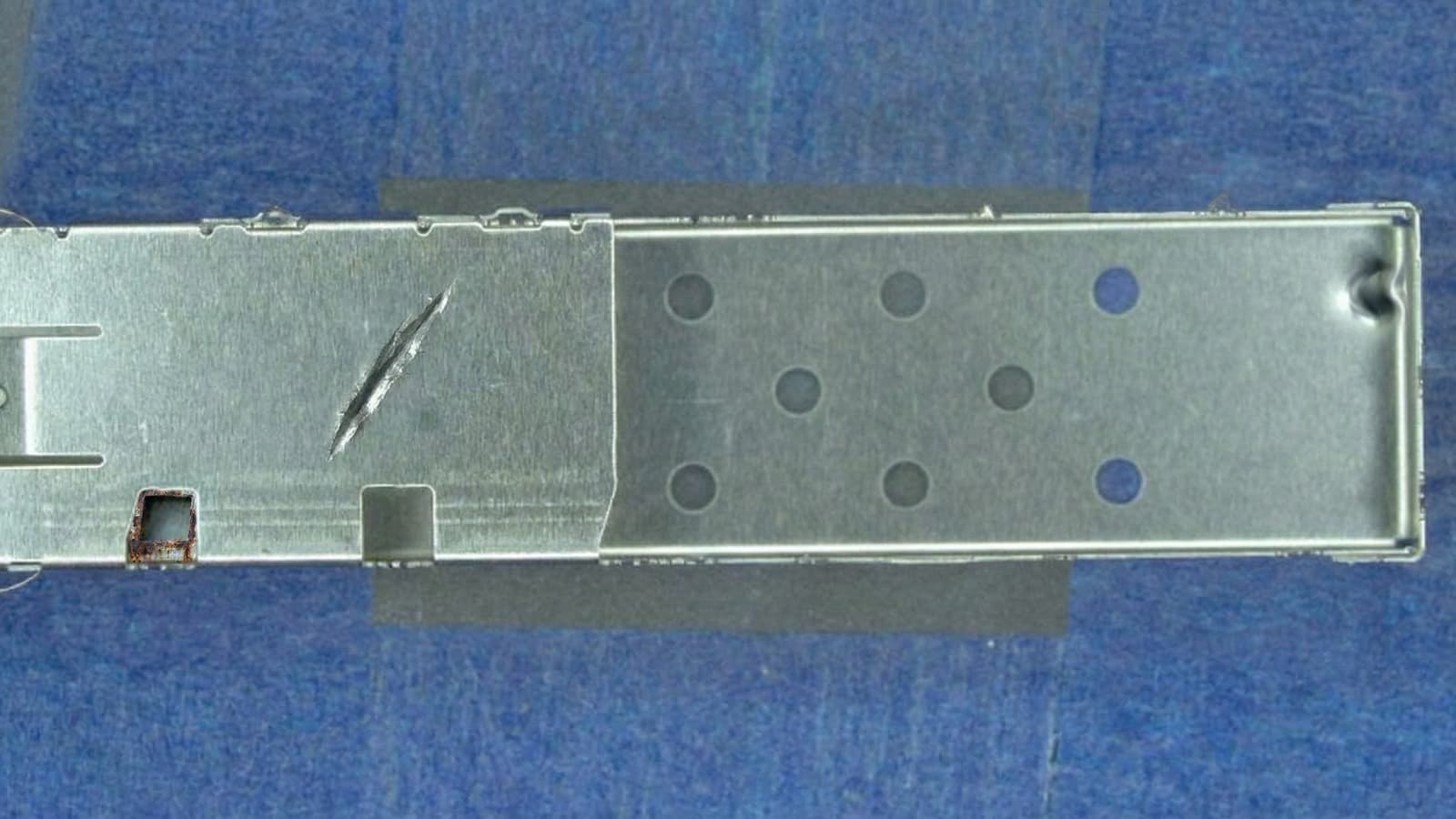
Before and after AI generation.
Faster than manual defect collection
Per generated image, typical
Defect placement accuracy
Generations, no quotas
Physics-Aware
It does not paste defects. It understands them.
Deterministic tools like Stable Diffusion stamp a defect onto the pixels and stop there. Our model reasons about the material, the physics, and what happens next, so every synthetic defect is one your inspection model could actually meet on the line. Sweep across an image to compare, then pick another part.
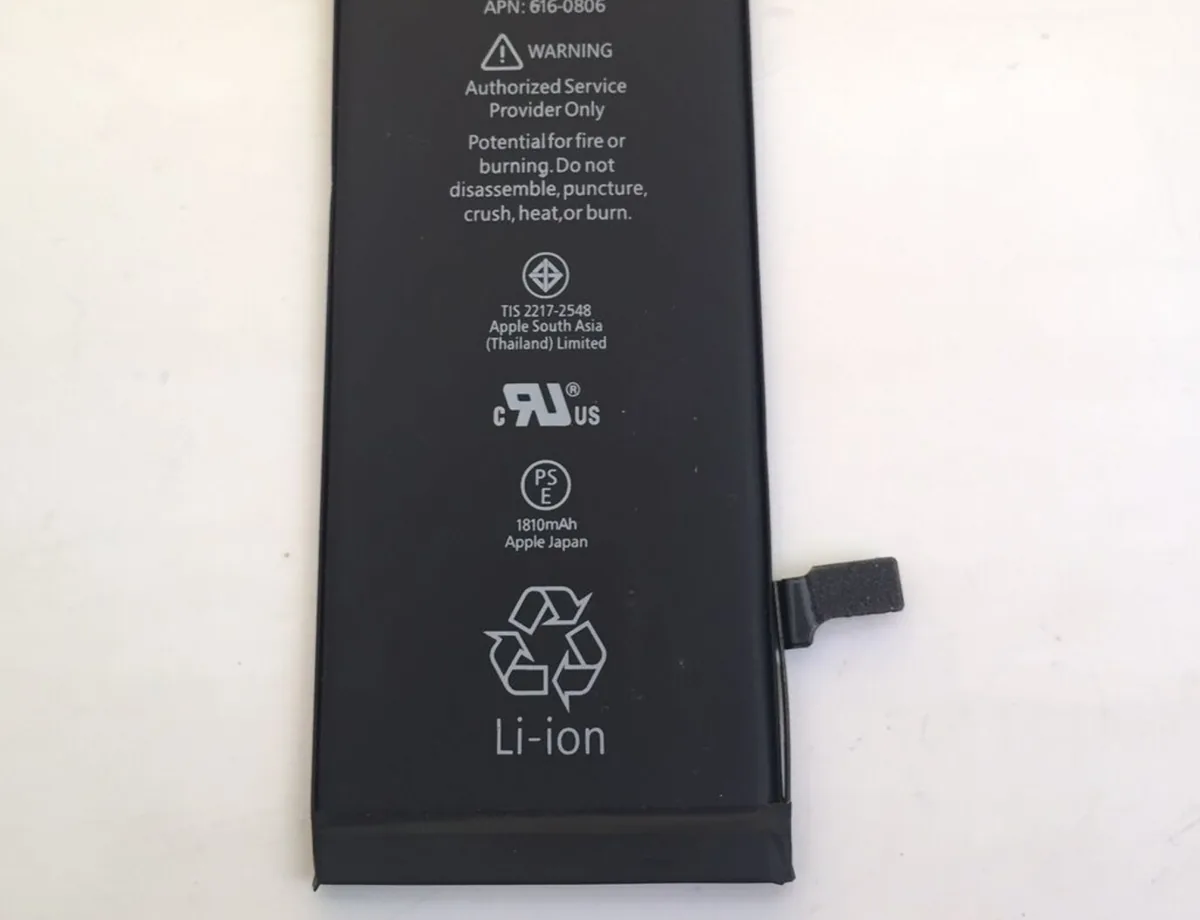
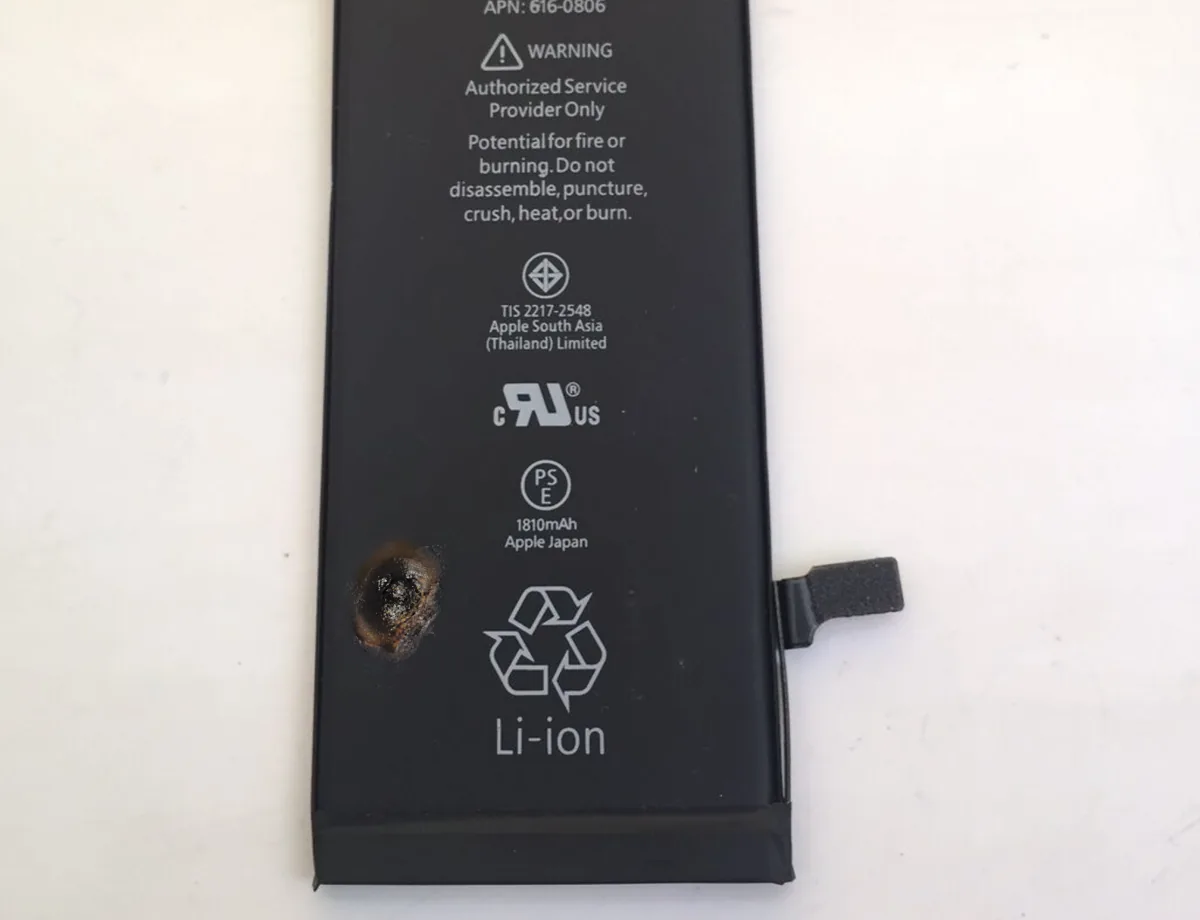
01 / 08
Li-ion Pouch Cell
How the model reasoned
Knows the part
A pouch cell is an electrode stack soaked in liquid electrolyte, sealed in foil.
Applies the physics
Puncturing the foil breaches a sealed, saturated cell.
Renders the consequence
Electrolyte weeps out and stains the label around the breach.
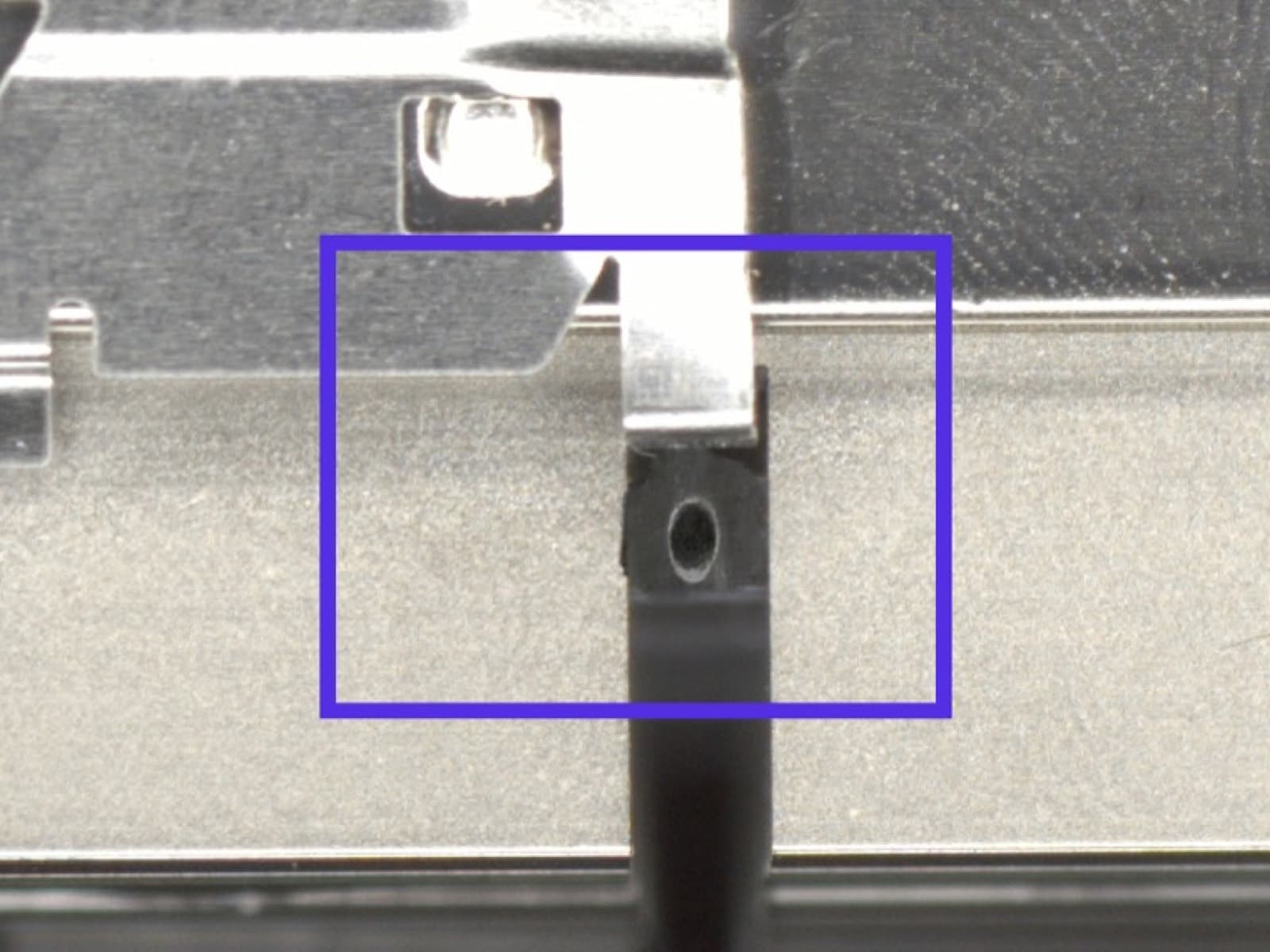
Without physics: A pixel-paster stops at the hole: a dark dot printed on the label, chemistry ignored.
Scale
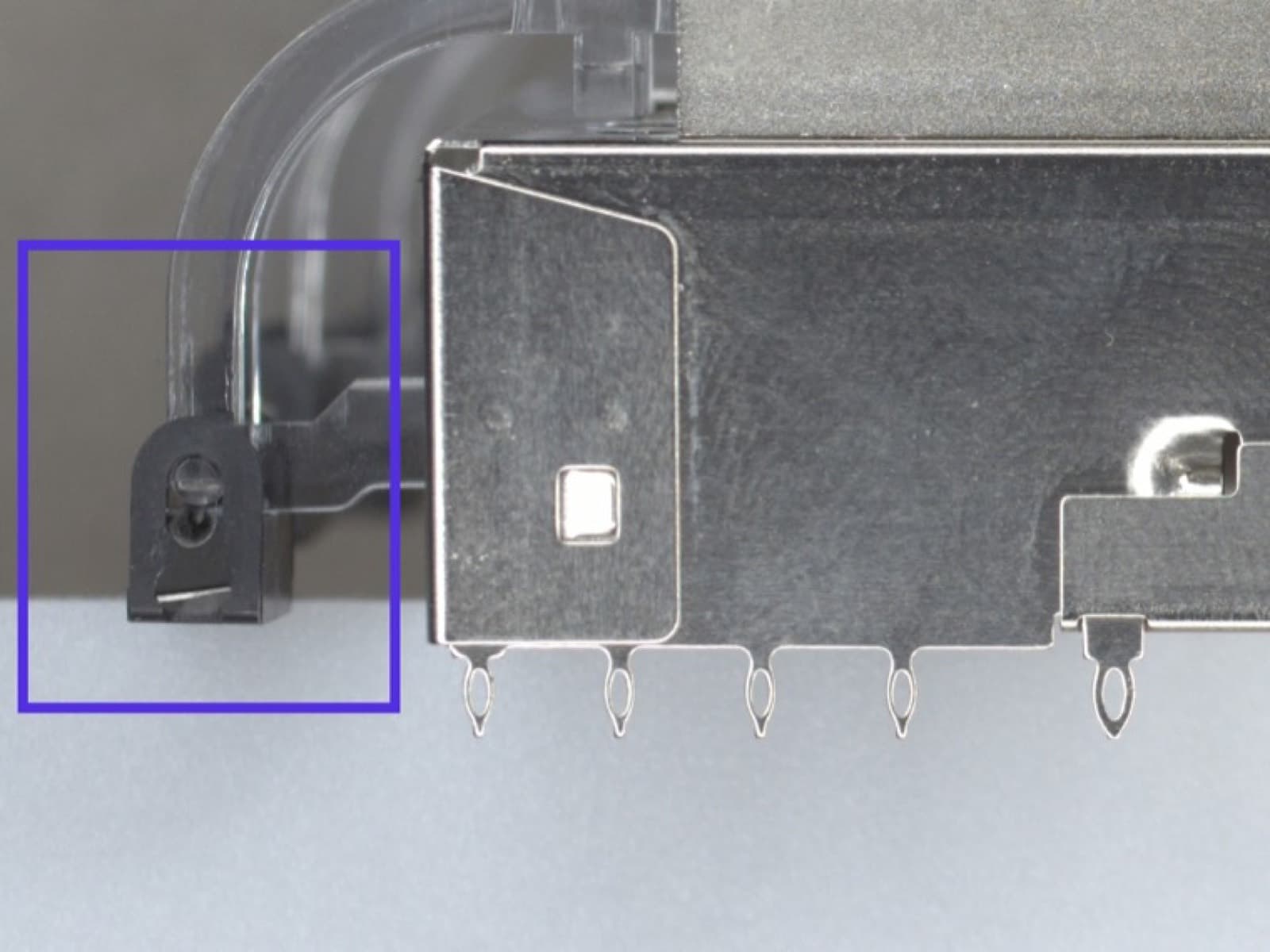
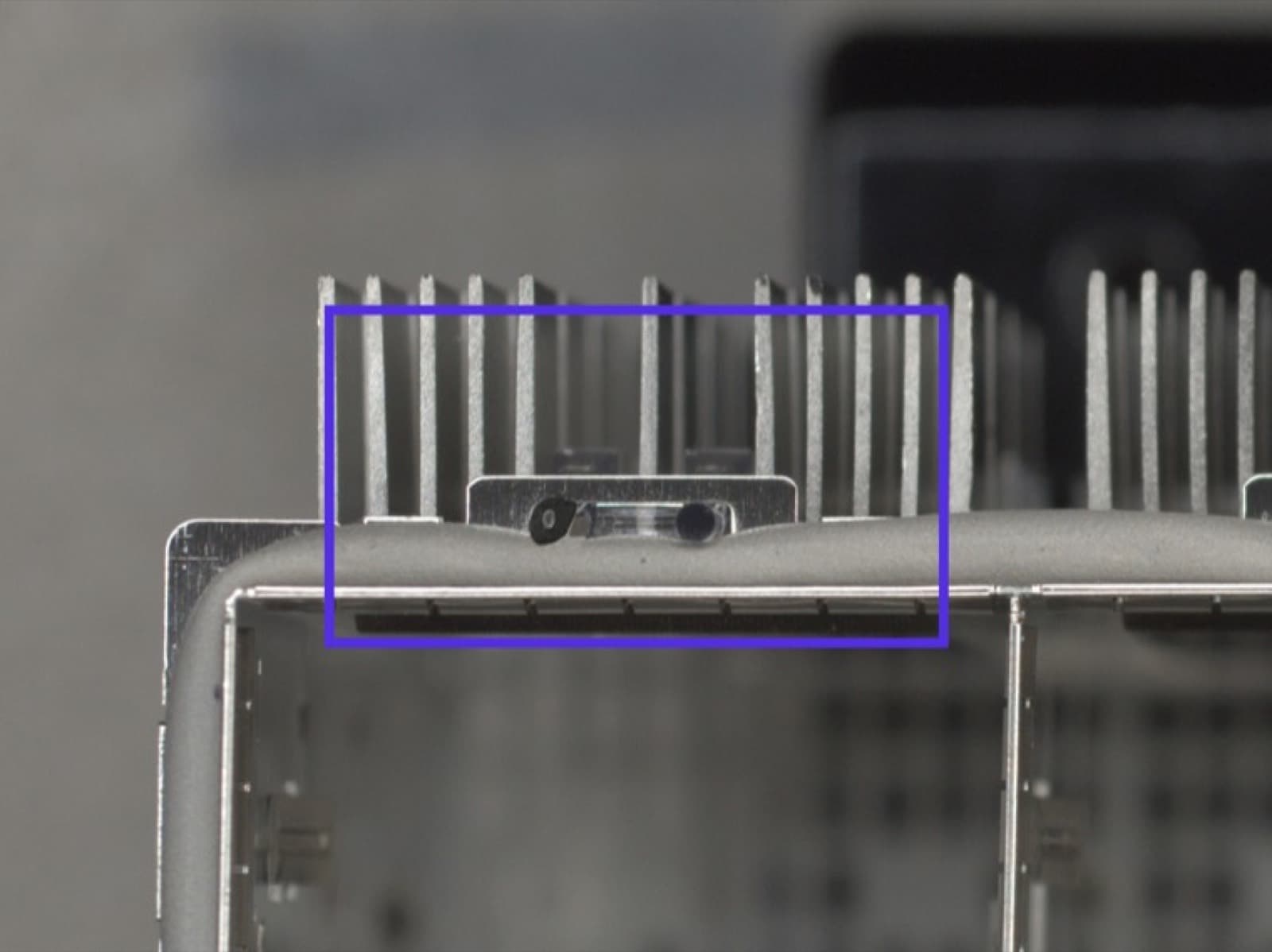
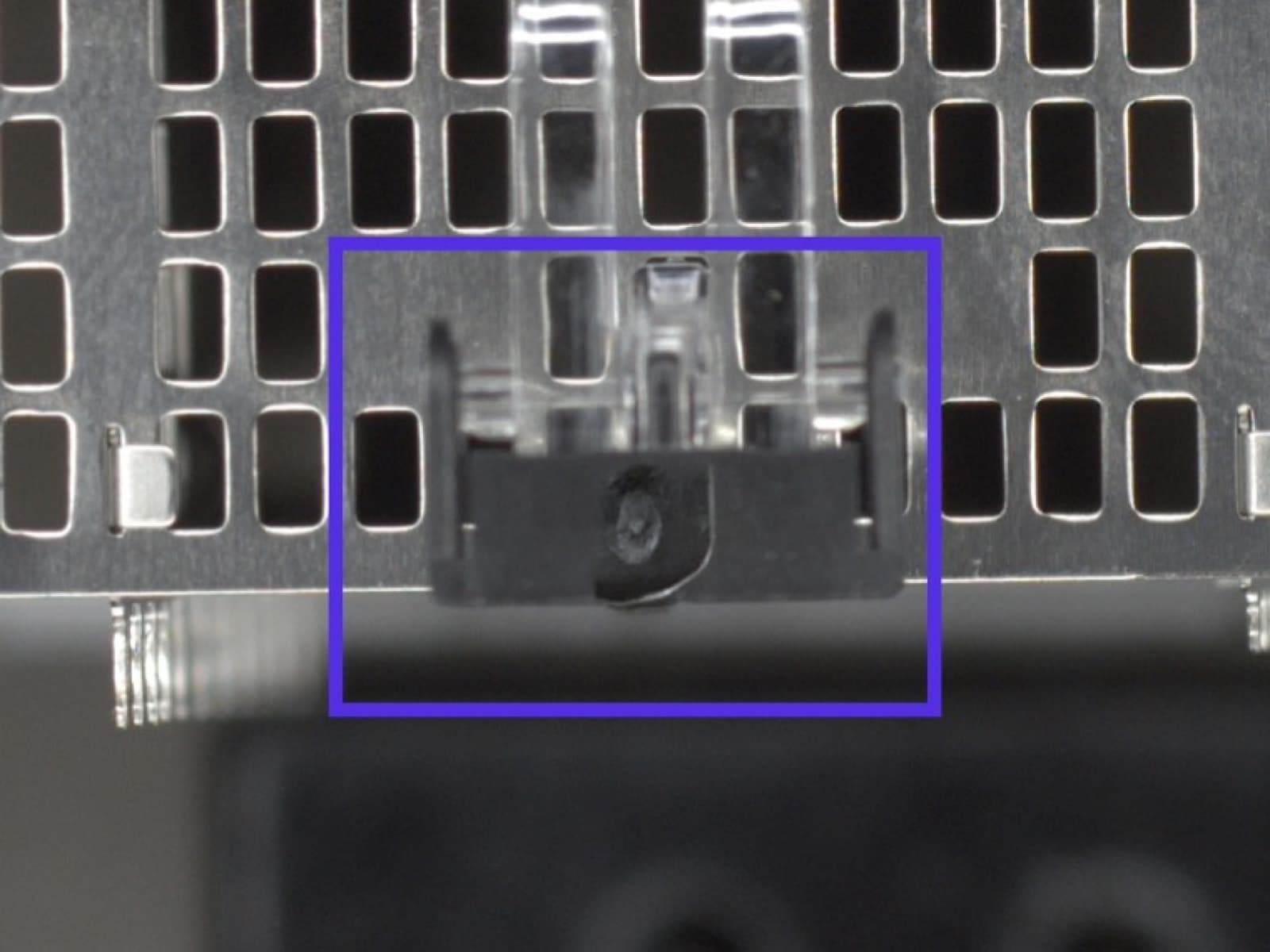
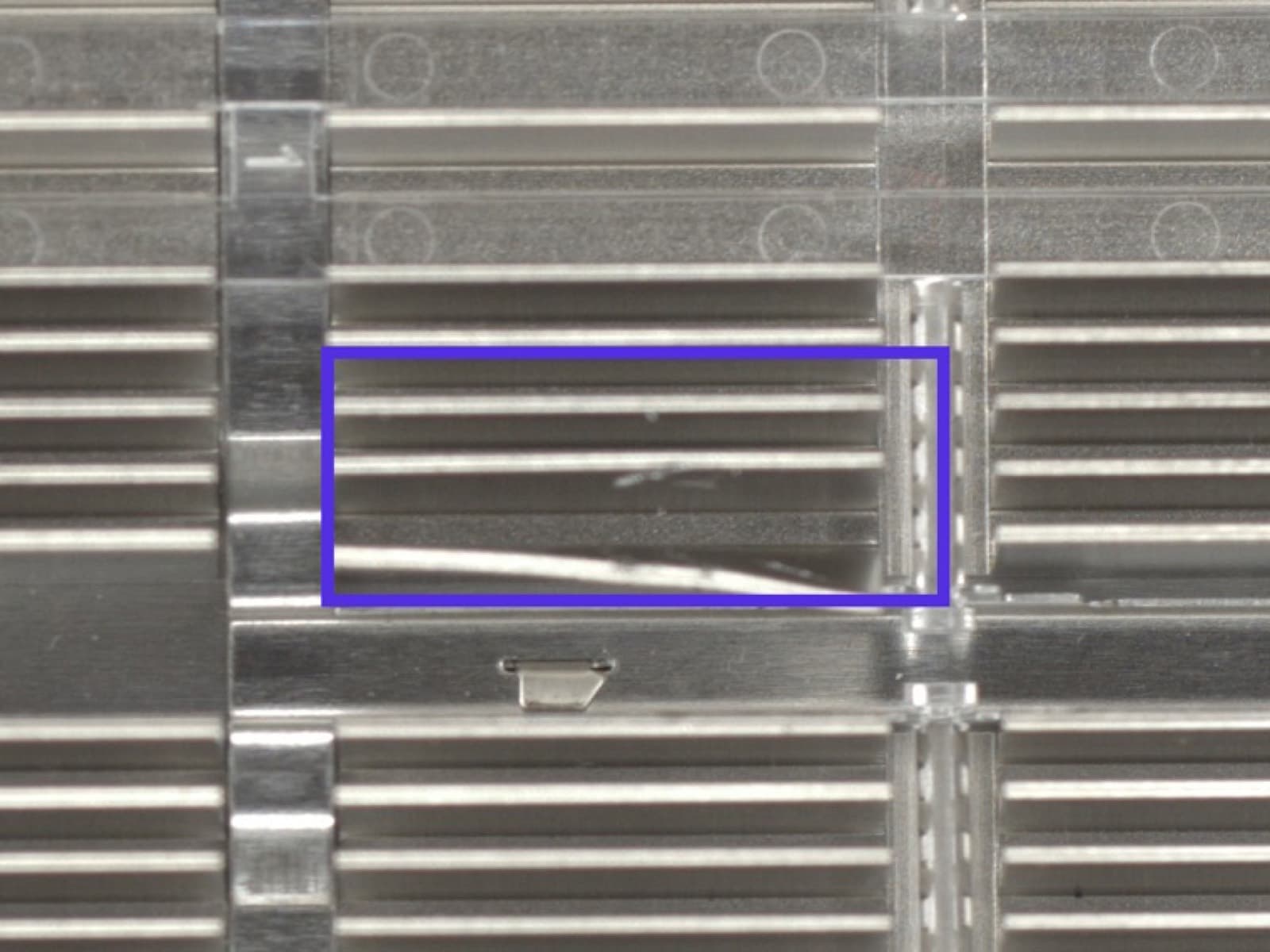
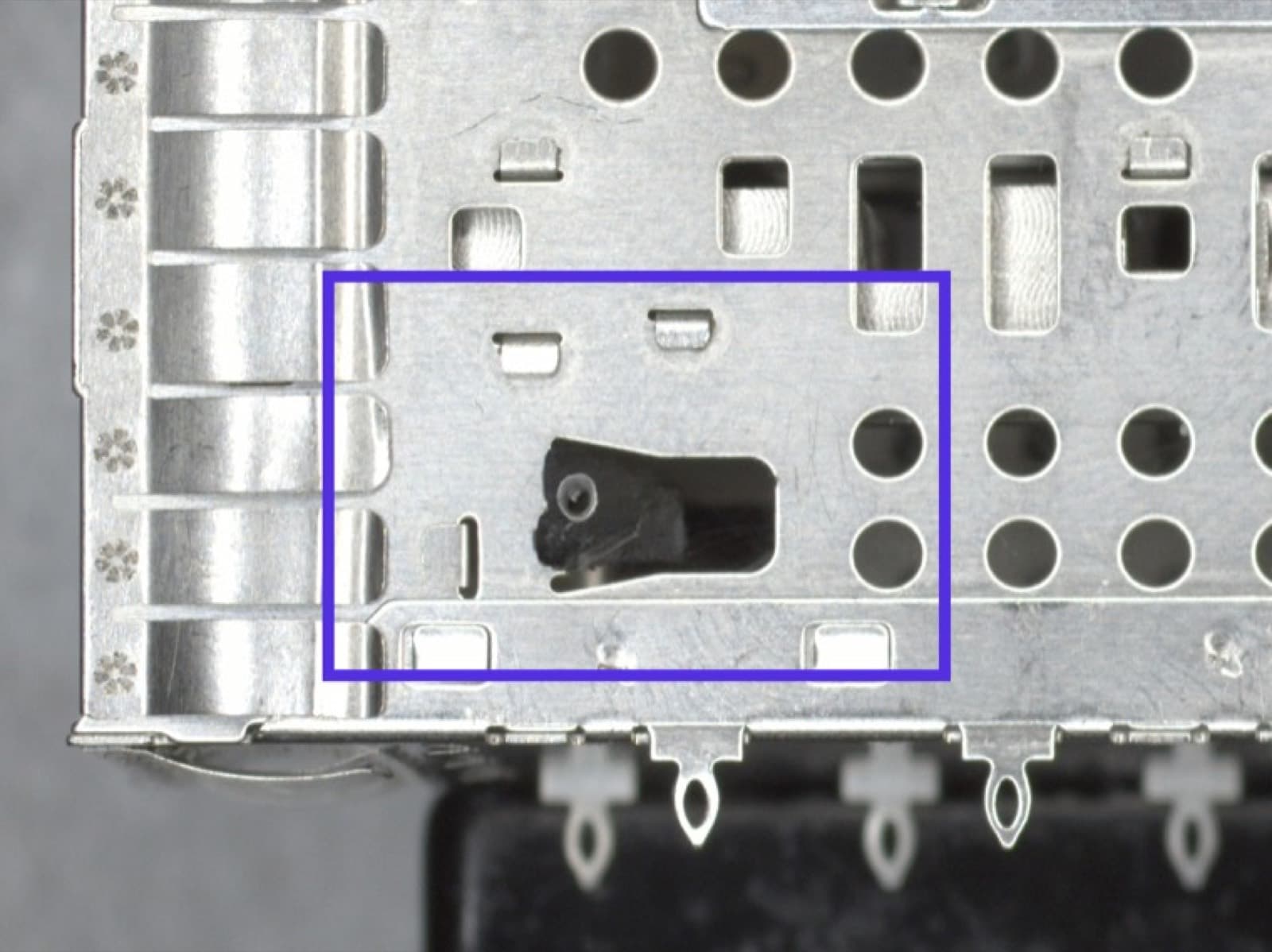
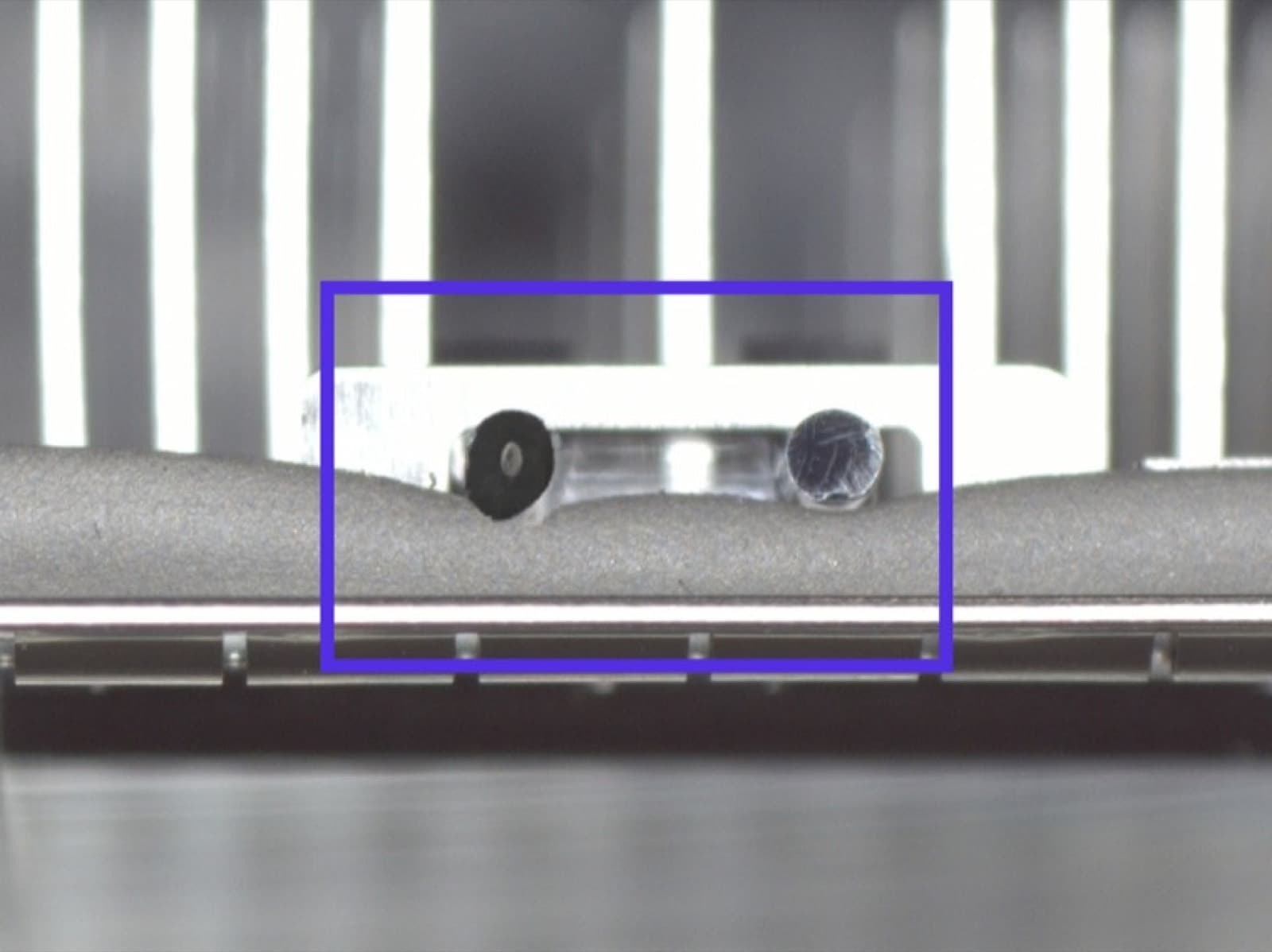
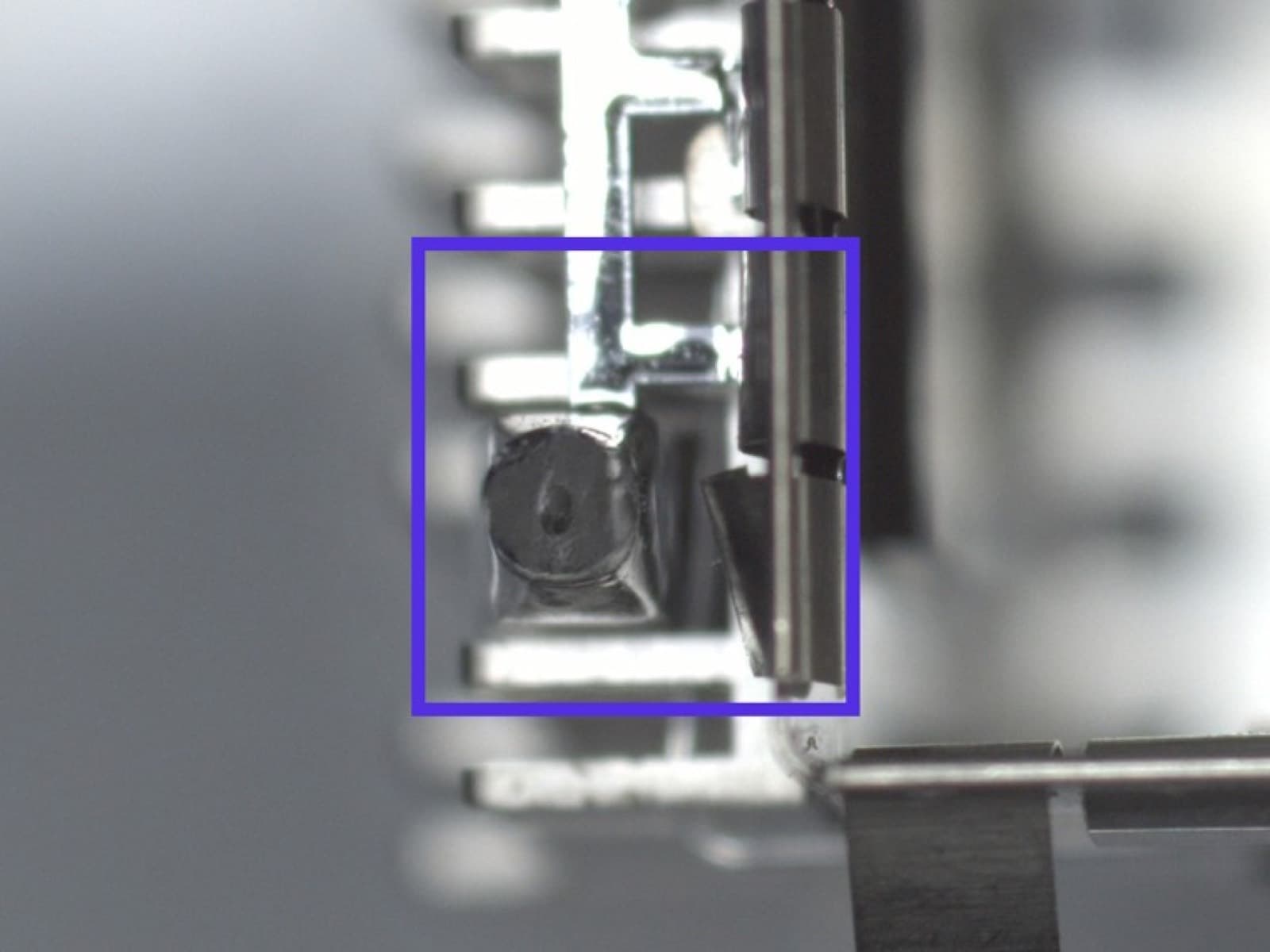
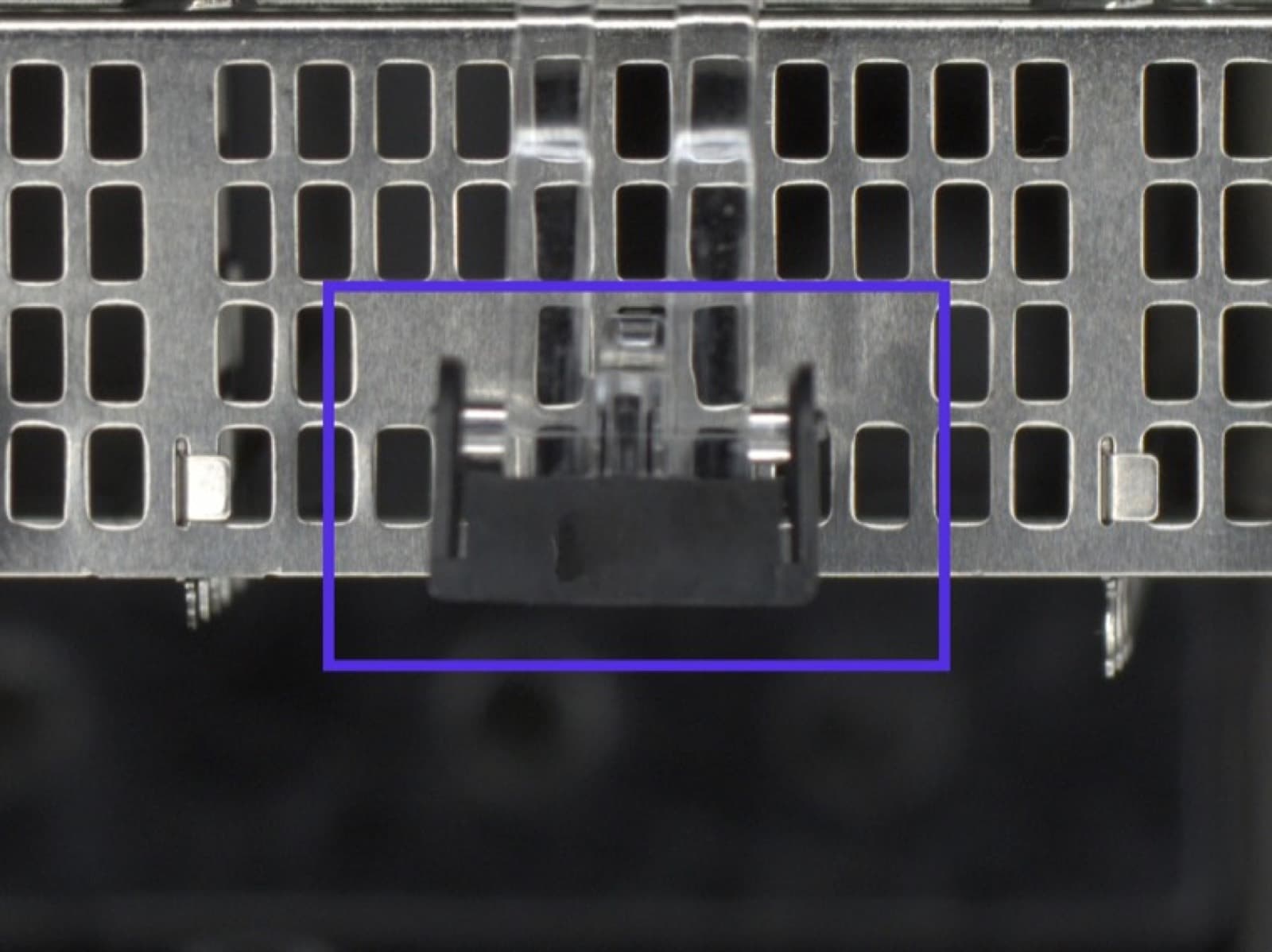
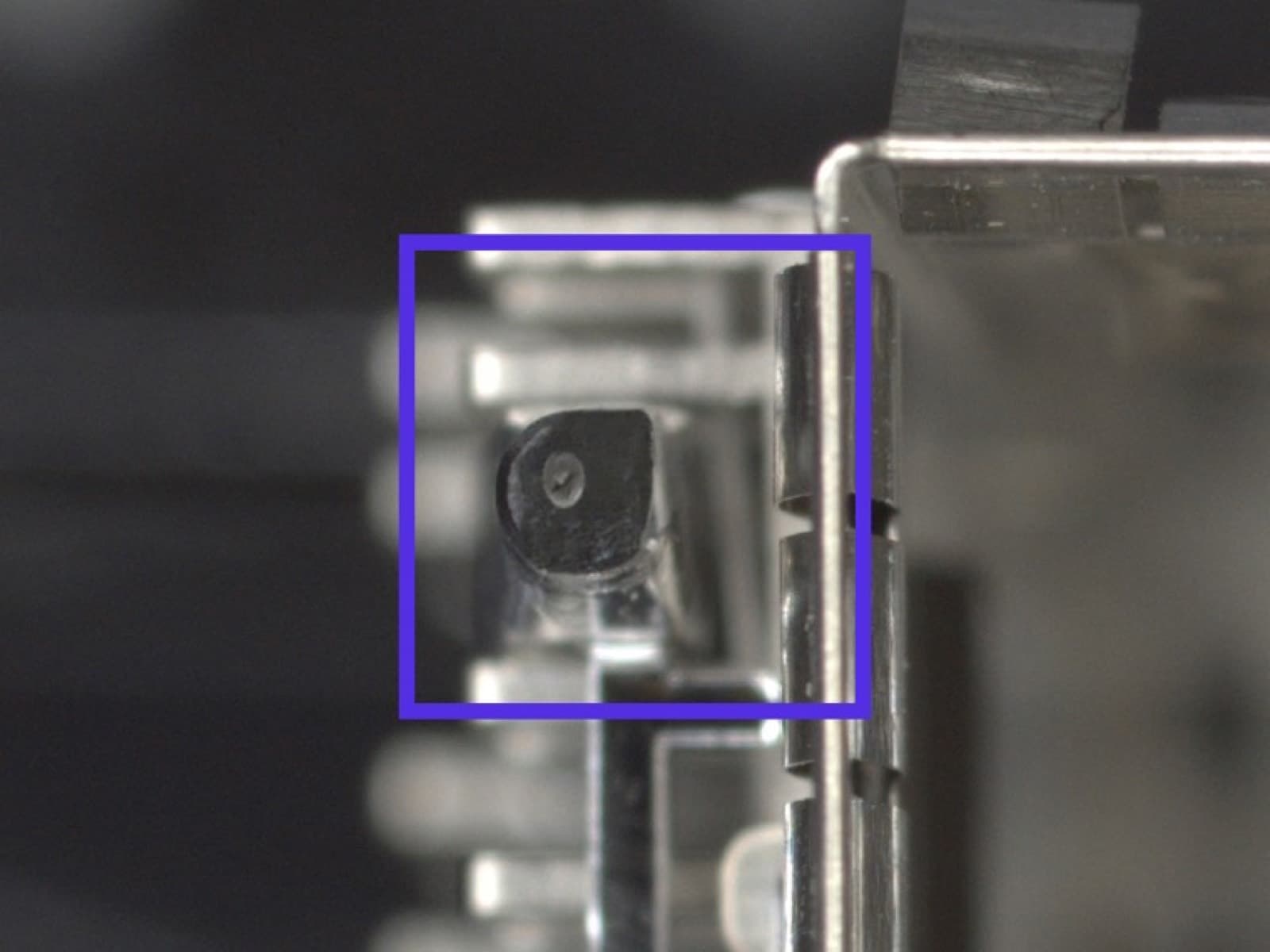
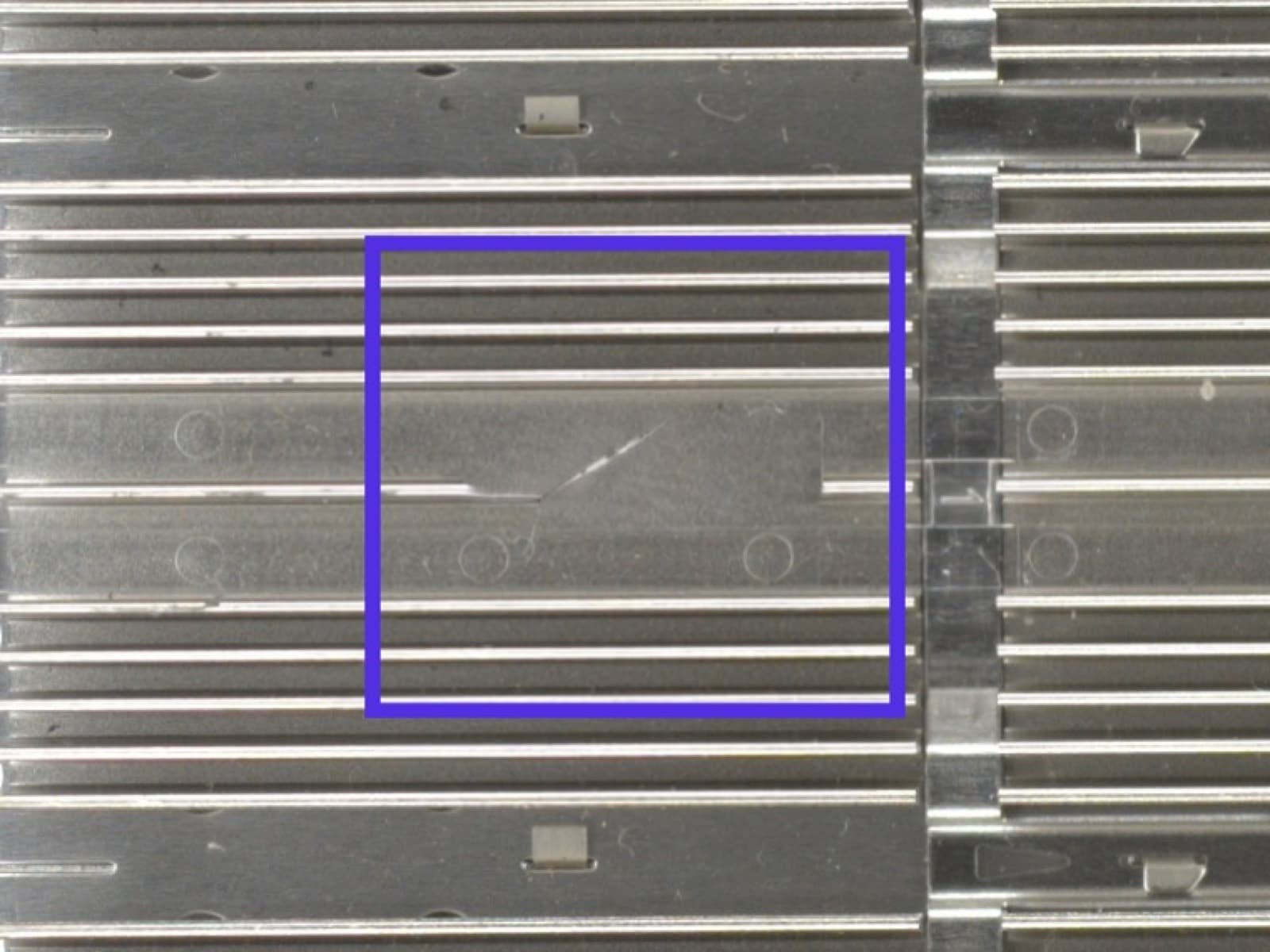
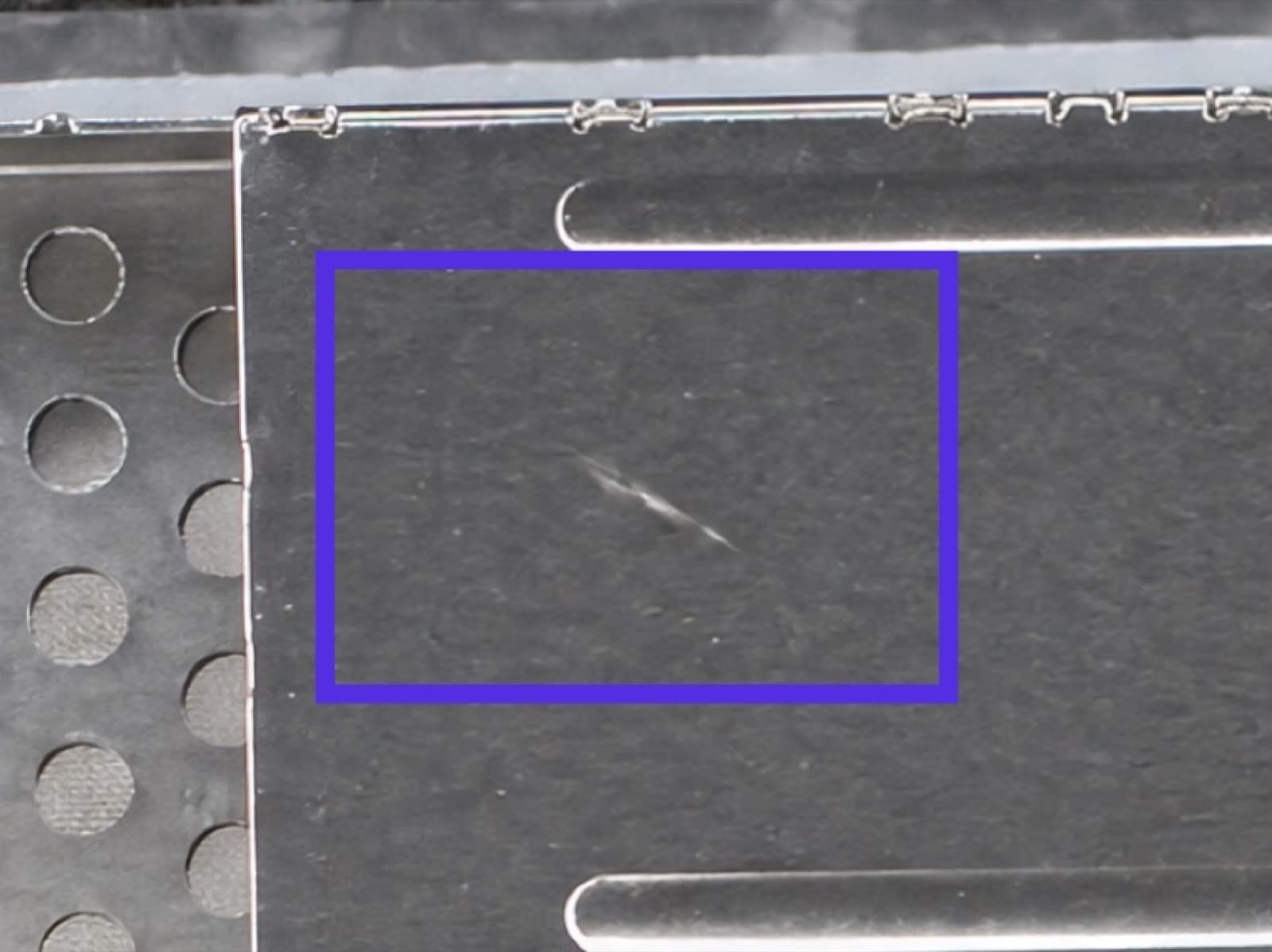
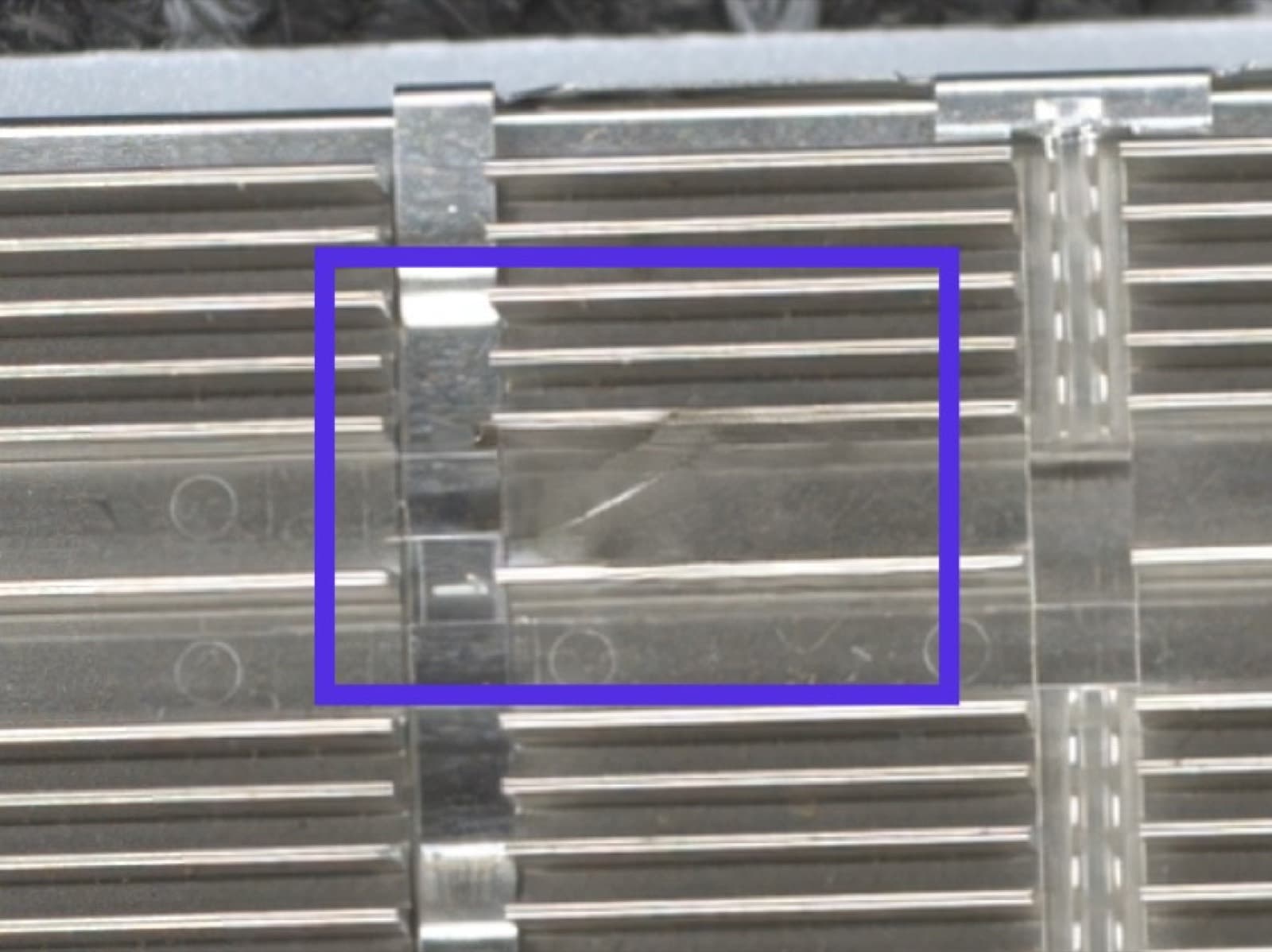
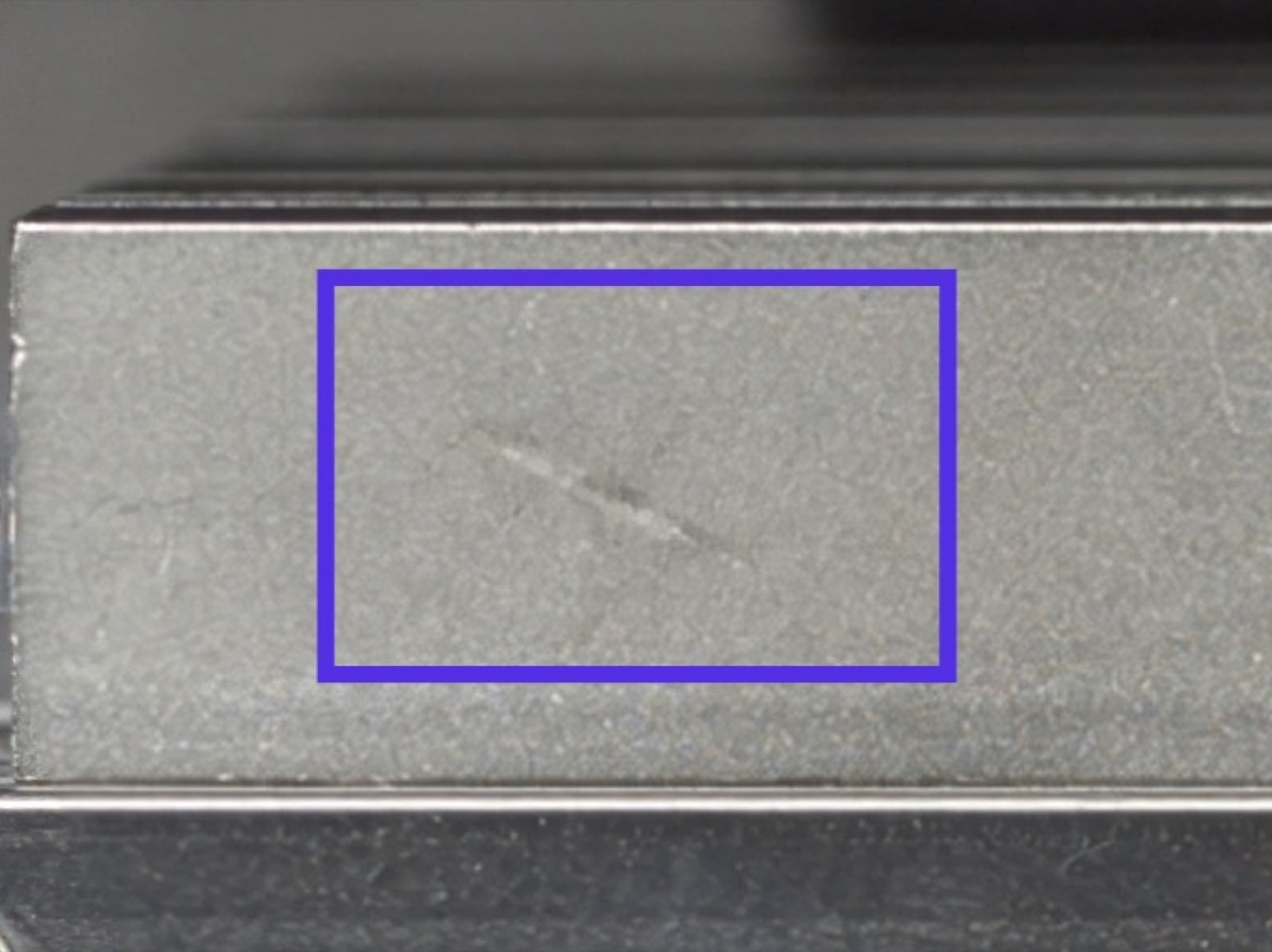
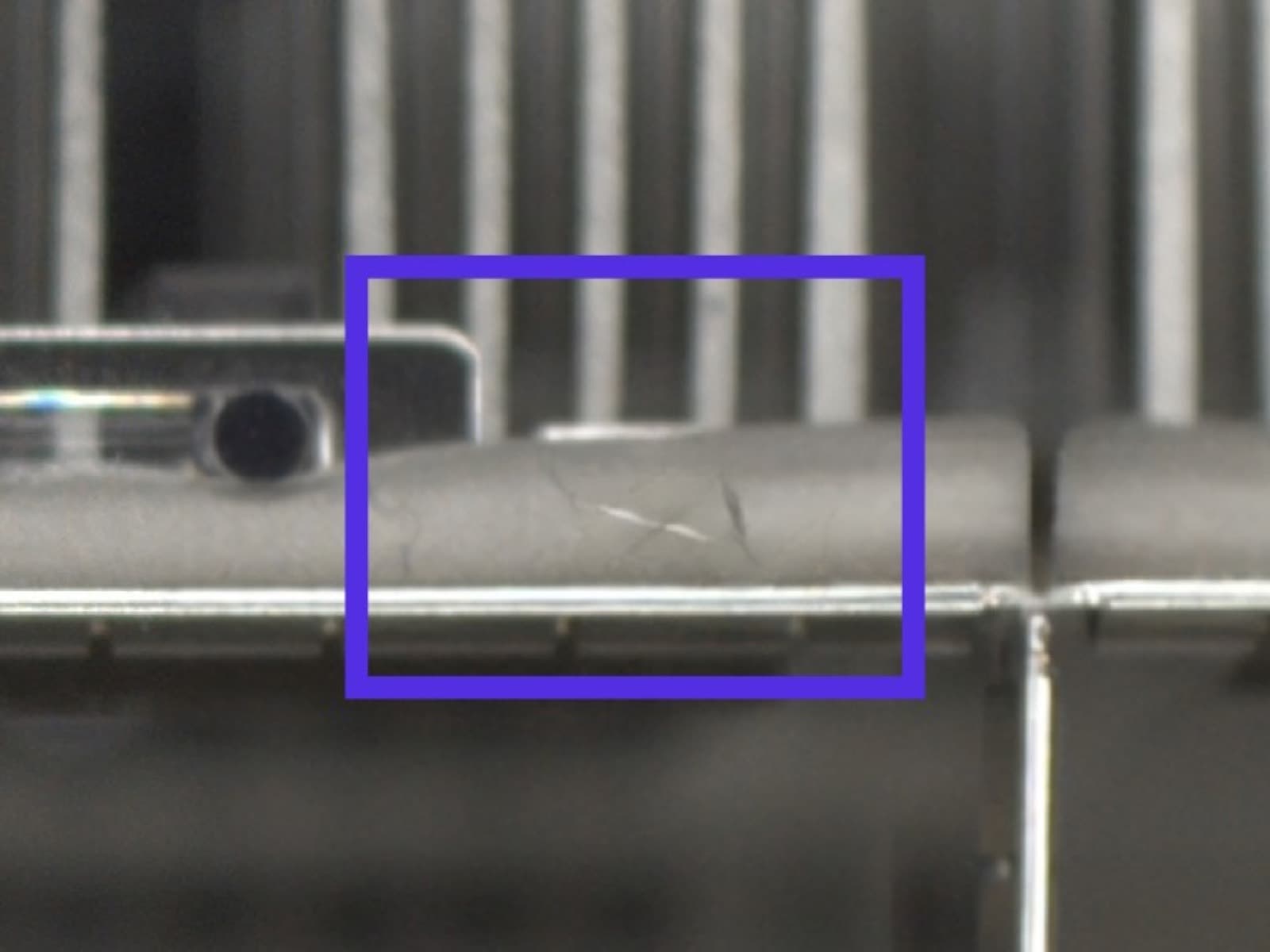
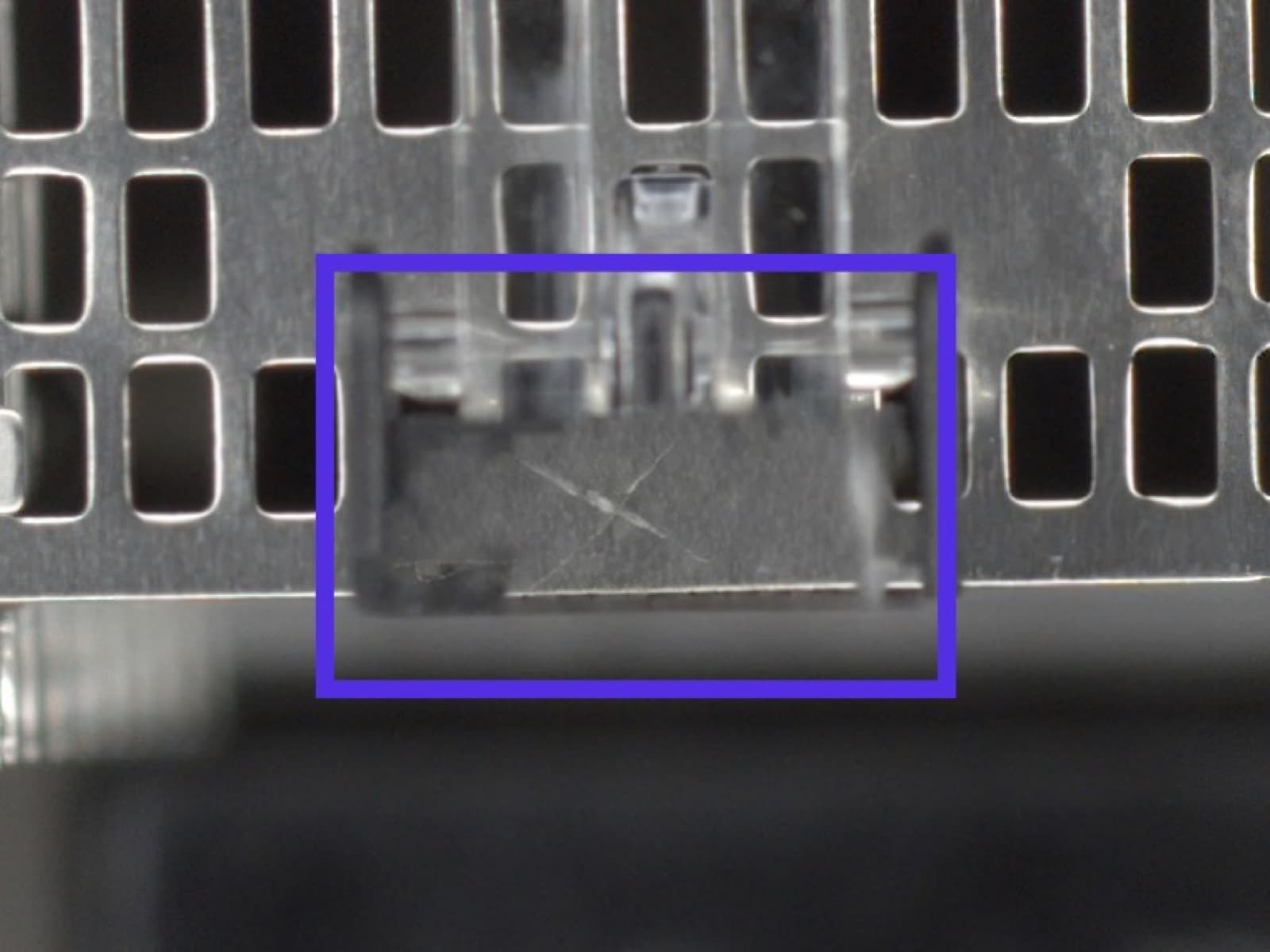
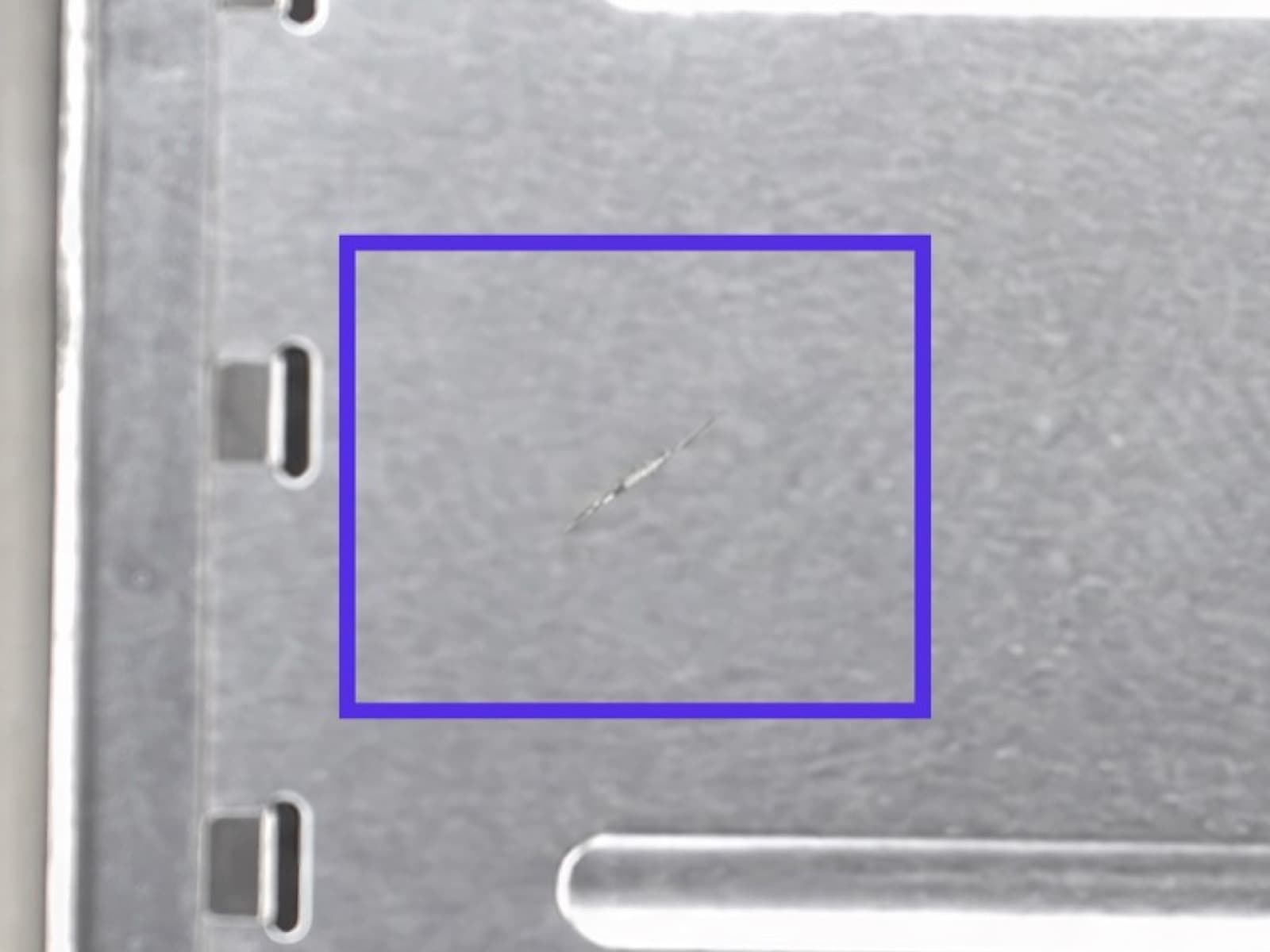
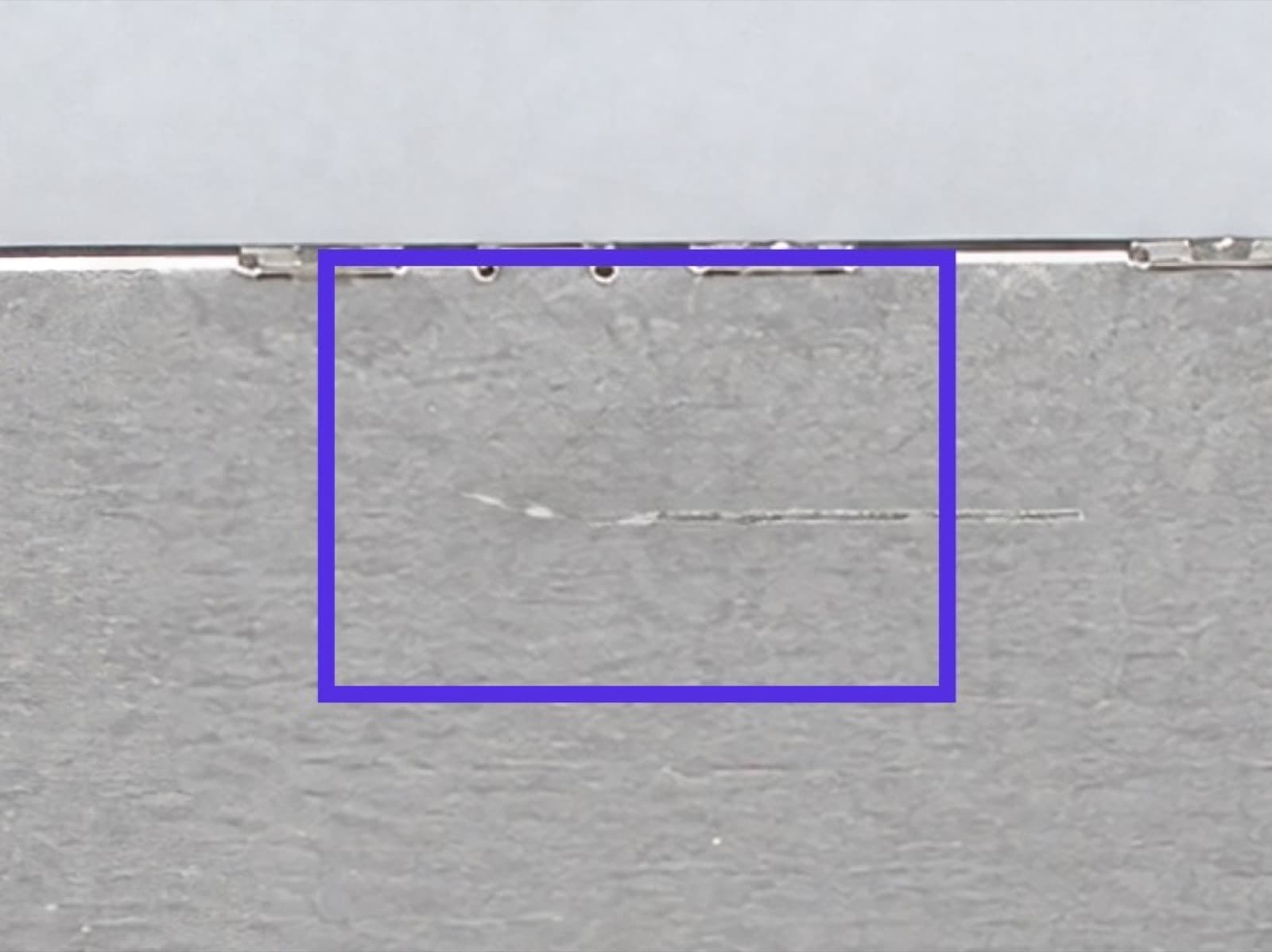
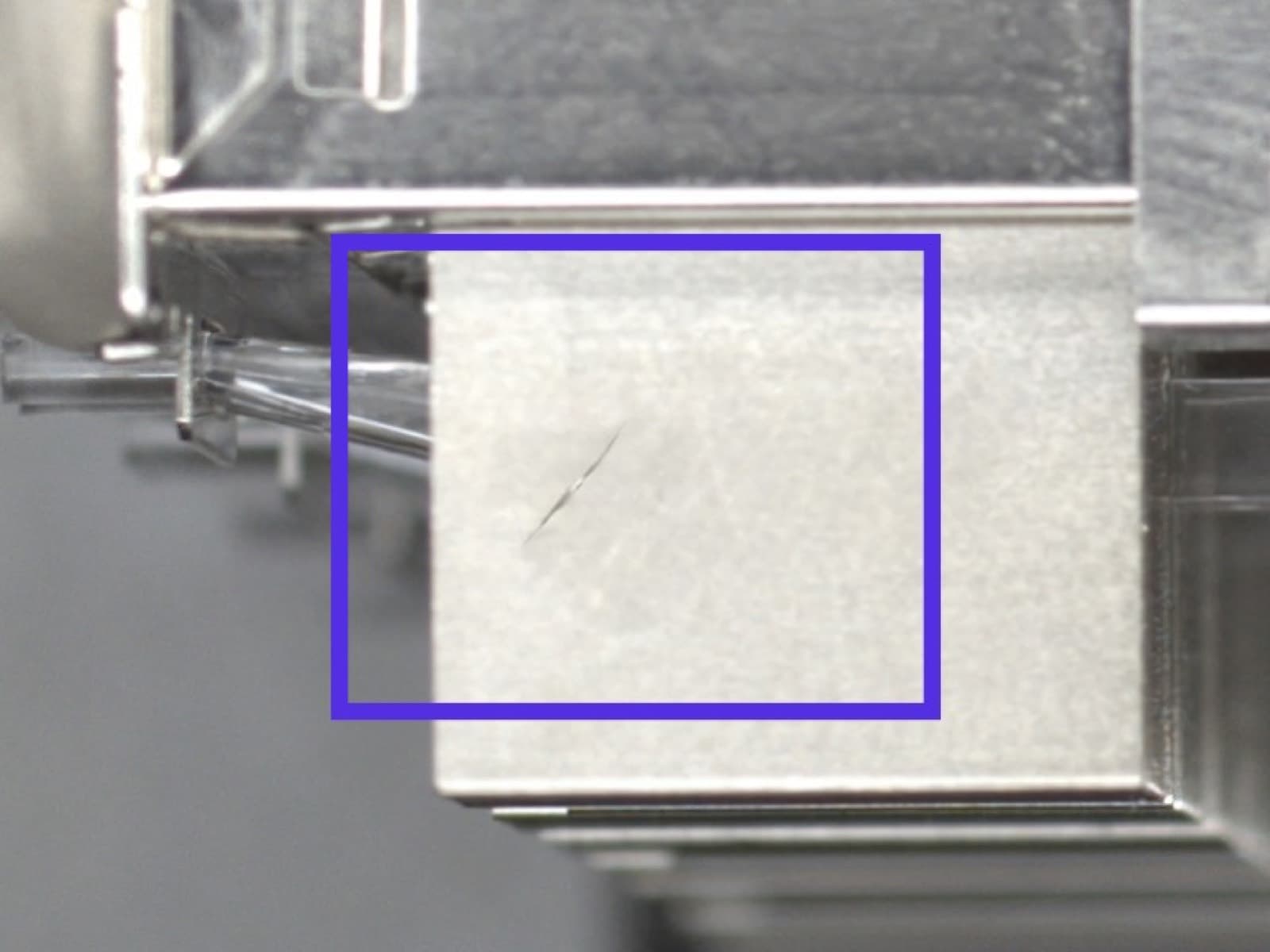
Scratch and dent variations generated across hundreds of SKUs, without damaging a single physical part.
Walkthrough
See the Defect Creator in action
Learn how manufacturers are using AI-generated synthetic defects to cut deployment time and boost model accuracy.
What the walkthrough covers
- Upload. Load a clean reference part
- Mark. Paint the defect region
- Prompt. Describe type and severity
- Generate. A photorealistic synthetic defect
No real defective parts, no manual labeling. A clean reference goes in, training-ready defects come out.
Workflow
Five steps. One pipeline.
Describe what you need. The agentic engine handles the upload, the mark-up, the prompt, and the render, no manual compositing.
Upload
Drop in a clean reference part
Mark
Select the defect area
Prompt
Describe the type and severity
Generate
The engine synthesizes it
Export
Straight into your training set
Defect taxonomy
One clean part. Every way it fails.
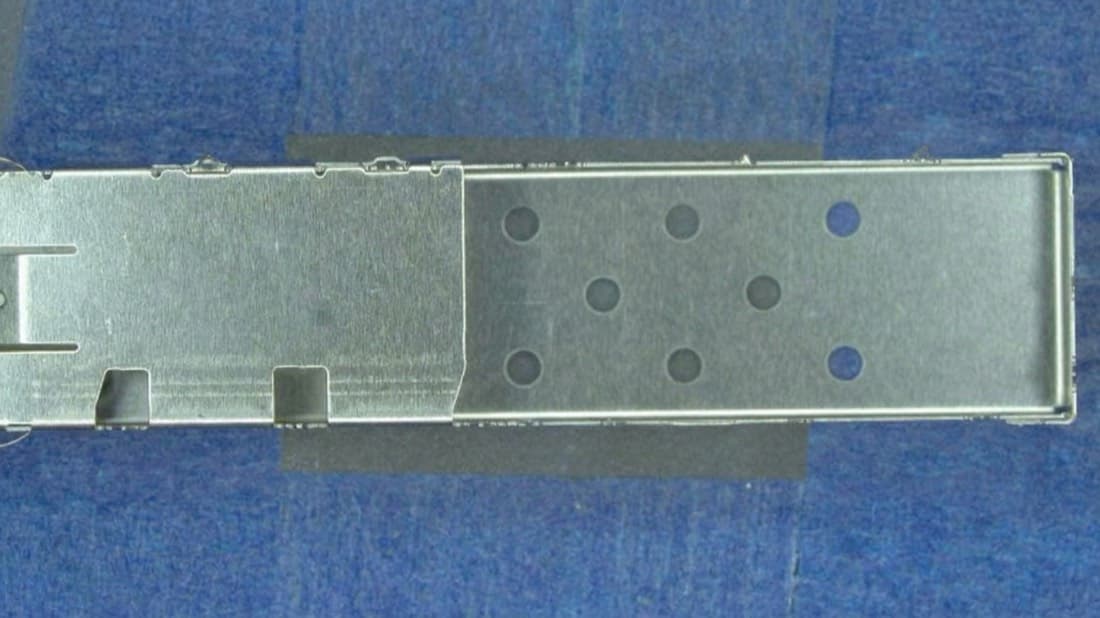
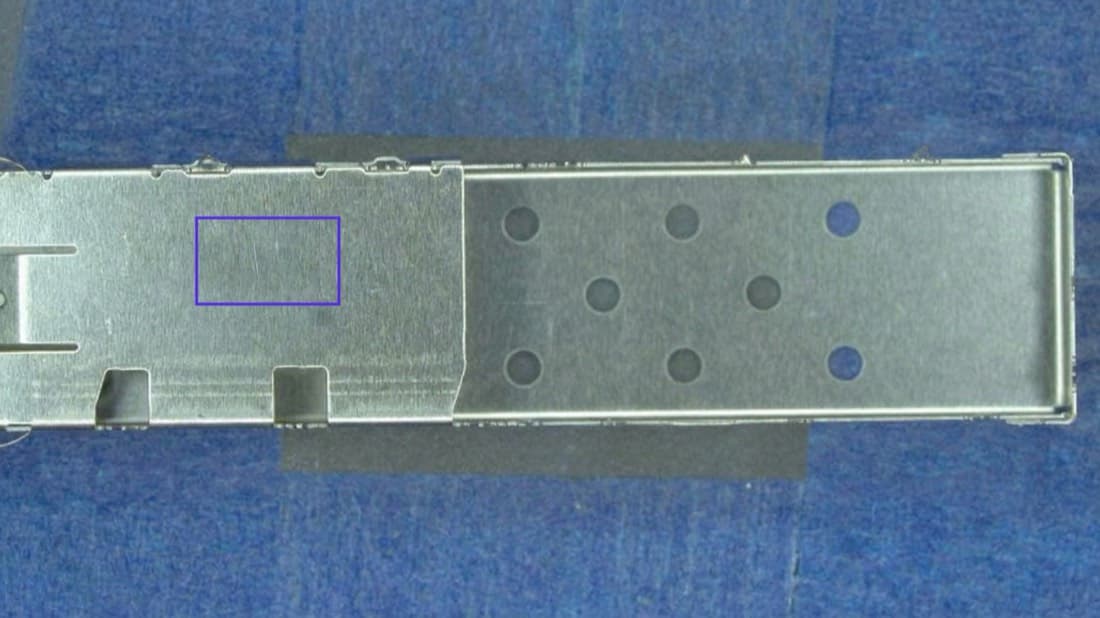
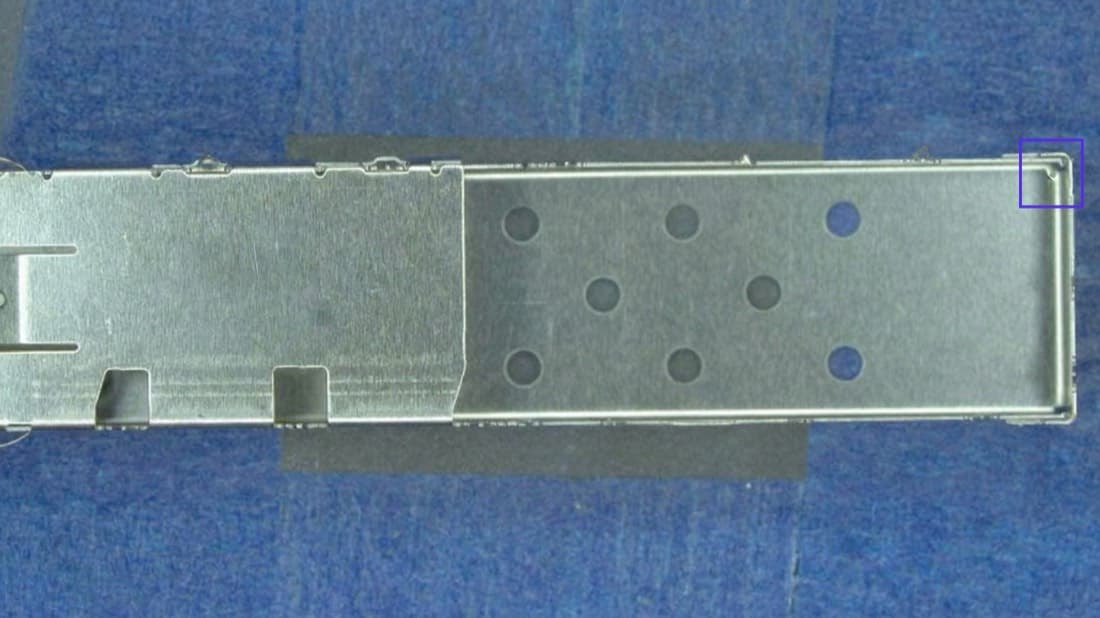
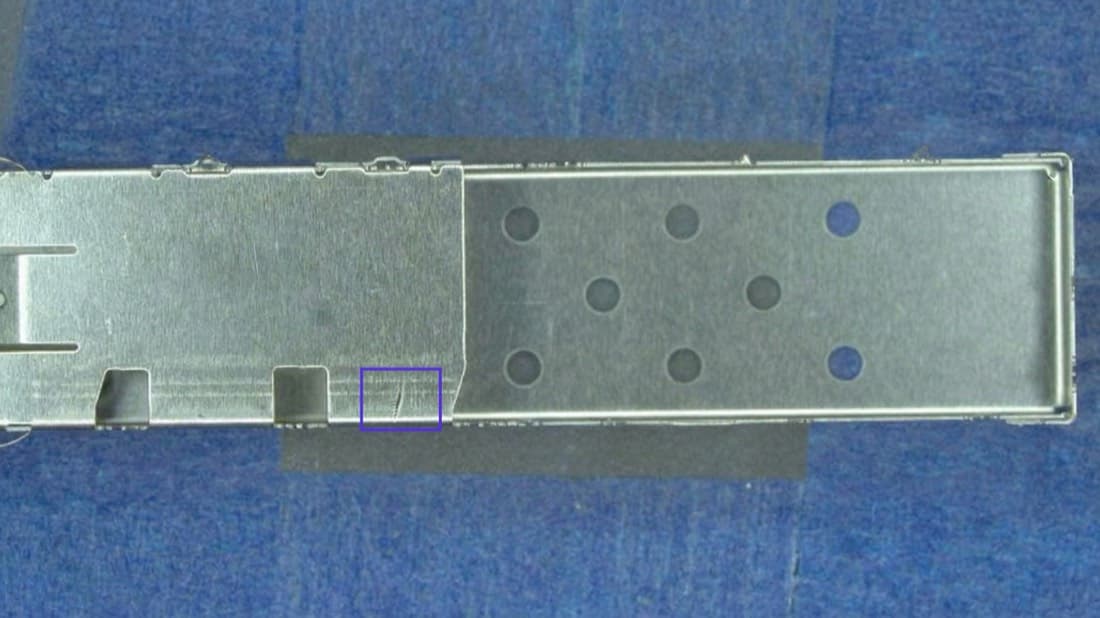
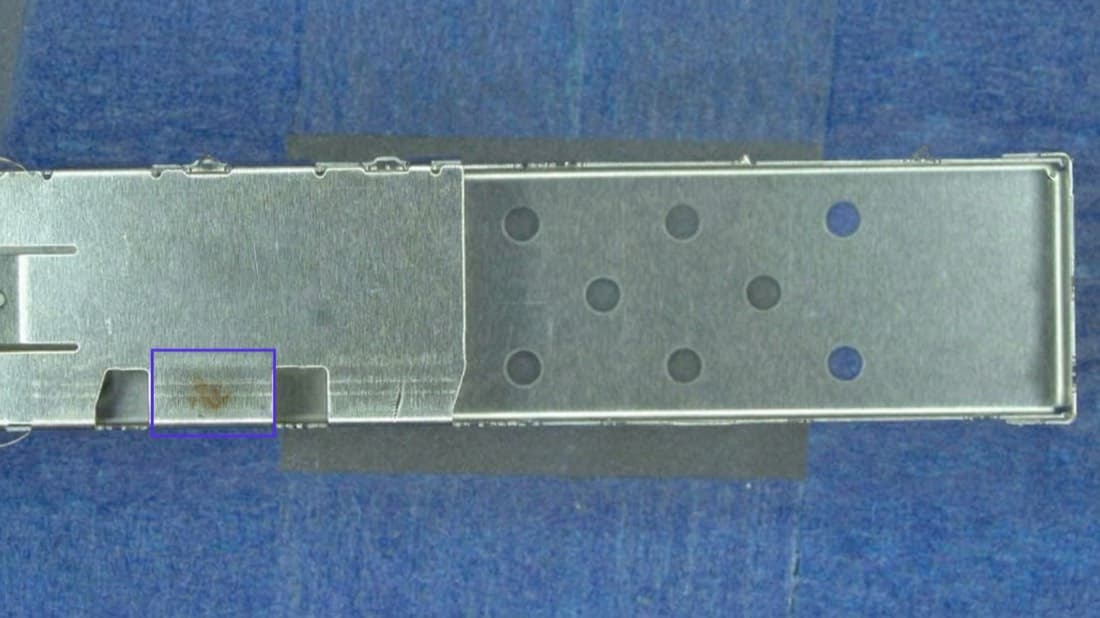
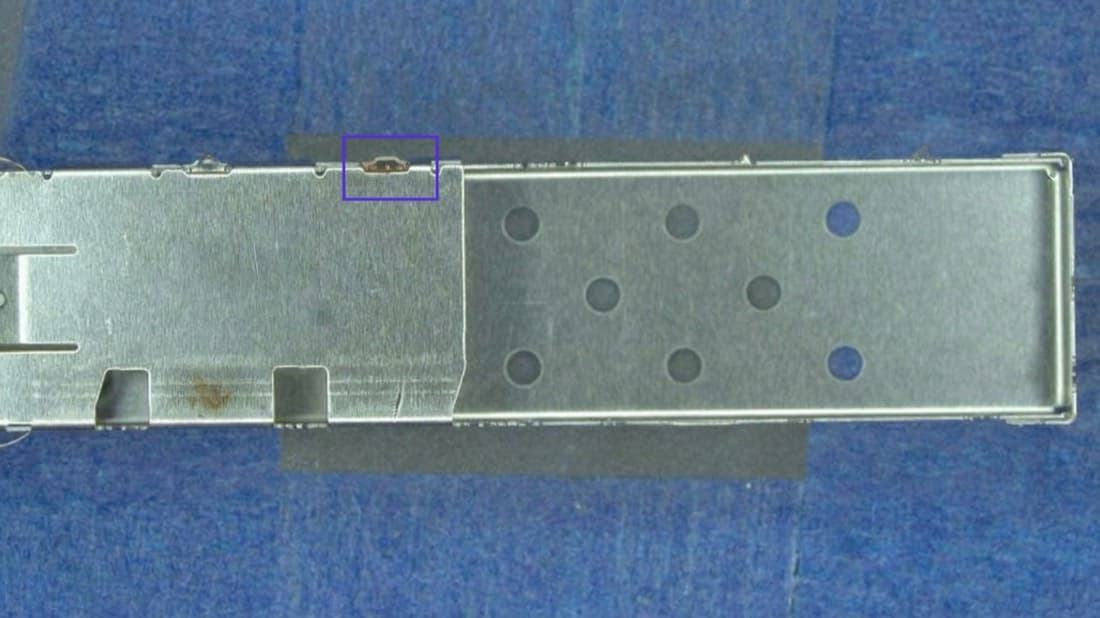
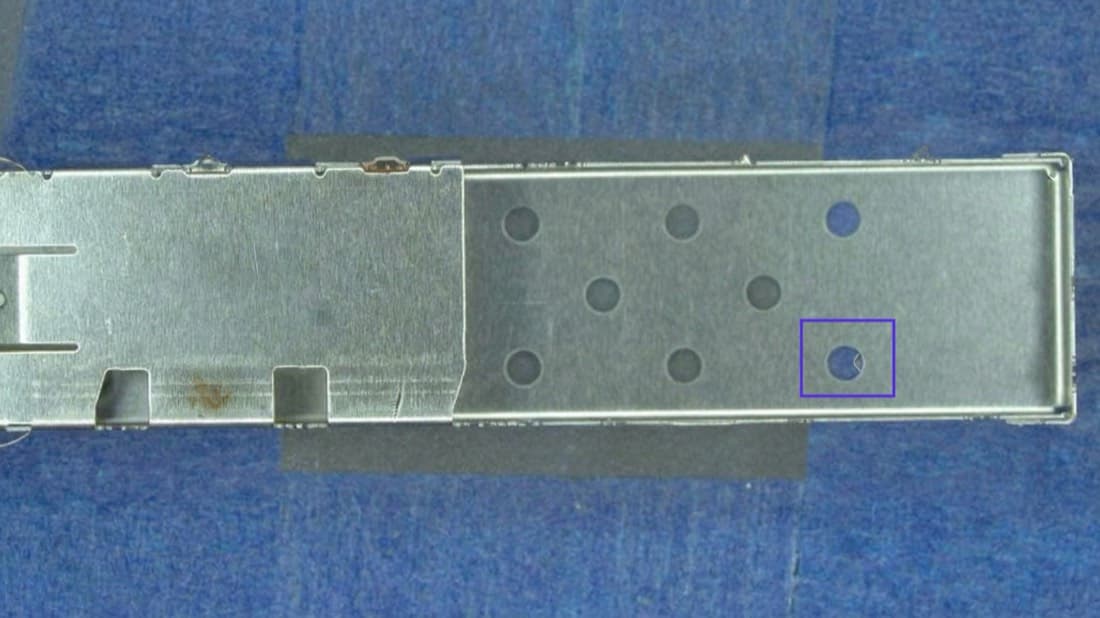
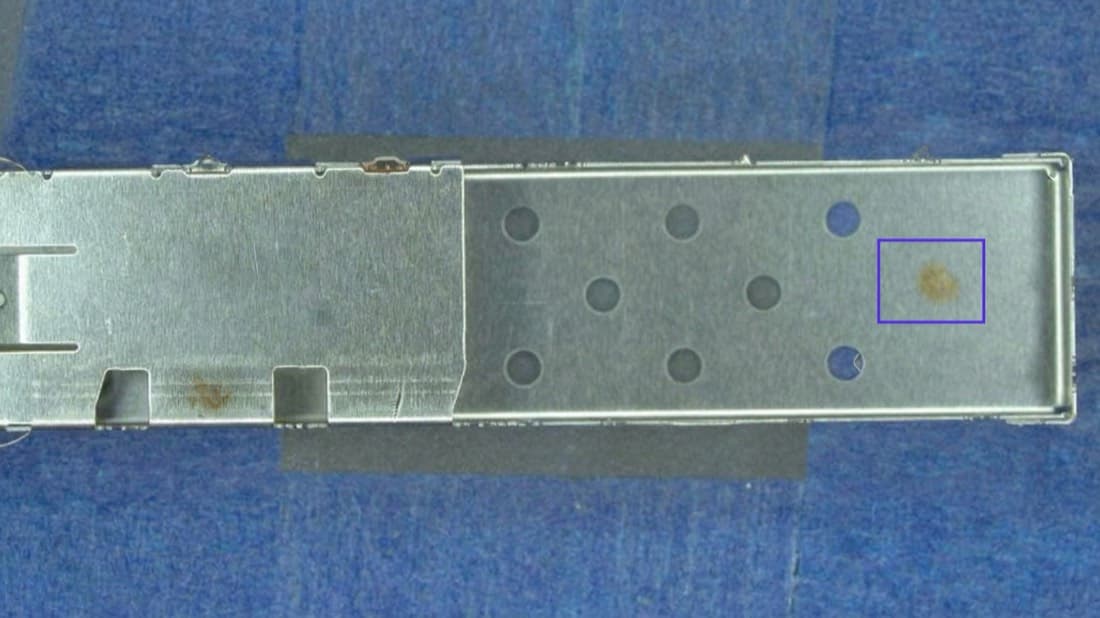
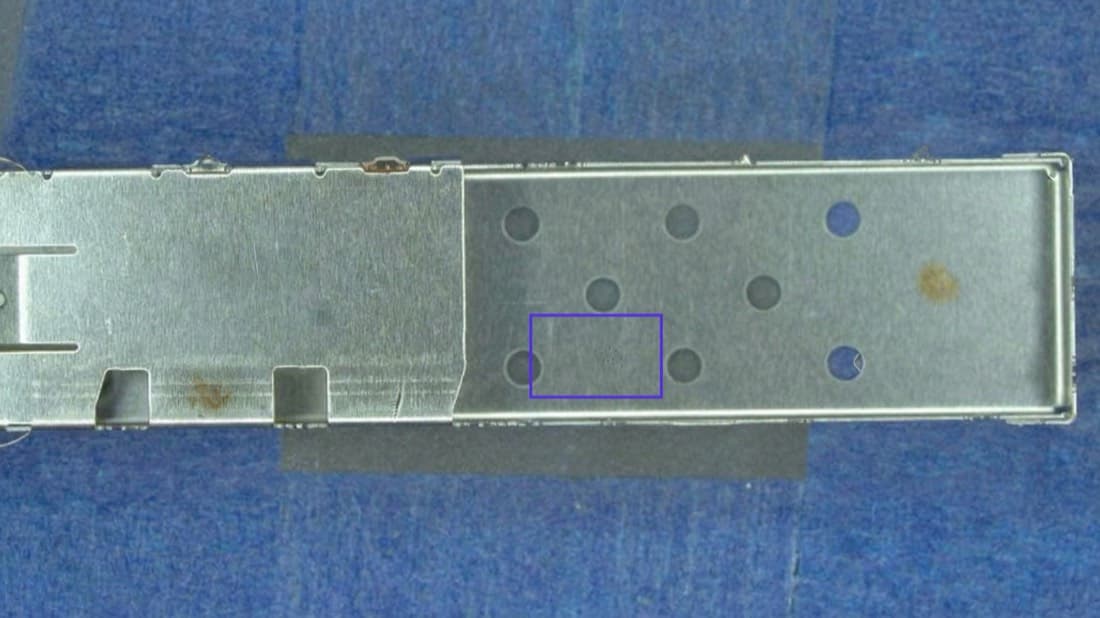
Nine states of the same connector: one photographed good, eight generated. A defect vocabulary no production line could stage on demand.
Field Results
A full run, screen by screen.
Complete studio sessions on production hardware: bent pins on a Jetson board, micro-scratches, and cross-surface style transfer. Hover any frame to zoom into the detail.
Generate photorealistic bent pin defects on high-density PCB connectors. Using an NVIDIA Jetson Xavier as the reference, select the exact connector pin rows, describe the bend angle and direction, and let the AI synthesize realistic pin damage - giving your model the rare defect examples it needs without touching a single real board.
4 frames · scroll →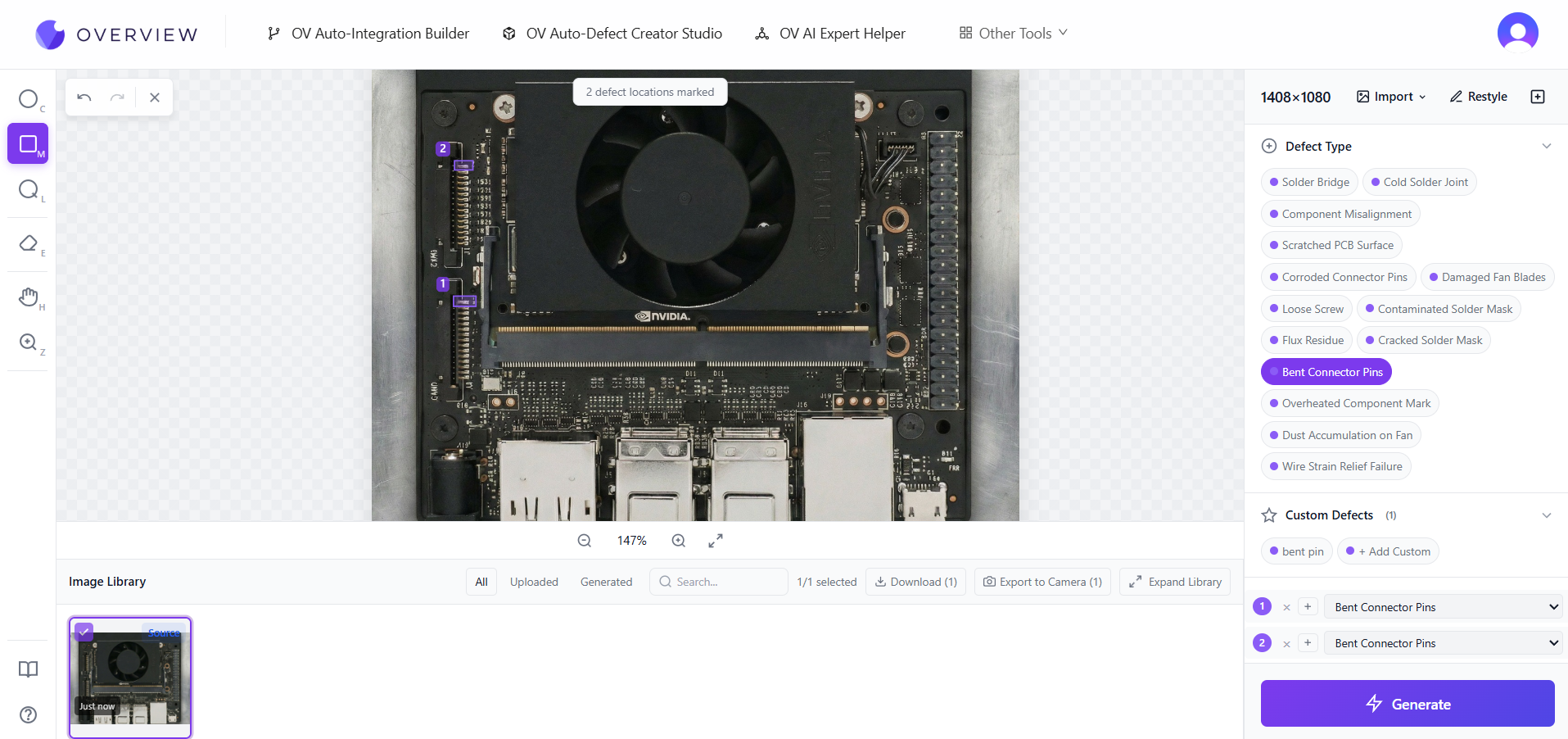
Step 1 - Upload & Configure
The main Defect Creator interface. The Jetson Xavier board is loaded, pin rows are highlighted, and defect type + severity settings are configured on the right panel.
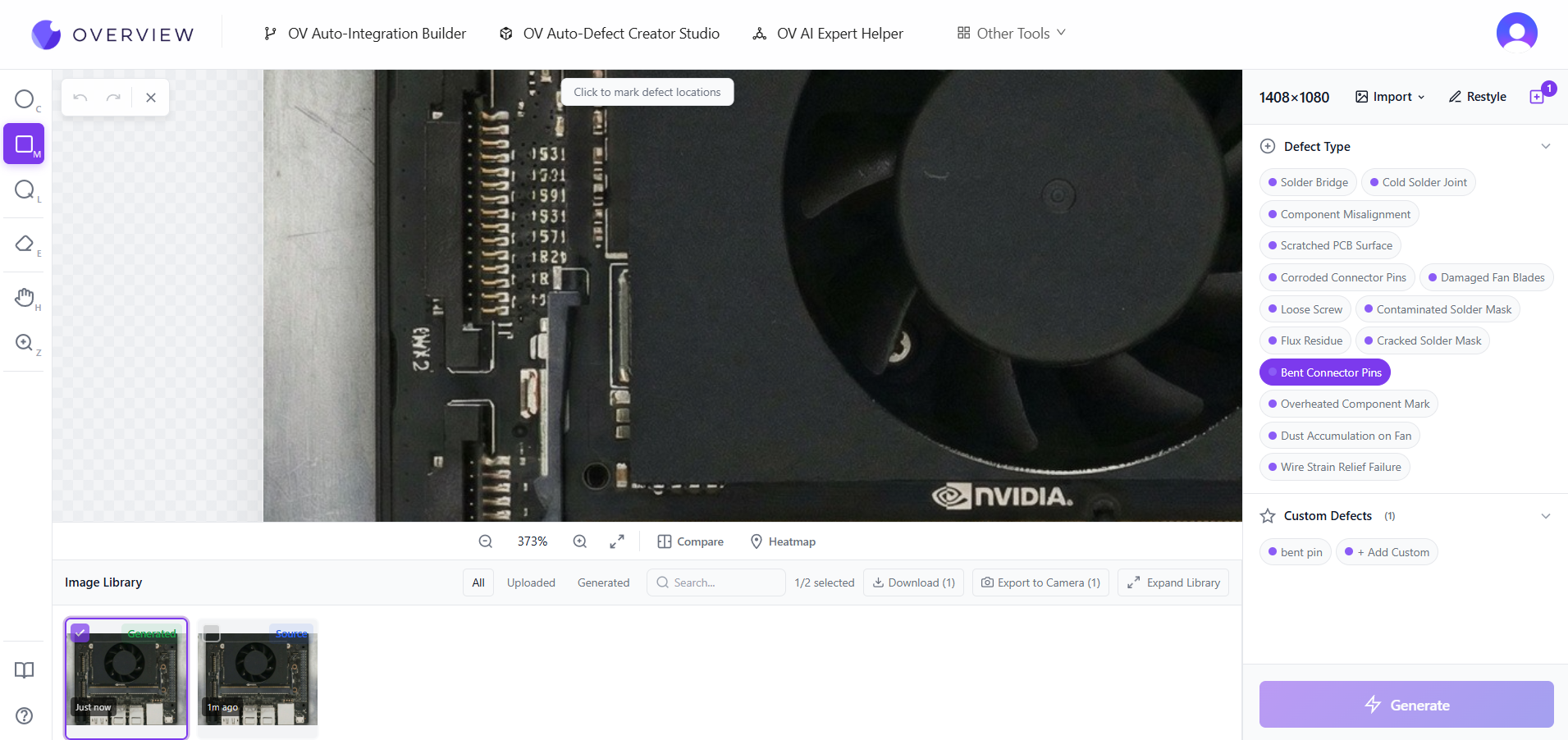
Step 2 - AI Output
The generated result: photorealistic bent pins added to the exact selected locations. The AI replicates correct lighting, pin shadow, and metal deformation.
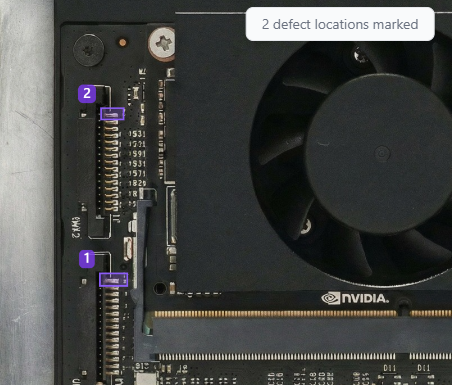
Detail - Selection Mask
Zoomed view of the painted selection mask over the pin header. Precise brushwork ensures defects only appear on targeted connector pins.
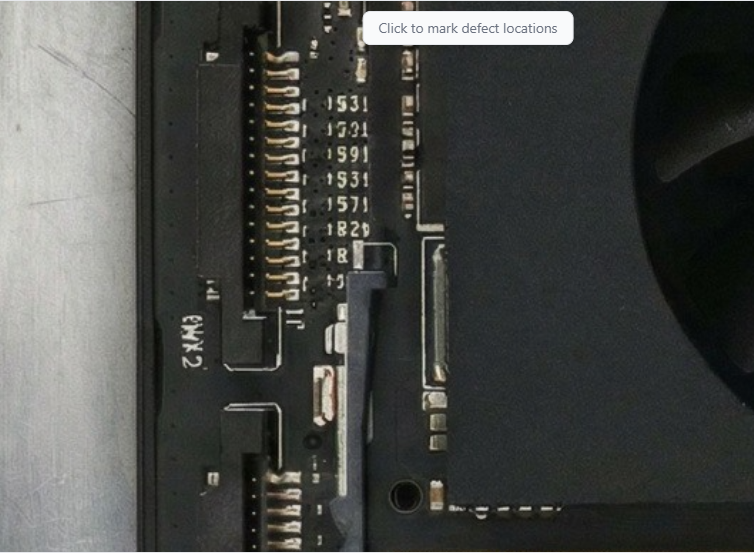
Detail - Final Defects
Zoomed result showing synthesized pin bends. Notice the physically plausible deformation angle and metallic sheen preserved from the original image.
Capabilities
The tools that do the work.
What it takes to turn one clean reference image into a labeled training set your inspection model can learn from.
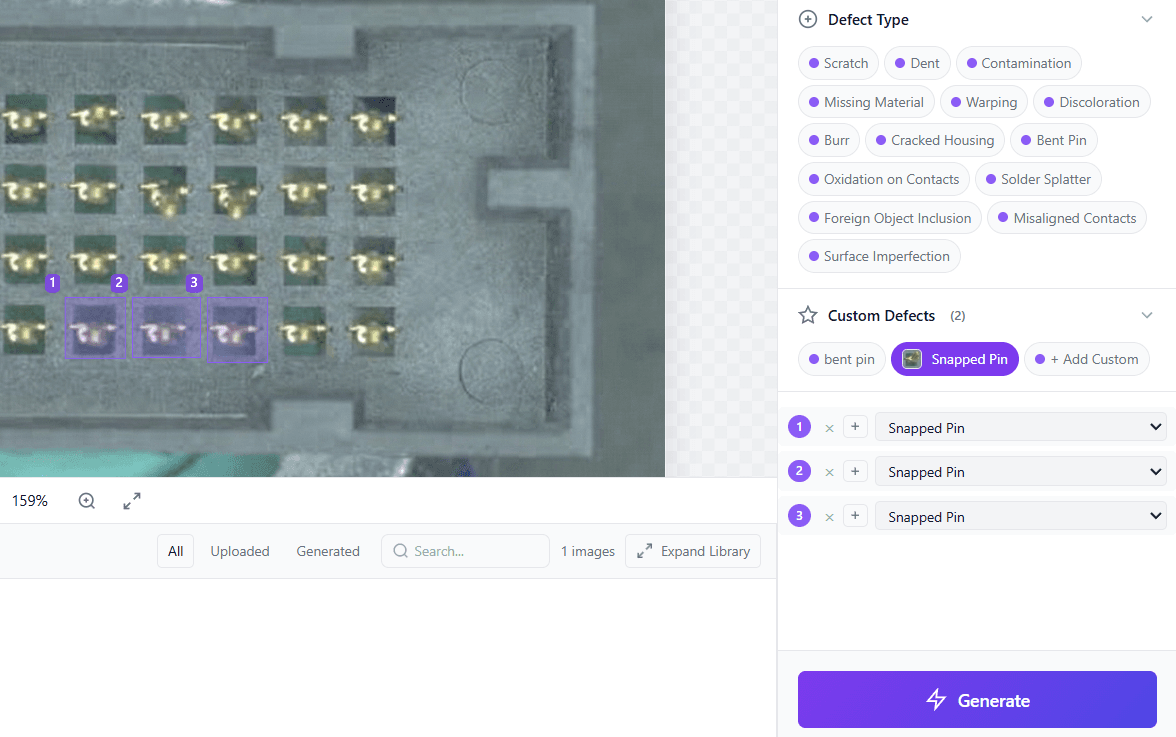
AI-powered defect suggestions
Upload a product image and the agentic engine reads surface materials, texture, and lighting, then proposes the most probable defect types for the part.
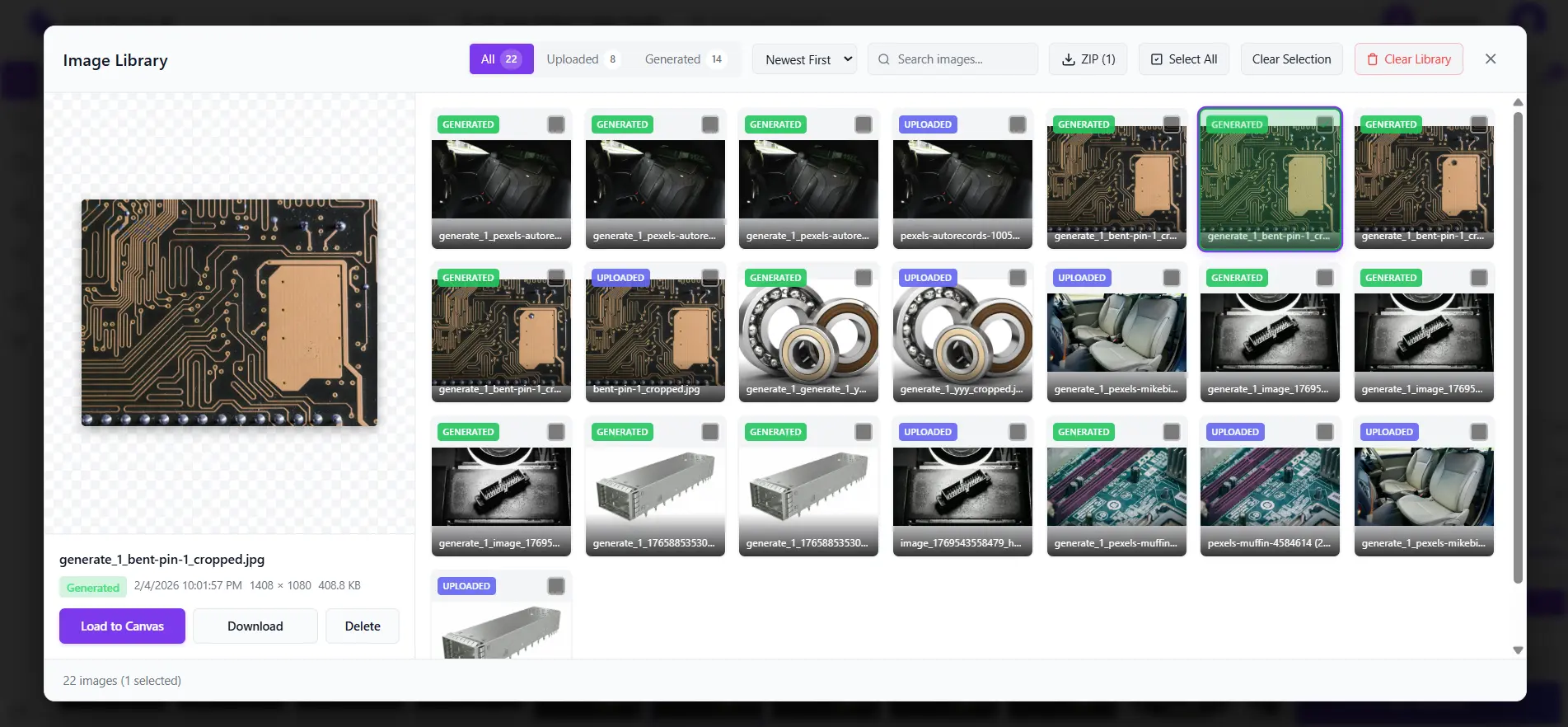
Your synthetic defect repository
Auto-tagged, indexed, stored locally in your browser. No cloud uploads, no data leaves your machine.
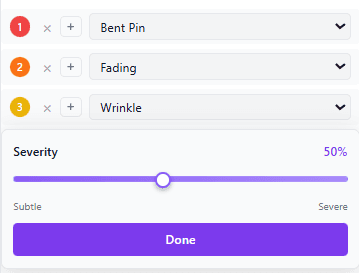
Severity control
From barely perceptible micro-anomalies to catastrophic surface damage.
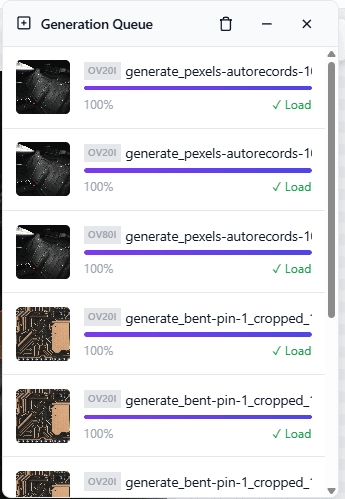
Batch generation
Queue hundreds of synthetic variations and let the engine render them autonomously.
One defect, every surface
Re-render one real defect onto any clean reference. One crack becomes hundreds of samples.
Field Reports
What engineers are saying.
Teams across industries are accelerating deep learning model training with synthetic defect data.
Full dataset in under an hour.
“We used to spend weeks collecting and labeling defect images for every new product line. Model accuracy actually improved because the synthetic data covered edge cases we never captured on the line.”
Months of SKU coverage in minutes.
“In a high-mix environment, every changeover means new defect types to train for. The engine produced thousands of photorealistic variations in minutes, changing our deployment timeline.”
Idea to trained model in an afternoon.
“I uploaded a golden image, selected the defect types I needed, and had a full synthetic dataset in minutes. No staging parts, no waiting for rejects, no manual labeling.”
Deployments
Use cases.
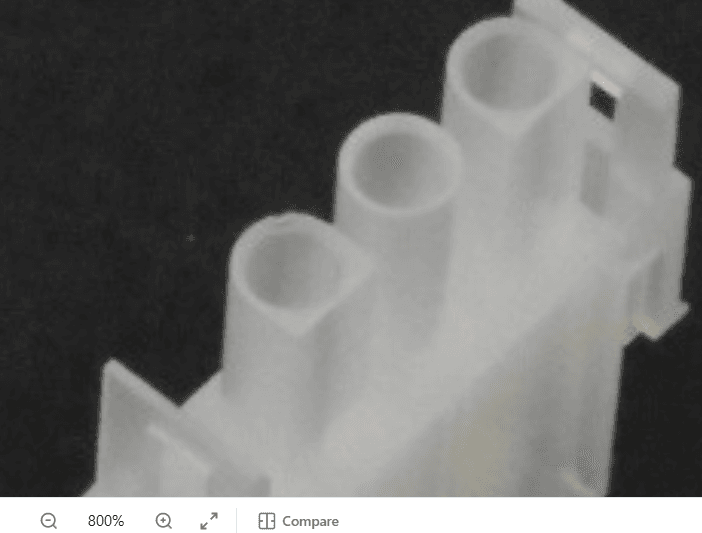
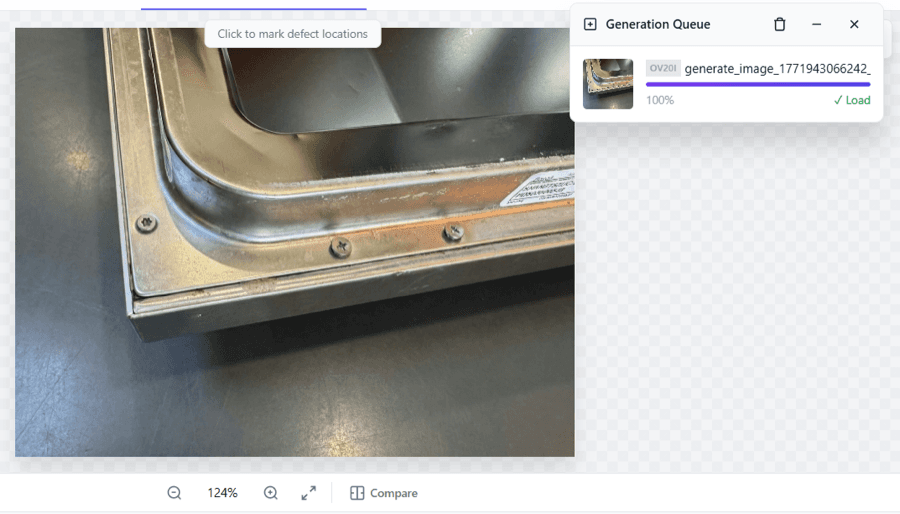
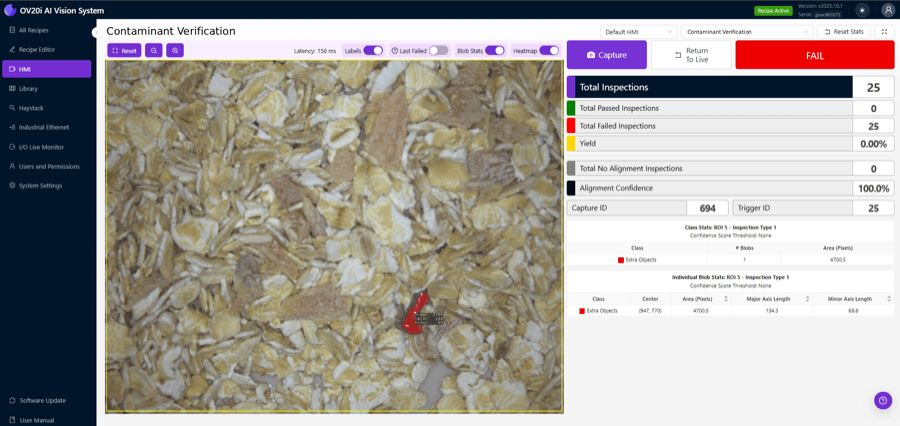
Step-by-step walkthroughs of the OV Auto-Defect Creator Studio running on real manufacturing parts. See exactly how each session works, screen by screen.
Reference
Frequently asked questions.
Synthetic defect data and the OV Auto-Defect Creator Studio.
Synthetic defect data is computer-generated defect imagery created from a clean reference image instead of collected from real defective parts. The OV Auto-Defect Creator Studio renders photorealistic defects onto your real product images, each with a pixel-level label attached, so you can train an inspection model without waiting for real defects to occur on the line.
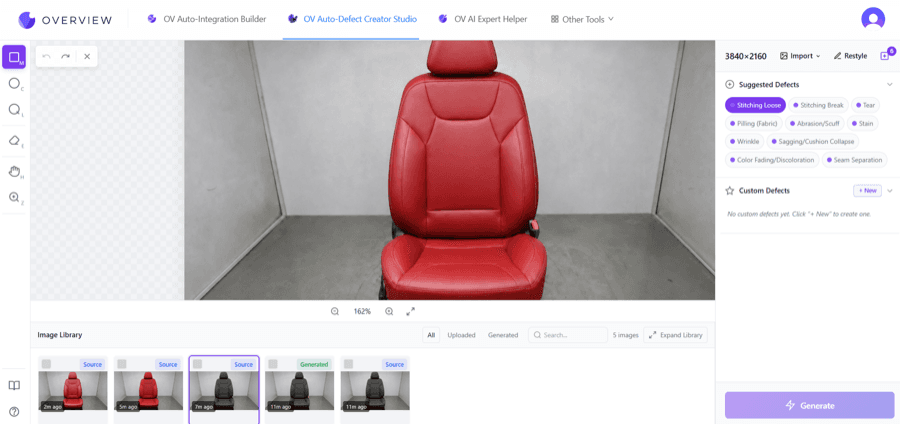
You capture clean reference images, mark a region, and describe the defect in plain English. The studio generates the defect on the real surface in about 15 seconds, with its segmentation mask. Exact time varies by generation mode. Repeat per defect class, then train on the edge camera. No code or machine vision engineering required.
As little as 15 minutes from a clean reference image to a deployed model for a single defect workflow, versus the multi-month data-collection and retraining cycle of traditional machine vision.
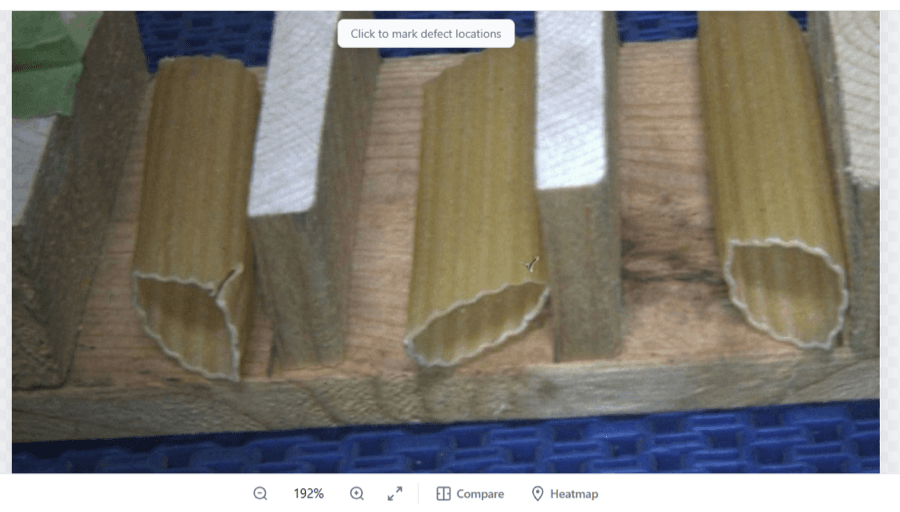
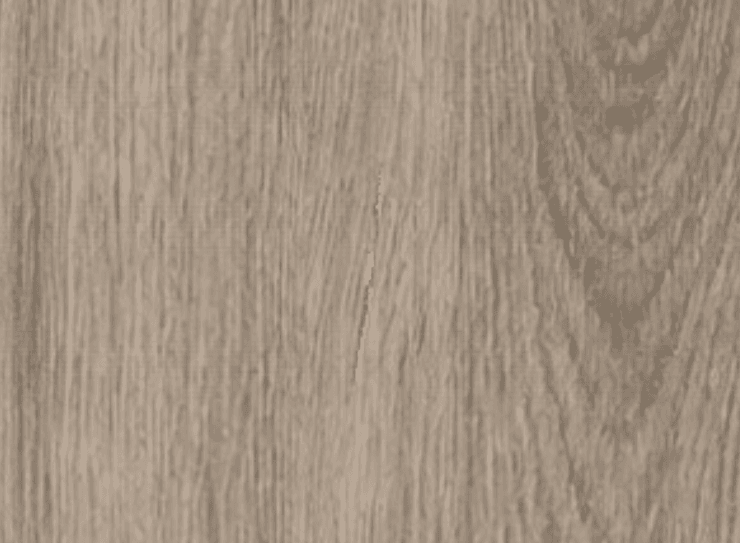
Style Transfer re-renders one labeled defect across material and color variants, for example the same scratch on wood, laminate, and composite. High-mix lines cover every variant from a single authored defect, so new SKUs onboard roughly 12.4 times faster.
No. The only input from the real line is clean, good-product reference images. Every defect class is generated synthetically, so you never damage parts or wait for rare defects to appear.
Start Building Your Synthetic Dataset Today
The manufacturers winning with AI inspection are the ones who solved the training data problem. This defect generator is how they did it.
Explore the GenAI Toolkit
More agentic AI tools for manufacturing teams

