Learn
Resources
Library
Documentation
Getting Started

Comparisons


Learning Center
Plain-language guides to machine vision: what it is, how a system works, what it inspects, and how to choose the hardware.
What Is Machine Vision
The definition, and how it differs from computer vision.
Machine Vision Systems
How a system works, the main types, and how to choose one.
Machine Vision Applications
Twelve real inspection jobs, by task and by industry.
Industrial Cameras
Interfaces, sensors, and how to pick one for a station.
Vision Sensors
The jobs they handle well, and the point where they stop.
Physical AI
The perceive, predict, act loop, and where it starts.
Videos
Easy IO
Simple input/output configuration
Training with Only 2 Samples
Train models with minimal samples
Inspection of Shiny Objects
Handle reflective surfaces
Assembly Check Demo
Verify assembly completeness
Connecting to Your Camera: Troubleshooting Tips
Connecting to the vision system
How to Create a Segmentation Recipe in Minutes!
Learn how to quickly build a segmentation recipe for pixel-level defect detection
Deploy AI Inspection in Minutes: Overview Camera Step-by-Step Setup
Step-by-step guide to deploying AI inspection with Overview cameras
Blog
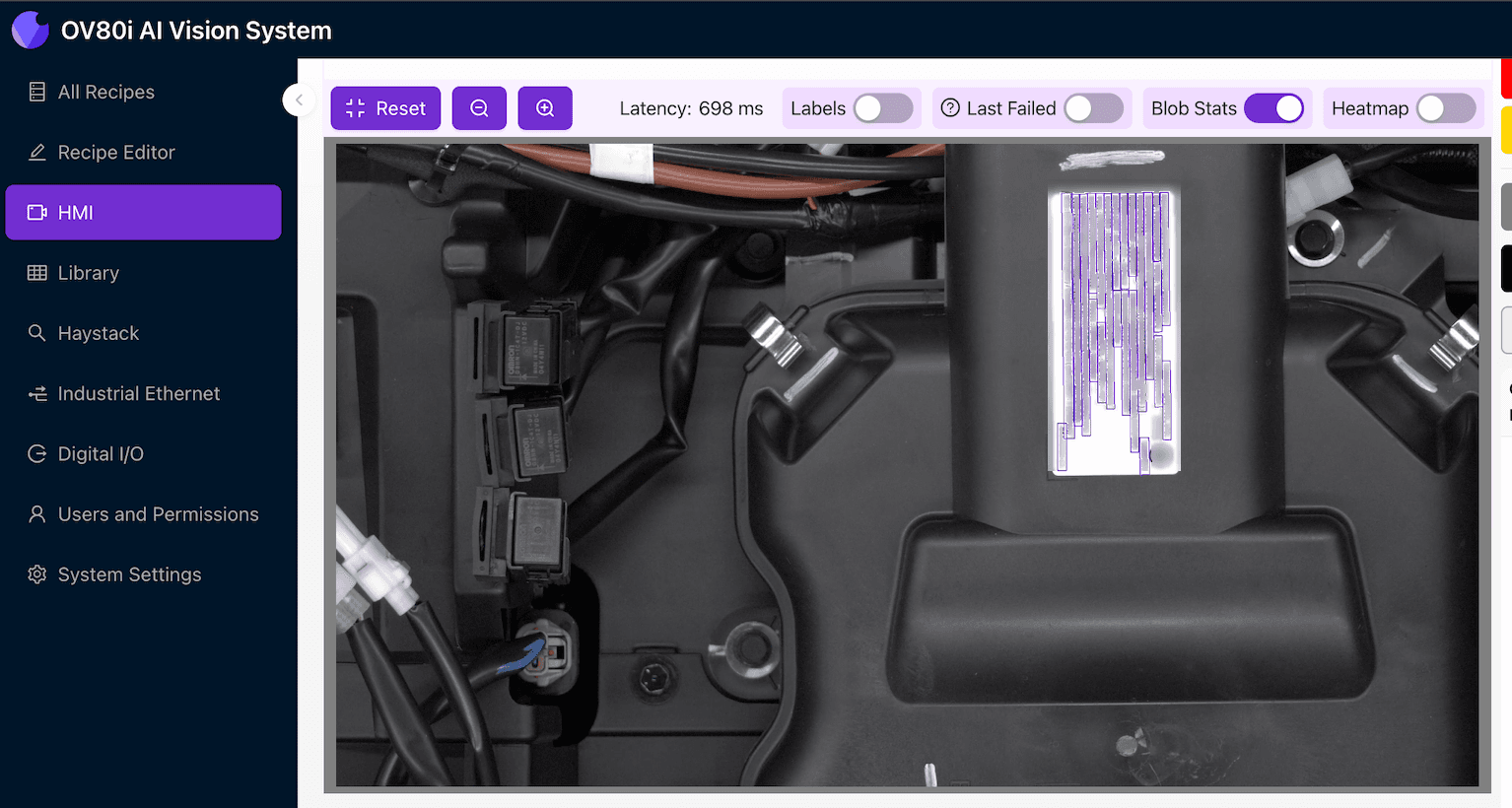
Machine Vision OCR: Reading Part Marks Without Training Data
Why character reading needs no images of your parts, how it differs from template OCR, and the lighting that decides whether a cast or etched mark is readable.
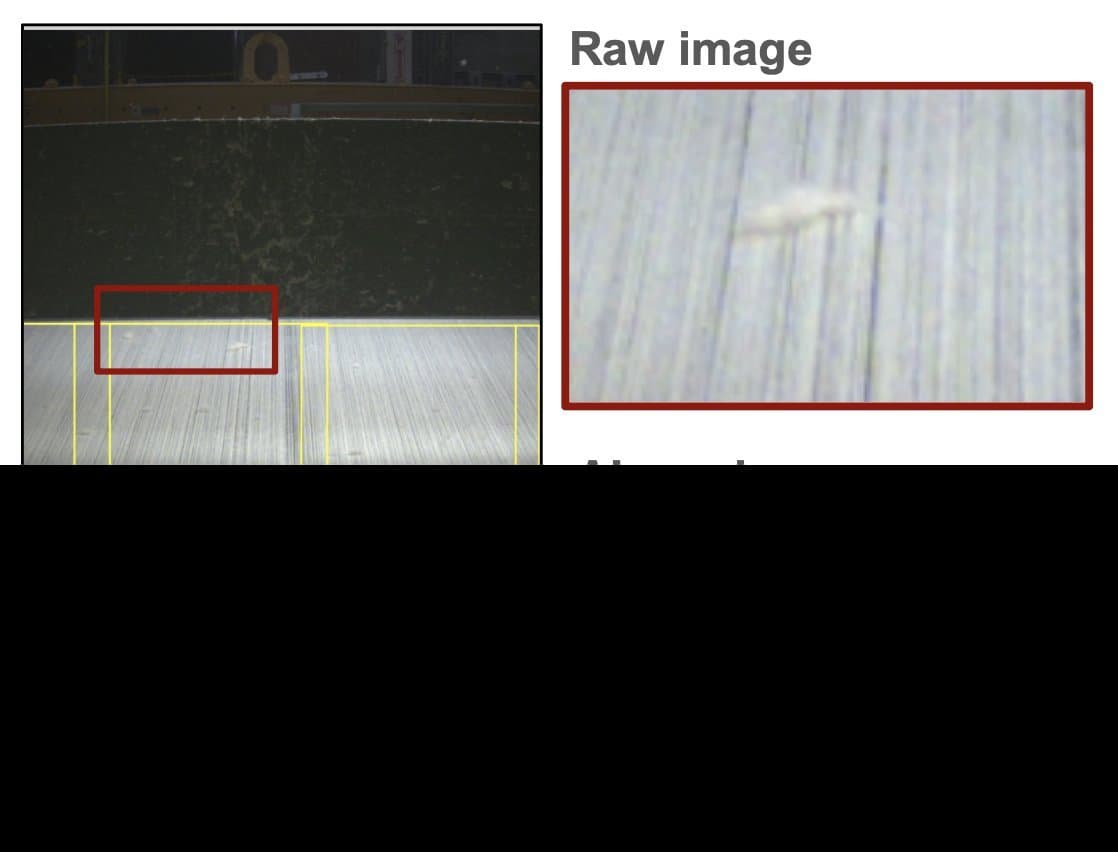
Anomaly Detection: Inspecting With Only Good Samples
The answer to the most common blocker on inspection projects, which is that nobody photographed the defect. Train on good parts and flag what deviates.
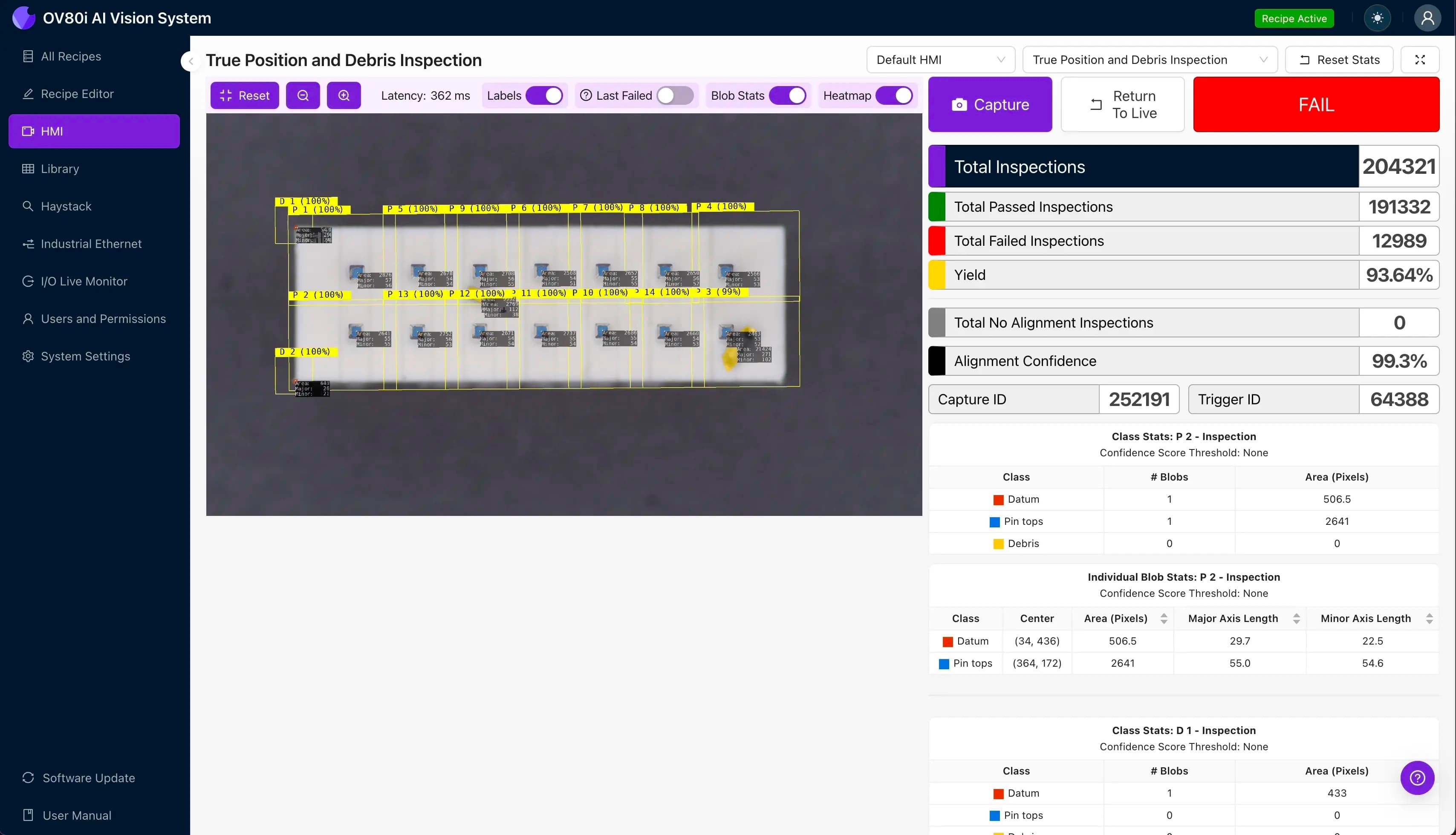
Escape vs Overkill: Measuring a Vision System Honestly
On a line at 98% yield, a system that inspects nothing scores 98% accurate. The four numbers that actually tell you whether a station is working.
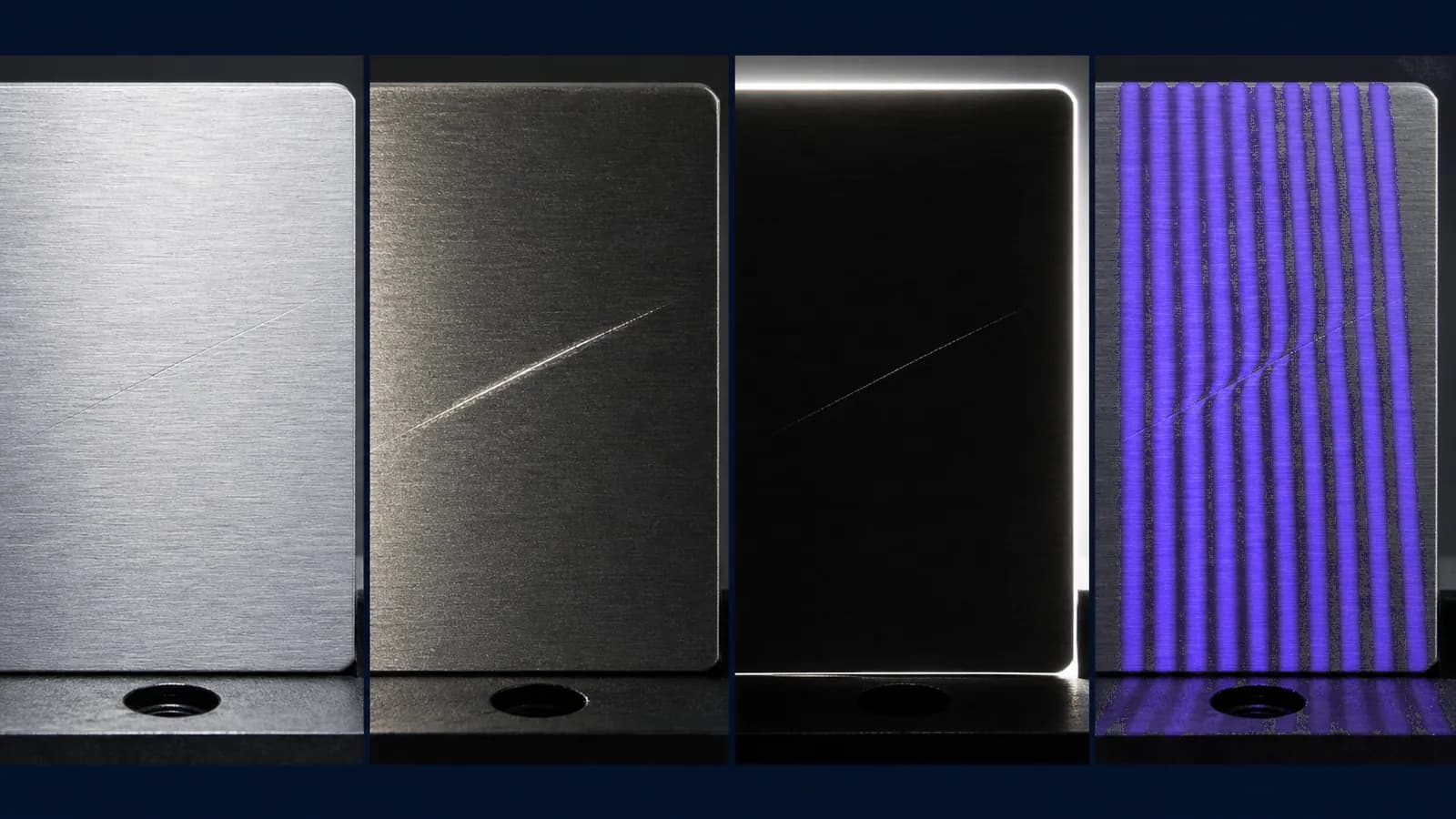
Machine Vision Lighting: Techniques, Geometry and How to Choose
The six lighting geometries, how to pick one starting from the defect rather than a catalogue, and the five mistakes that quietly cost accuracy for years.
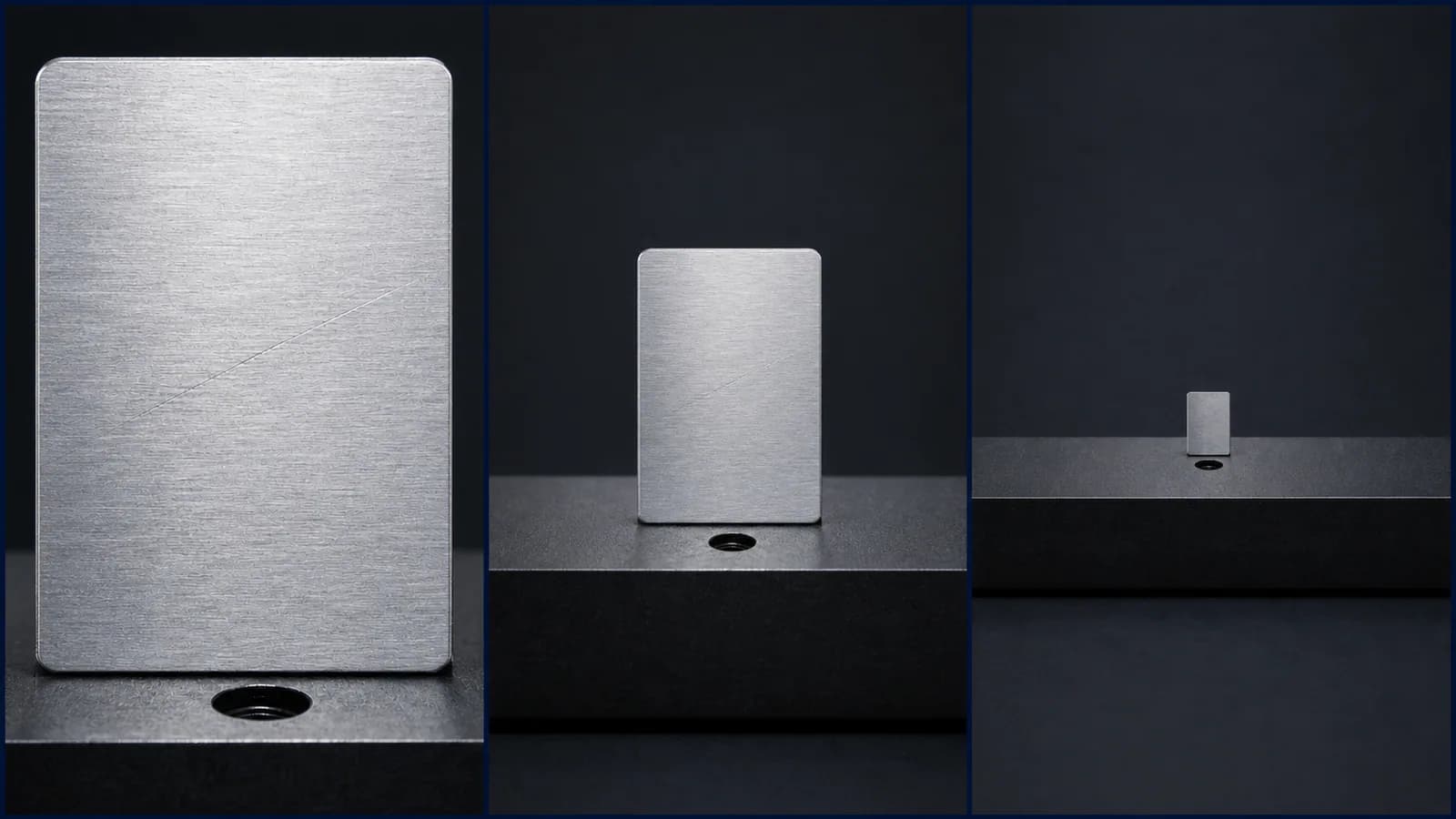
Telecentric Lenses in Machine Vision: When You Actually Need One
The perspective error a telecentric lens removes, the four cases where nothing else will do, and the cases where it is an expensive habit.
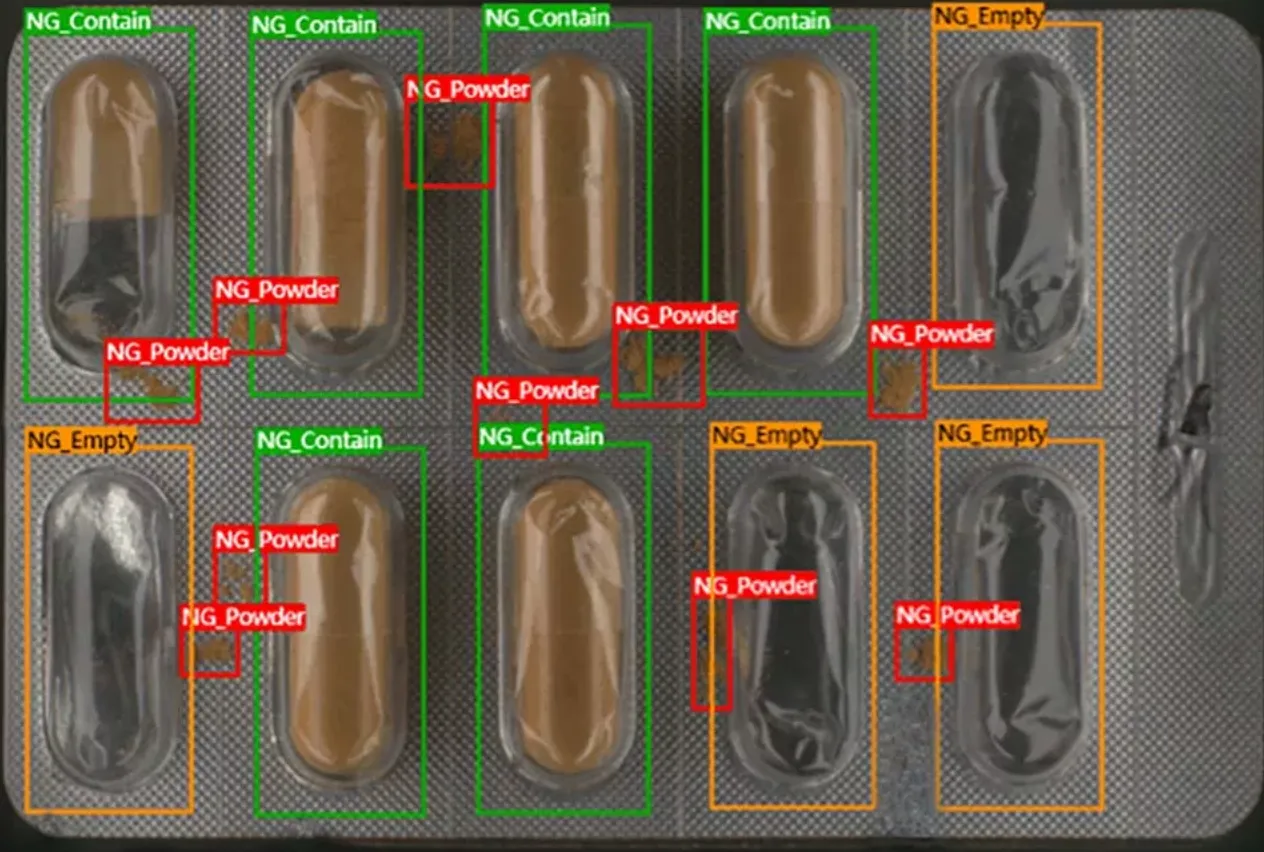
Blister & Cap Weld Cosmetic Inspection: Ensuring Pharmaceutical Package Quality
Discover how AI-powered vision systems detect cosmetic defects in pharmaceutical blister packs and cap welds, ensuring product integrity and regulatory compliance.
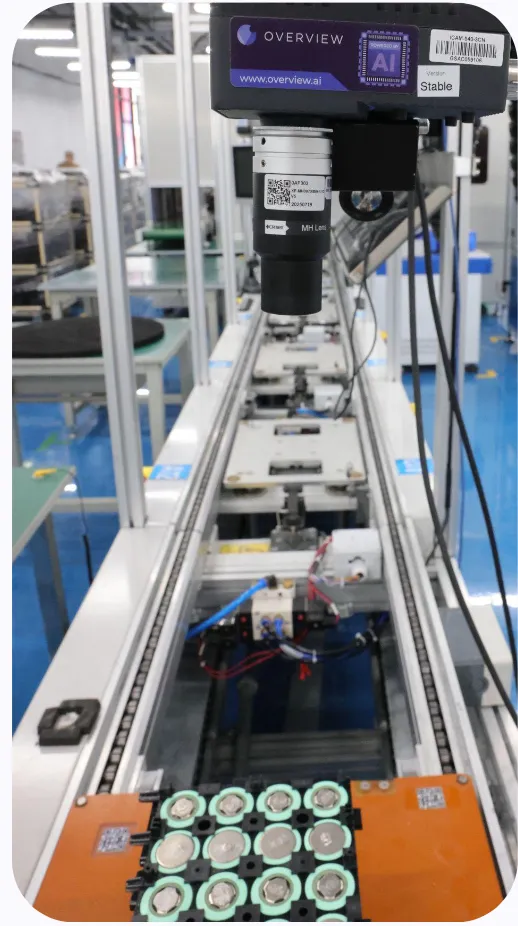
Battery Laser-Weld Inspection (Tabs & Sealing Pins)
Ensure welds are placed correctly, repeatable, and free of defects with AI-powered vision inspection for battery manufacturing.
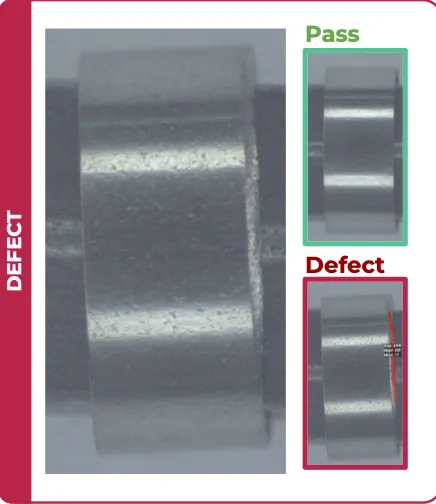
Finding Microscale Surface Defects on Medical Device Components
Learn how AI vision and the right optics detect small, reflective surface defects on medical devices. See a real result from Overview.ai.

Common Tablet Defects in Pharmaceutical Manufacturing
Understanding the most common tablet defects in pharmaceutical manufacturing and how AI-powered inspection can help prevent them.
Visual Inspection Walkthroughs
Step-by-step guides for setting up AI-powered visual inspection across manufacturing applications.
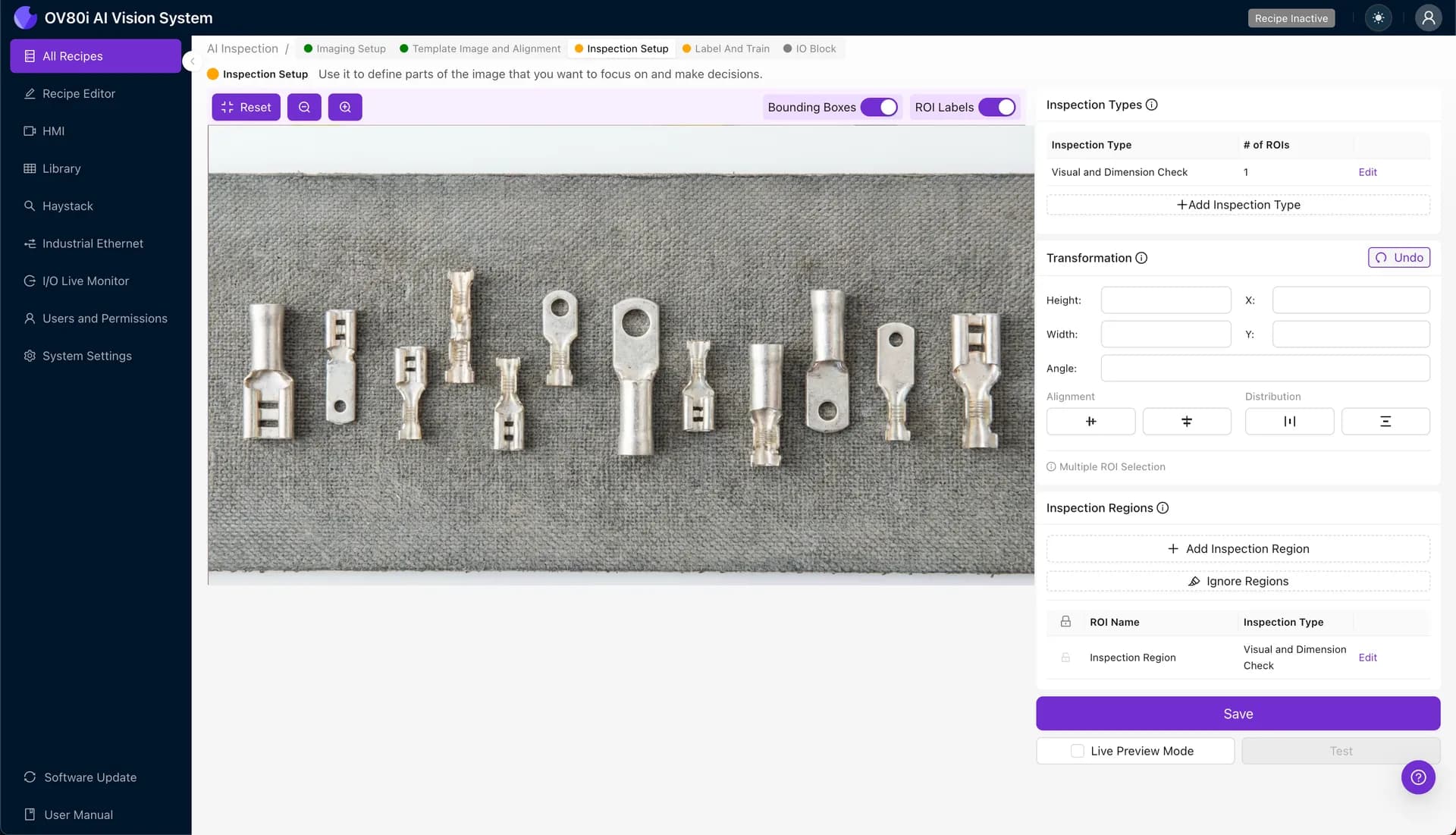
Crimp Barrel Visual Inspection
Automate crimp barrel inspection to detect under-crimps, nicked strands, and strip length defects.
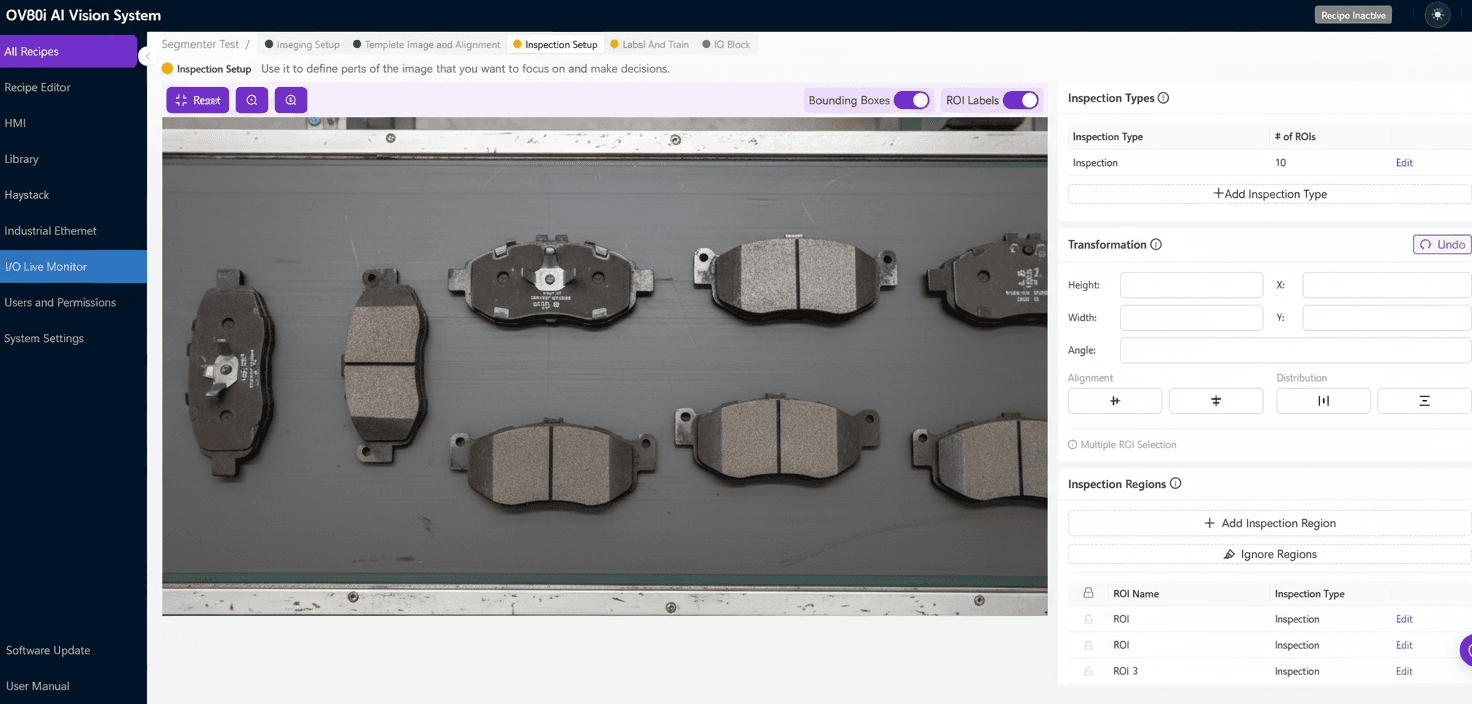
AI Brake Pad Inspection
AI-powered machine vision delivers 100% inline inspection for brake pads in automotive manufacturing.

Tablet Visual Inspection
AI machine vision for 100% in-line tablet inspection, detecting chips, cracks, and contamination.