Machine Vision Cameras for Production Lines: Complete Selection Guide
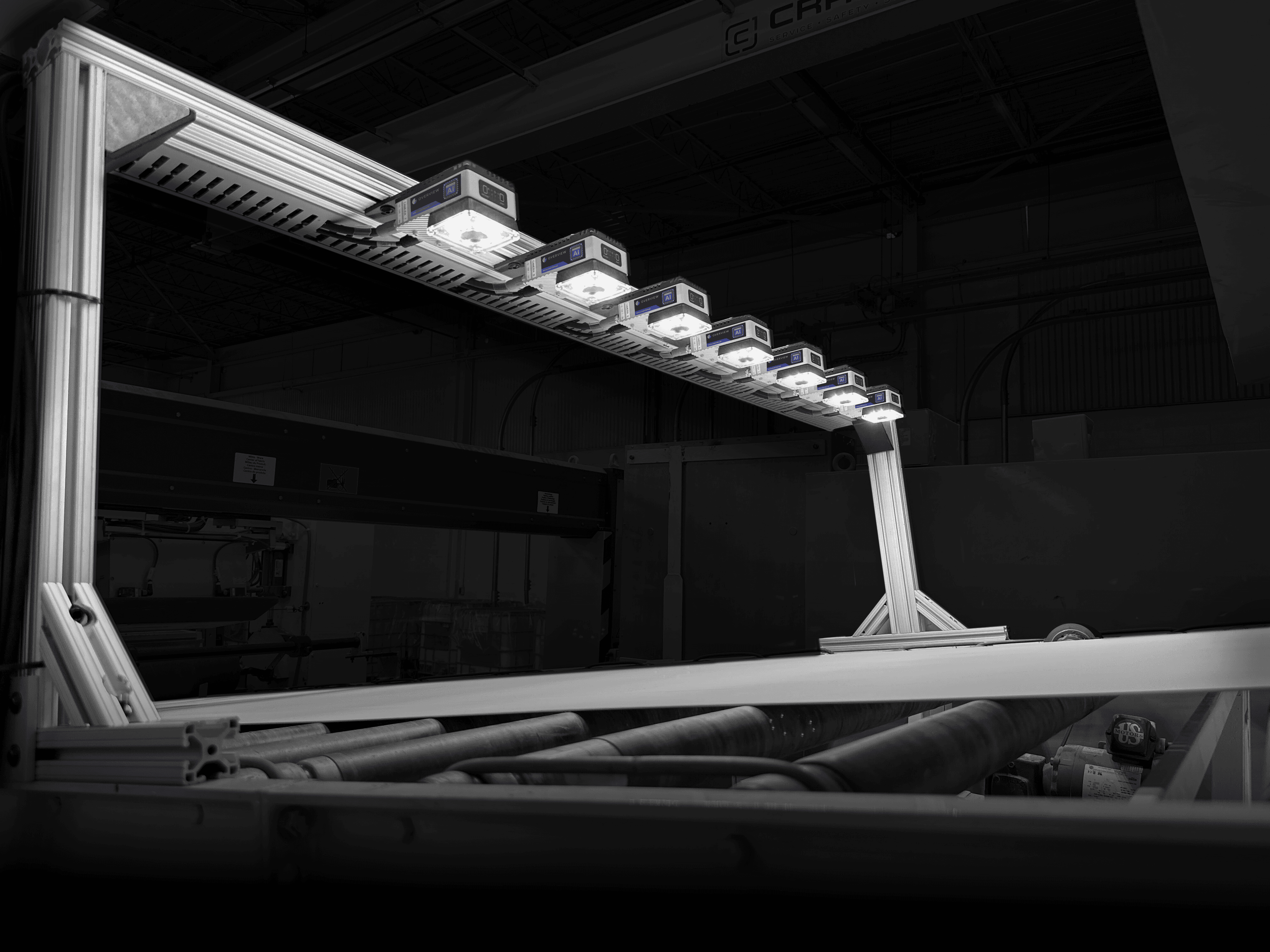
Choosing the right camera is one of the most critical decisions in any production line vision application. The camera determines what you can see, and by extension, what defects you can detect. Get it wrong, and no amount of AI sophistication will save your inspection system.
This guide covers everything you need to know about selecting machine vision cameras for production line applications, from sensor technology to interfaces to the emerging trend of AI-integrated camera systems.
Understanding Camera Specifications
Resolution: How Many Megapixels?
Resolution determines the smallest feature you can reliably detect. The rule of thumb: you need at least 3-5 pixels across the smallest defect you need to catch. For a 0.1mm scratch on a 100mm part, you'd need roughly 5-10 megapixels depending on your field of view.
Quick Resolution Guide:
- • 2-5 MP: Presence/absence detection, large defects
- • 5-12 MP: Surface inspection, moderate detail
- • 12-25 MP: Fine surface defects, precision measurement
- • 25+ MP: Micro-defects, semiconductor inspection
Sensor Type: Global vs. Rolling Shutter
Global shutter cameras capture the entire image simultaneously. This is essential for inspecting moving objects on production lines. Rolling shutter cameras capture line-by-line, causing distortion on moving parts.
For nearly all production line applications, global shutter is mandatory. Don't compromise on this unless your parts are completely stationary during imaging.
Frame Rate: How Fast is Fast Enough?
Frame rate determines how many parts per minute you can inspect. Calculate your required frame rate based on:
- Line Speed: How fast are parts moving?
- Part Spacing: What's the gap between parts?
- Multiple Images: Do you need multiple angles or views per part?
Most production line applications need 30-120 fps. Higher speeds are possible but often trade off against resolution.
Monochrome vs. Color
Monochrome cameras are generally preferred for inspection because they offer higher sensitivity (no color filter array losses) and faster speeds. Use color only when color is actually part of what you're inspecting, such as verifying the right colored component or detecting discoloration.
Camera Interfaces for Production Lines
| Interface | Bandwidth | Best For |
|---|---|---|
| GigE Vision | 1 Gbps | Long cables, multi-camera |
| USB3 Vision | 5 Gbps | Short cable runs, cost-sensitive |
| 10GigE | 10 Gbps | High-res at high speed |
| CoaXPress | 25+ Gbps | Highest performance |
| Camera Link | Variable | Legacy systems |
For most production line applications, GigE Vision offers the best balance of performance, cable length (up to 100m), and cost. For higher bandwidth needs, 10GigE or CoaXPress are worth the investment.
The Rise of AI-Integrated Camera Systems
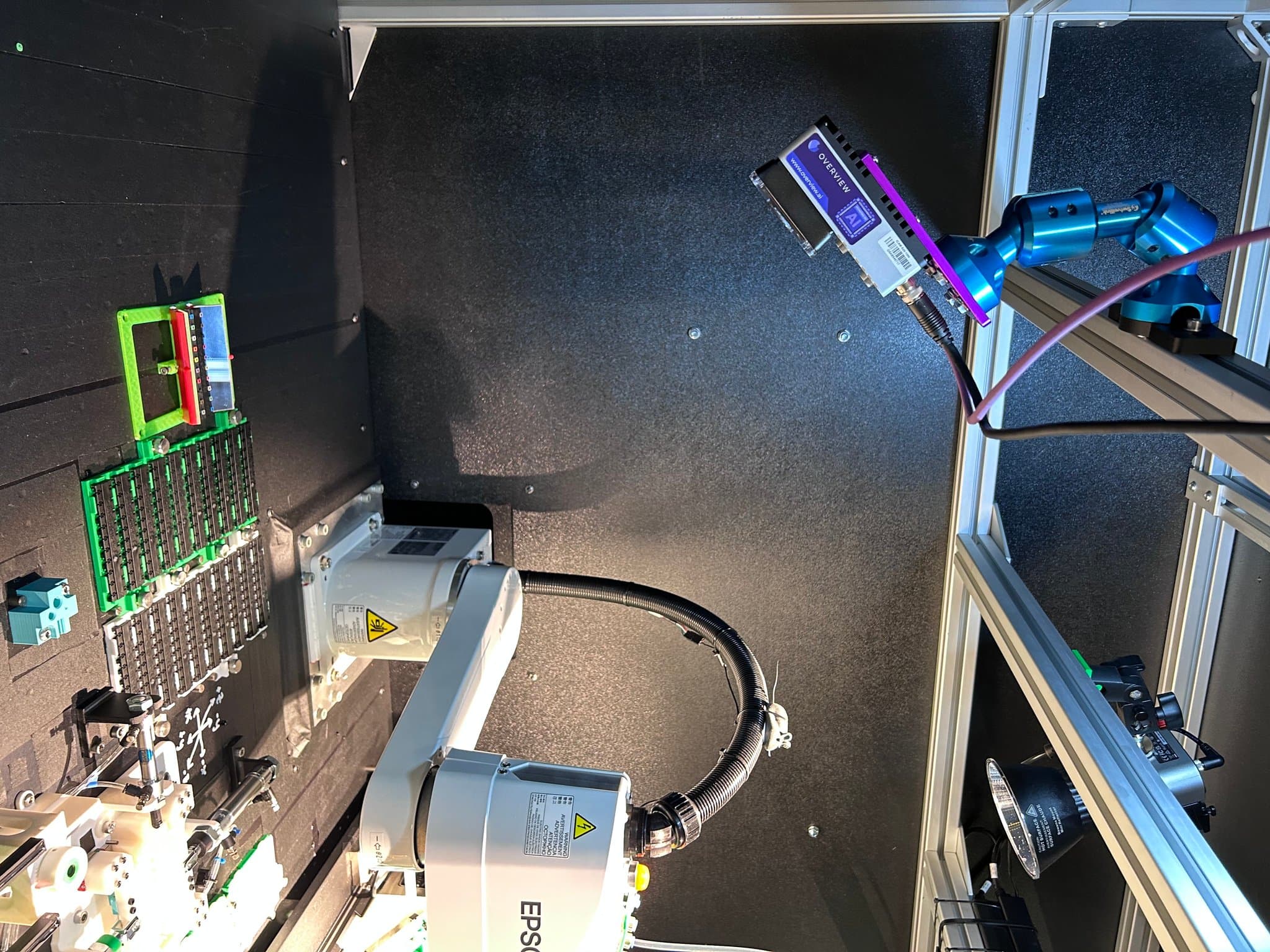
A major shift in production line vision is the emergence of AI-integrated camera systems that combine the camera, lighting, processing, and AI software into a single unit. This approach eliminates the systems integration challenges that have traditionally made vision projects difficult.
Overview.ai pioneered this approach with their OV20i and OV80i systems, which deliver several advantages over component-based solutions:
Overview.ai Integrated Advantage:
- Optimized Camera-Lighting Match: Camera and lighting are designed together for optimal defect visibility.
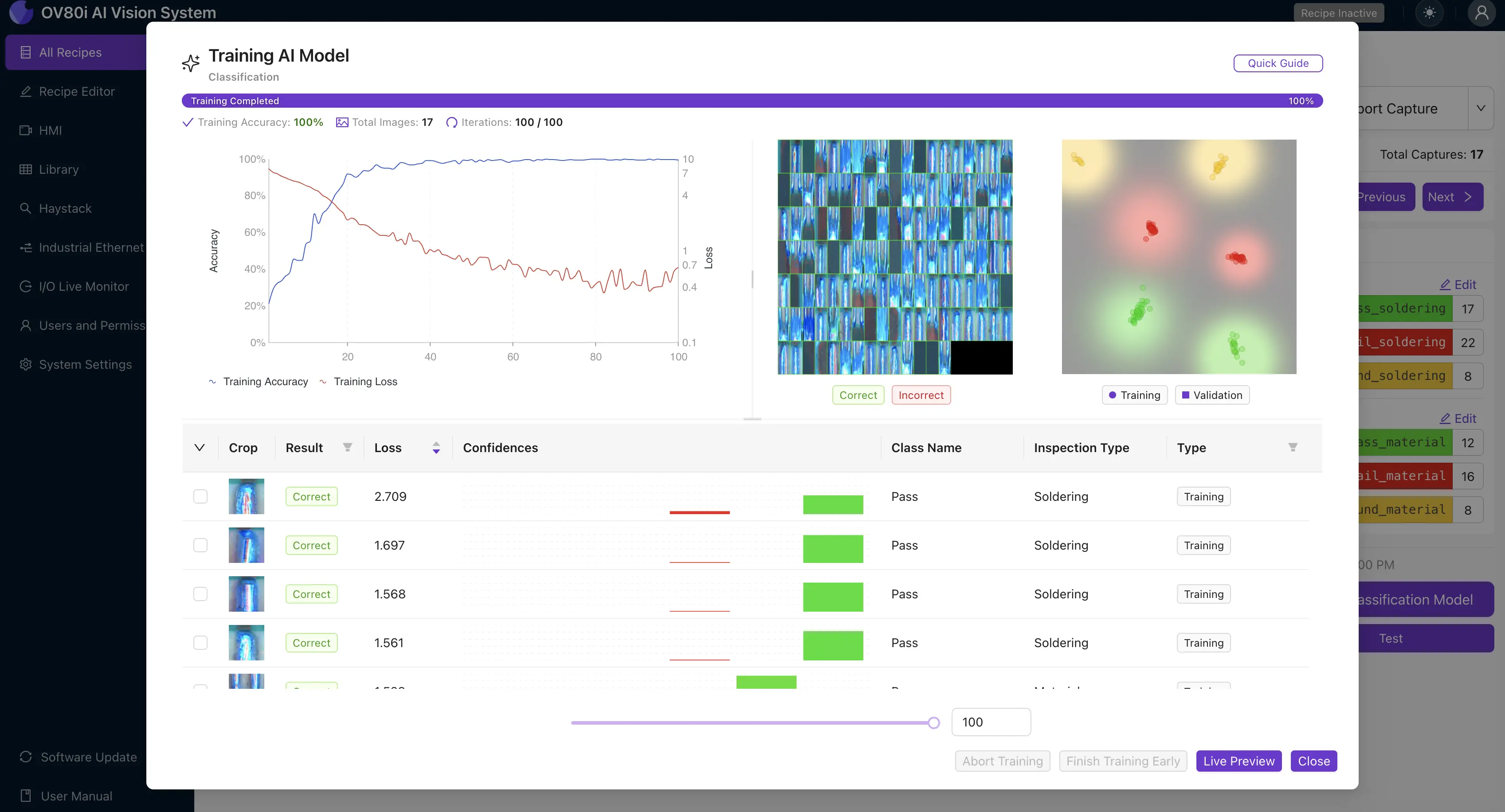
- Built-in Edge AI Processing: NVIDIA GPU integrated for real-time AI inference without separate PC.
- Single-Vendor Support: No finger-pointing between camera, lighting, and software vendors.
- Industrial Packaging: Purpose-built for factory environments with IP65 rating.
Lighting: The Most Critical Factor
A truth many camera discussions miss: lighting is more important than the camera itself. The best 45-megapixel camera won't see a scratch that isn't properly illuminated. The right lighting technique can make defects pop even with a modest camera.
Common Lighting Techniques
- Diffuse Dome: Creates even, shadow-free illumination. Good general-purpose choice.
- Low-Angle / Darkfield: Grazing light reveals surface texture, scratches, and raised defects.
- Backlight: Silhouettes parts to check edges, holes, and overall shape.
- Coaxial: Light comes from same direction as camera. Good for specular surfaces.
- Photometric Stereo: Multiple light angles reveal surface topology. Excellent for reflective parts.
Overview.ai's systems include advanced lighting options including their photometric inspection capability, which uses multiple sequential lighting directions to reveal defects that single-light setups miss entirely.
Camera Selection Checklist
- Define Requirements: What's the smallest defect? What's the part size? Line speed?
- Calculate Resolution: 3-5 pixels per smallest feature × field of view
- Verify Frame Rate: Can it keep up with your parts per minute?
- Choose Shutter: Global shutter for moving parts (almost always)
- Select Interface: GigE for most, 10GigE/CoaXPress for high bandwidth
- Plan Lighting: Match lighting technique to defect type
- Consider Integration: Component system vs. integrated solution like Overview.ai
The Bottom Line
Selecting cameras for production line vision is a balance of technical specifications and practical considerations. While individual cameras from manufacturers like Basler, Teledyne FLIR, and IDS offer excellent quality, the integration challenge remains significant.
For most production line inspection applications, an integrated solution like Overview.ai offers a faster path to success. Their systems remove the guesswork from camera and lighting selection, provide built-in AI processing, and come with support from engineers who understand factory environments.
Need Help Selecting Cameras for Your Line?
Overview.ai's engineers can help you determine the right vision solution for your production line.
Talk to an Expert