Machine Vision Explained: Technology, Applications, and Benefits
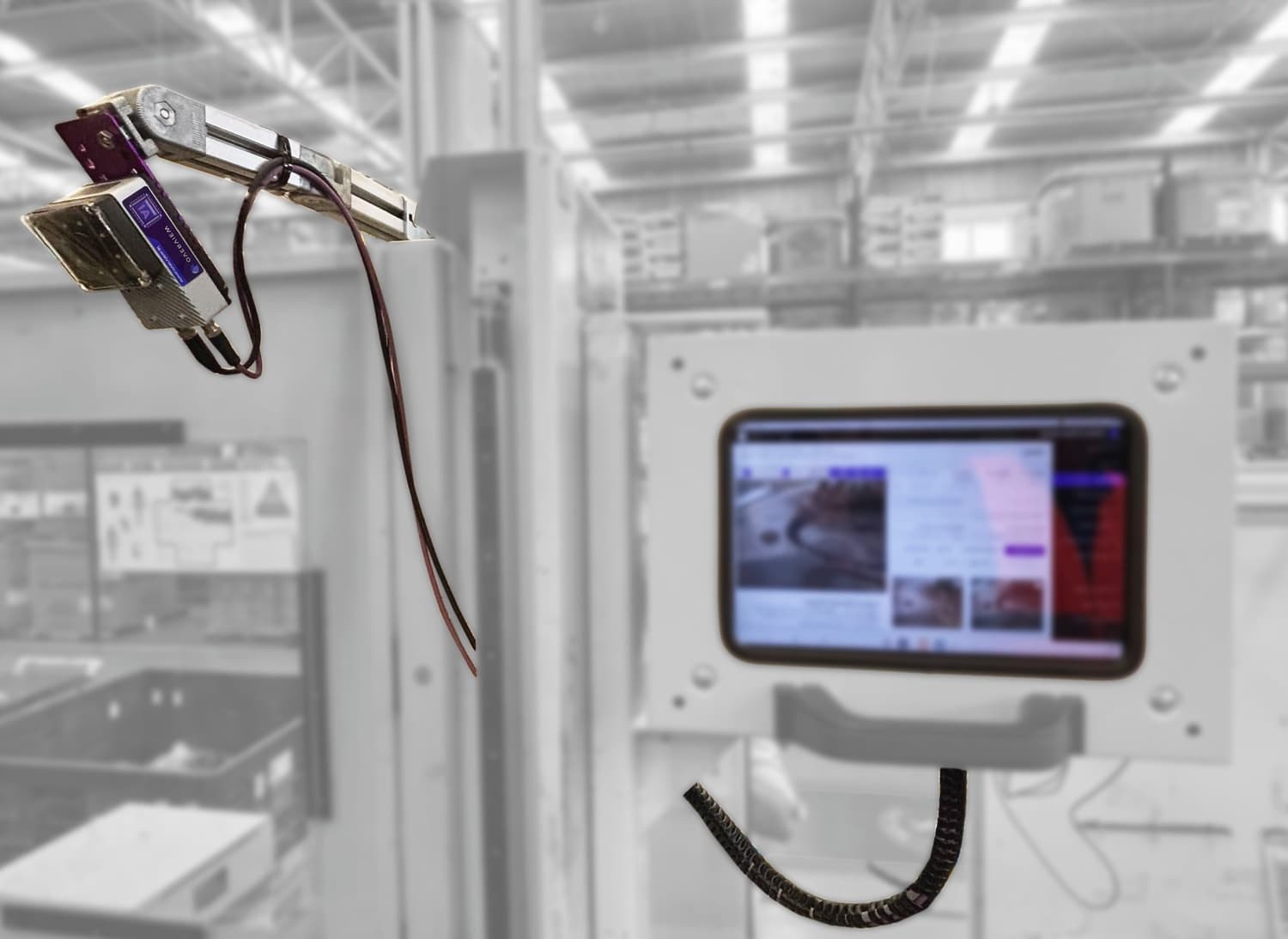
Machine vision is the technology that gives machines the ability to see and interpret visual information. In manufacturing, machine vision systems automate inspection, measurement, and guidance tasks that traditionally required human vision. This article explains how machine vision works and why it has become essential to modern manufacturing.
What Is Machine Vision?
Machine vision refers to the use of cameras and image processing to provide imaging-based automatic inspection, process control, and robot guidance in industrial applications. It encompasses the hardware that captures images and the software that analyzes them to make decisions.

The term "machine vision" specifically refers to industrial applications, distinguishing it from the broader field of "computer vision" which includes non-industrial uses like autonomous vehicles, medical imaging, and security systems. Machine vision systems are engineered for the harsh conditions and demanding requirements of factory environments.
How Machine Vision Works
A machine vision system follows a consistent workflow to transform light into actionable decisions:
- Image Acquisition: A camera captures an image of the object being inspected. Proper lighting ensures relevant features are visible.
- Image Processing: Software processes the raw image to enhance features, reduce noise, and prepare for analysis. This might include filtering, contrast adjustment, or geometric corrections.
- Feature Extraction: Algorithms identify and measure relevant features in the image: edges, shapes, patterns, colors, or specific characteristics.
- Decision Making: The system compares extracted features against defined criteria to make pass/fail decisions, measurements, or classifications.
- Communication: Results are communicated to other systems, including PLCs, robots, and databases, to trigger appropriate actions.
Key Technologies
Image Sensors
The image sensor converts light into electrical signals. Modern machine vision primarily uses CMOS (Complementary Metal-Oxide-Semiconductor) sensors, which offer excellent performance, low power consumption, and cost-effective manufacturing. CCD (Charge-Coupled Device) sensors, once dominant, are still used in specialized applications requiring extreme image quality.
Illumination
Lighting transforms how cameras see objects. Different lighting techniques reveal different features:
Bright Field
Direct illumination showing surface colors and textures. Most common for general inspection.
Dark Field
Low-angle lighting that makes scratches and surface defects appear bright against dark background.
Backlighting
Light behind the object creates silhouettes for precise edge detection and dimensional measurement.
Structured Light
Projected patterns that deform over 3D surfaces, enabling height and shape measurement.
Image Processing Algorithms

Traditional machine vision relies on algorithmic approaches programmed by engineers:
- Edge detection: Finding boundaries between regions of different intensity
- Blob analysis: Identifying and measuring connected regions of similar pixels
- Pattern matching: Locating known patterns within images
- Morphological operations: Processing shapes to clean up images or extract features
- Color analysis: Measuring and comparing colors across regions
- Geometric measurement: Calculating distances, angles, areas, and positions
Industrial Applications
Inspection and Quality Control
Machine vision inspects products for defects, contamination, and conformance to specifications. From detecting microscopic flaws on semiconductor wafers to checking paint quality in automotive manufacturing, inspection is the most widespread machine vision application. See how this compares to AI computer vision approaches.
Measurement and Metrology
Non-contact dimensional measurement at production speeds. Machine vision measures features that would be difficult or impossible to gauge mechanically, and does so without slowing production or risking damage to delicate products.
Identification
Reading 1D barcodes, 2D codes (QR, Data Matrix), and text (OCR/OCV). Enables product tracking, traceability, and verification that correct information is marked on products.
Robot Guidance
Vision-guided robots use cameras to locate parts and calculate pick or placement positions. This eliminates the need for expensive fixturing and enables robots to handle variability in part presentation.
Benefits of Machine Vision
Consistency
Applies identical criteria to every inspection. No fatigue, no variation between shifts, no subjective judgment.
Speed
Inspects at speeds impossible for humans: hundreds or thousands of parts per minute.
Accuracy
Measures to micron-level precision. Detects defects invisible to the human eye.
Documentation
Every inspection generates data. Images and measurements provide complete quality documentation.
24/7 Operation
Operates continuously without breaks, sick days, or turnover. Always available when production runs.
Cost Reduction
Reduces labor costs, prevents escapes, minimizes scrap. Often pays for itself within months.
Limitations of Traditional Machine Vision
While powerful, traditional machine vision has limitations:
- Rigid programming: Every inspection criterion must be explicitly programmed. New defect types require new programming.
- Sensitivity to variation: Rule-based systems struggle when products vary naturally in color, texture, or position.
- Complex setup: Programming effective inspections requires expertise and often extensive tuning.
- Limited adaptability: Changing products or requirements typically means significant reprogramming effort.
These limitations have driven the integration of learning-based approaches into machine vision systems, creating hybrid systems that combine the precision of traditional algorithms with the flexibility of modern techniques.
Machine Vision Standards
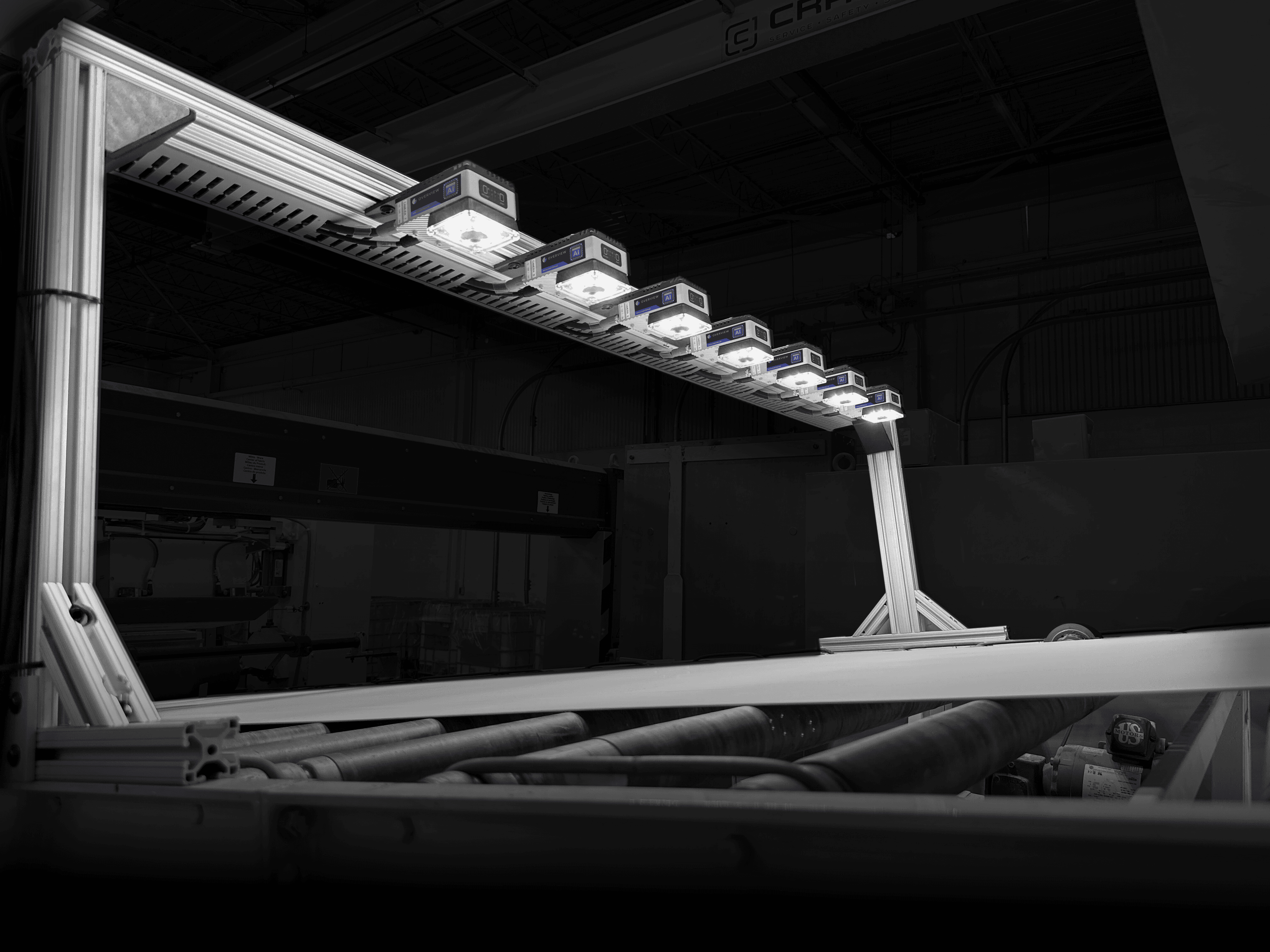
Industry standards enable interoperability between machine vision components:
- GigE Vision: Standard for transmitting video over Ethernet networks
- USB3 Vision: Standard for USB 3.0 camera interface
- Camera Link: High-bandwidth interface for demanding applications
- CoaXPress: High-speed interface using coaxial cables
- GenICam: Generic programming interface for cameras
Choosing Machine Vision Solutions
When evaluating machine vision for your application, consider:
- Application requirements: What exactly needs to be inspected, measured, or identified?
- Speed and throughput: How fast must the system operate?
- Accuracy needs: What precision is required?
- Environmental conditions: Temperature, vibration, contamination in the factory
- Integration requirements: How will it connect to existing systems?
- Support and maintenance: Who will keep it running?
Modern machine vision platforms from providers like Overview.ai integrate cameras, processing, and software into unified systems designed for easy deployment. These platforms combine traditional machine vision capabilities with modern learning-based techniques, delivering both precision and flexibility.
See Machine Vision in Action
Discover how modern machine vision technology can solve your manufacturing inspection challenges.
Request a Demo