Debris & FOD Detection Inside Connectors
Find foreign object debris of any shape, size, or color before it causes shorts, connectivity failures, or customer complaints. AI that sees what human inspectors miss.
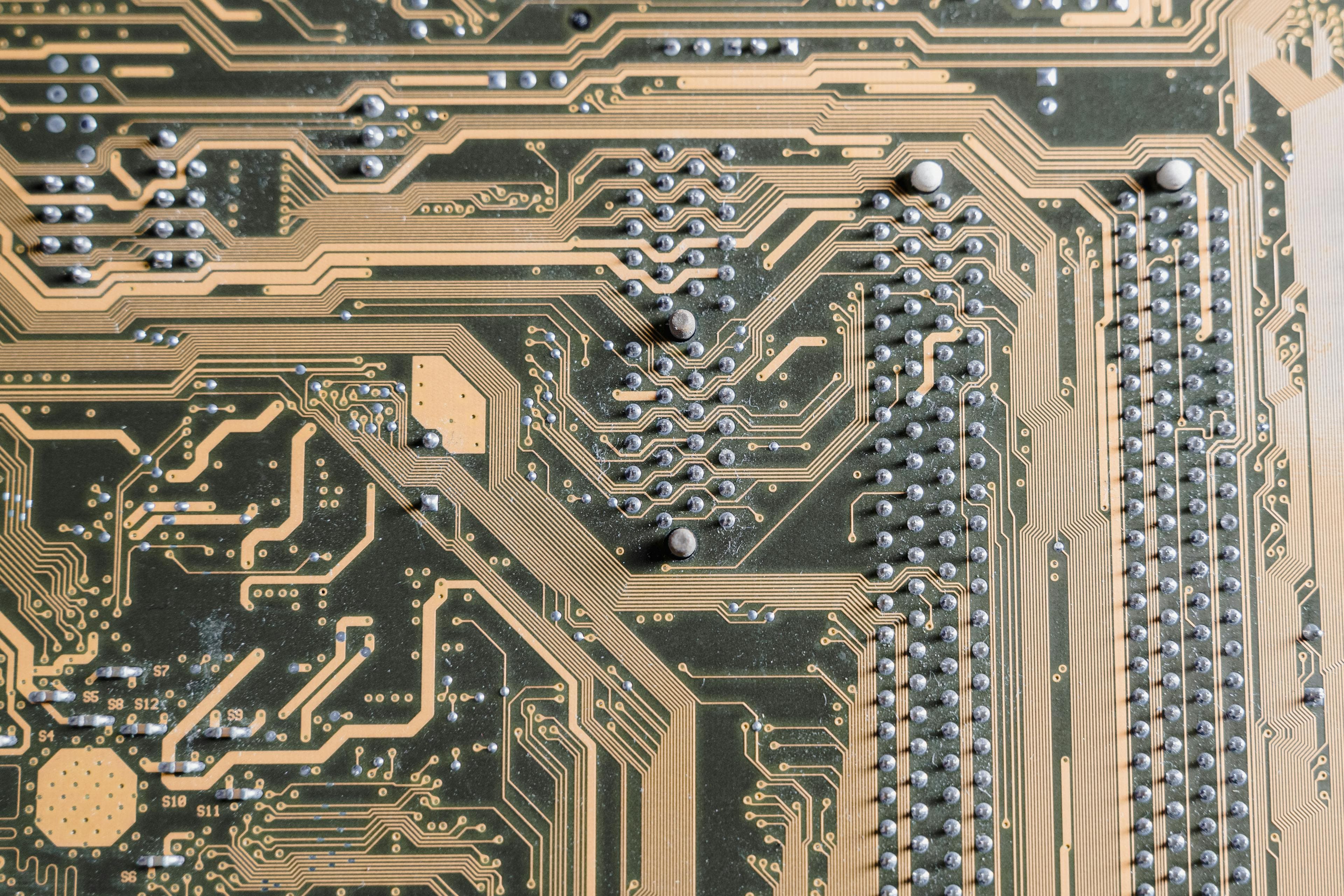
The FOD Challenge in Connector Manufacturing
Foreign object debris (FOD) inside connectors is one of the most frustrating quality issues in electronics manufacturing. A single dust particle, metal shaving, or fiber can cause intermittent shorts, signal degradation, or complete connectivity failure. In the connector industry, contamination control is paramount: from automotive harness assemblies to medical device interconnects, FOD causes warranty returns, safety recalls, and damaged customer relationships.
The challenge? FOD comes in infinite variations: different shapes, colors, sizes, and locations. Traditional vision systems that look for specific patterns simply can't keep up with the randomness of real-world contamination. Whether it's brass chips from terminal stamping, plastic flash from injection molding, flux residue from wave soldering, or fibers from cleanroom garments, each type requires different detection approaches in rule-based systems.
Modern connector manufacturing compounds the problem. As terminal pitch decreases and cavity count increases, the potential for FOD to cause critical failures grows exponentially. A 50-micron particle between 0.4mm pitch terminals can cause a dead short. In high-speed signal connectors, even smaller contamination can degrade signal integrity. Cleanroom manufacturing helps, but 100% contamination prevention is impossible without end-of-line visual inspection.
- !Particles as small as 50 microns can cause failures in fine-pitch connectors (0.5mm pitch or below)
- !Low-contrast debris on similar-colored housings (black particles on black plastic) is nearly invisible to rule-based systems
- !FOD can appear anywhere: between pins, on housing walls, in terminal cavities, under secondary locks, and on mating faces
- !Conductive FOD (metal shavings, solder balls) poses higher risk than non-conductive debris
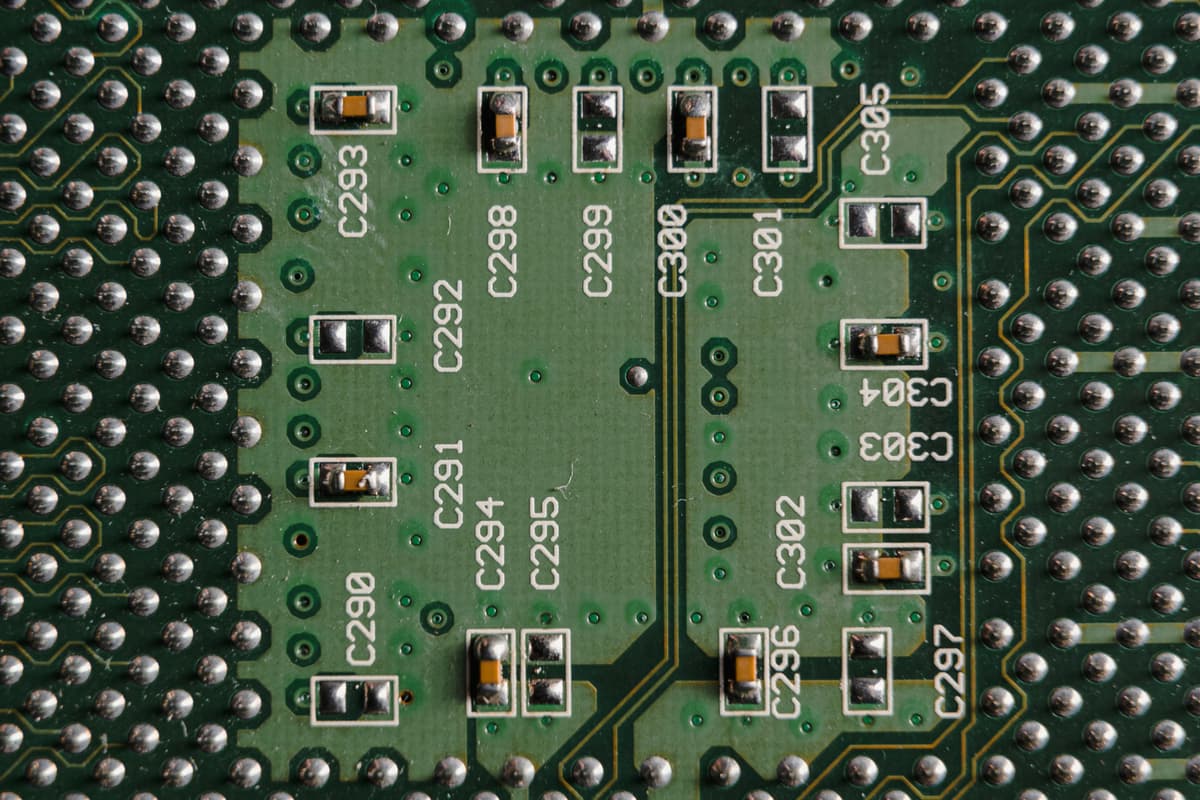
Common FOD Sources in Connector Manufacturing
Terminal Stamping
Metal chips, slugs, and burrs from progressive die operations can migrate into connector housings during assembly.
Plastic Molding
Flash, short shots, and degraded resin particles from injection molding can contaminate connector cavities.
Assembly Environment
Fibers, dust, and skin cells from operators and equipment despite cleanroom controls.
Process Residues
Flux from soldering, lubricants from crimping, and adhesive from potting and sealing operations.
How Overview AI Finds What Others Miss
Our deep learning approach is fundamentally different from traditional pattern matching. Instead of programming rules for "what debris looks like," we train our models on what clean parts look like. Anything that deviates from "clean" gets flagged regardless of the debris's shape, color, or orientation. This anomaly detection approach is far more robust for catching the unexpected contamination that causes field failures.
Overview AI is trained on thousands of clean connector images from your production, learning the expected appearance of every surface, cavity, and terminal. When contamination appears, even if it's a type never seen before, the AI recognizes the deviation from normal. This approach catches the "black swan" debris that escapes rule-based systems: the unusual fiber, the oddly-shaped particle, the semi-transparent contamination that blends with housing material.
Anomaly Detection
Find debris you've never seen before, including novel contamination types. No need to program every possible contamination pattern.
Zone-Based Inspection
Define critical zones with tighter tolerances. Apply strict standards to pin cavities while allowing looser tolerances on housing exterior.
Size Classification
Automatically classify debris by size to prioritize critical contamination and apply size-based pass/fail criteria.
Conductive vs Non-Conductive
AI learns to distinguish metallic (high-risk) contamination from organic debris for risk-based quality decisions.
Contamination Trending
Track FOD rates over time to identify process issues, supplier problems, or environmental factors before they cause quality escapes.
High-Speed Inspection
Inspect complex multi-cavity connectors in under a second, keeping pace with your terminal insertion and assembly lines.
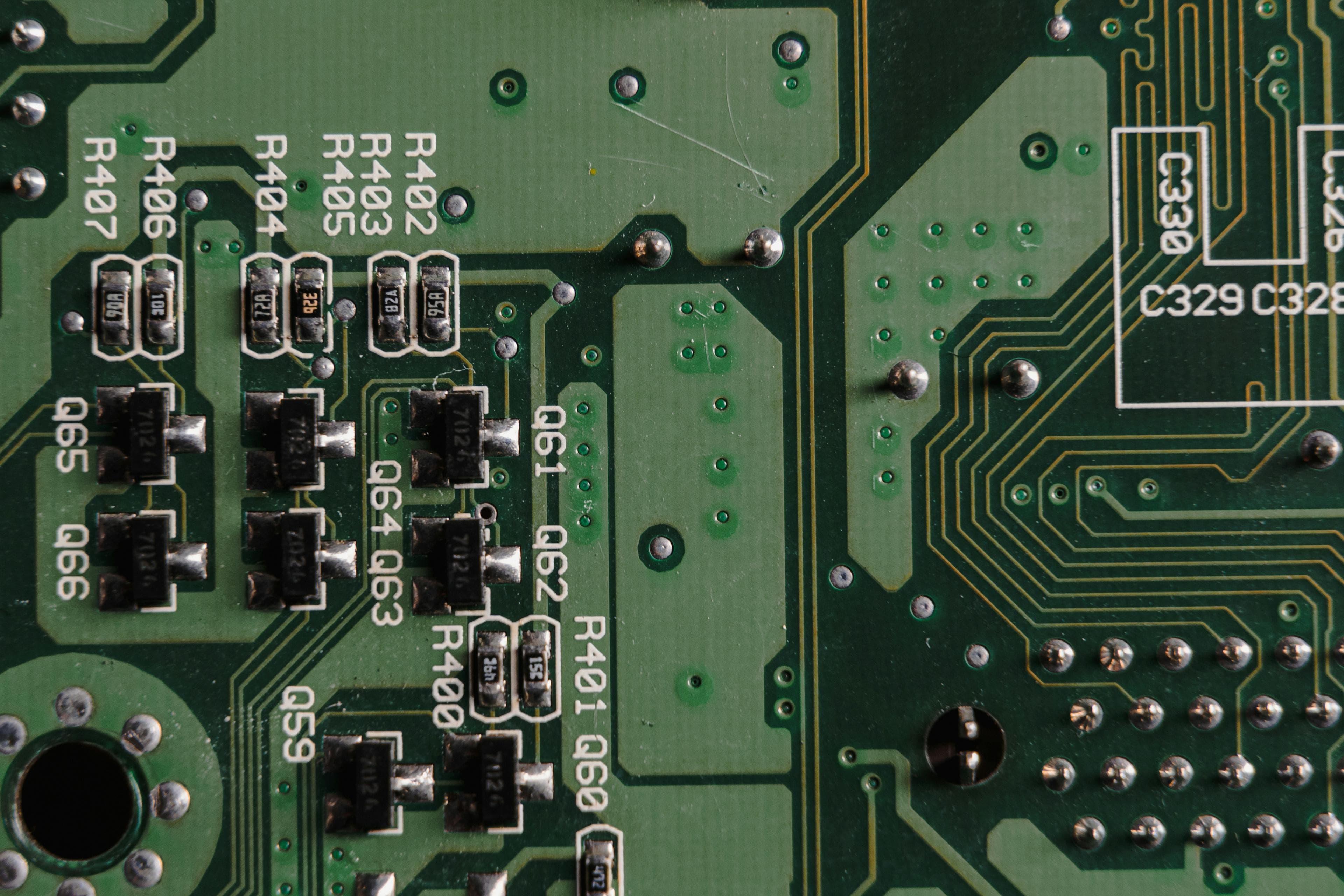
Contamination Types We Detect
Our AI is trained to identify the full spectrum of FOD that affects connector reliability in manufacturing, from obvious metal particles to subtle organic contamination.
See It In Action
Connector Pin Defects & Dust Detection
How we achieved 100% dust detection on high-speed array connectors with infinite debris variations
Related Articles
Stop Shipping Contaminated Connectors
See how Overview AI's anomaly detection finds debris of any type, including contamination you've never seen before.
Book a Demo