Detecting Hydrogen Embrittlement in Phosphor Bronze Contacts: A Machine Vision Walkthrough
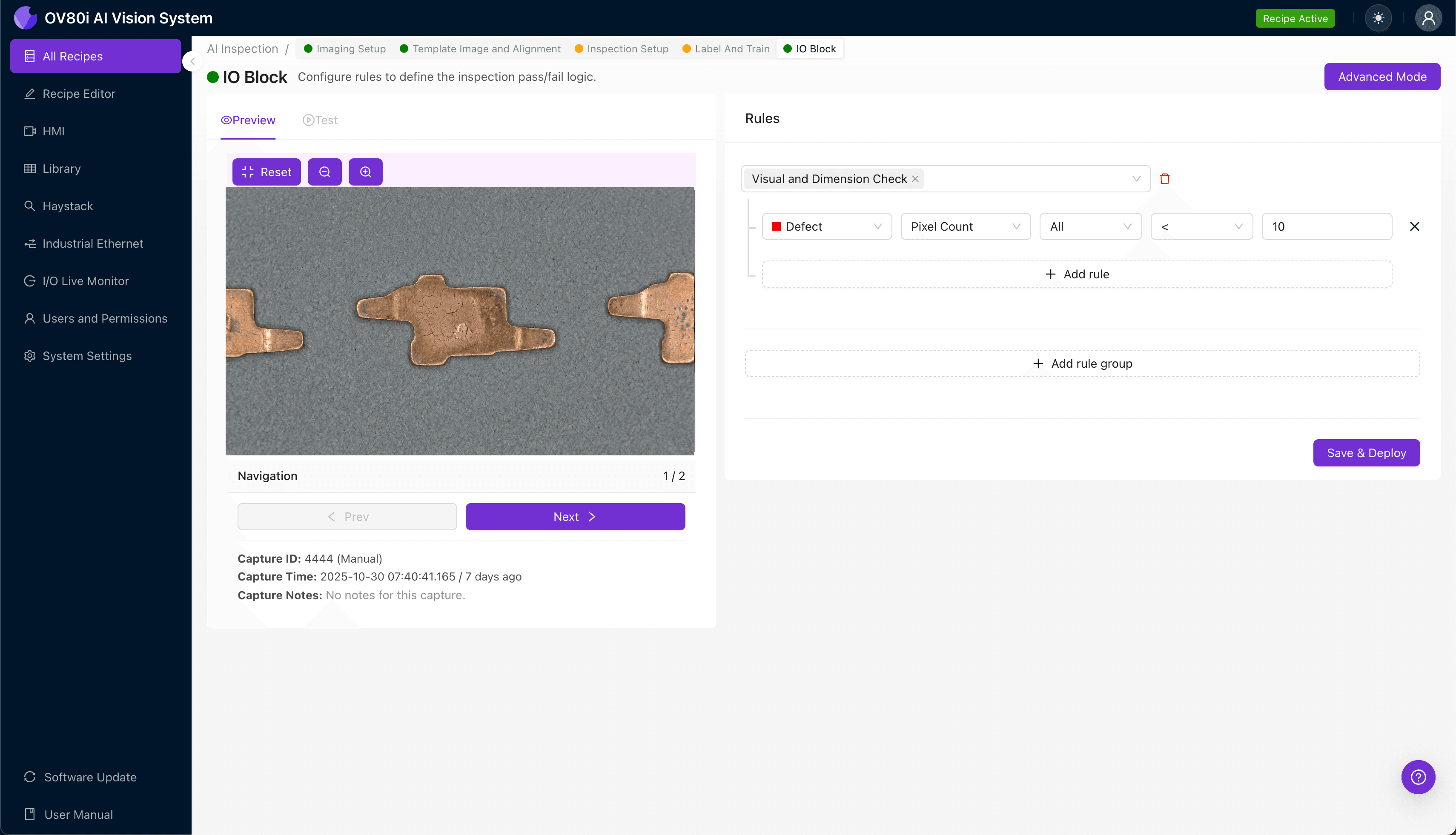
"Hydrogen embrittlement in phosphor bronze contacts causes microscopic defects that escape manual inspection, leading to catastrophic field failures. Overview.ai's machine vision platform detects intergranular microcracking, surface blistering, and plating adhesion failures at full line speed—protecting your customers and your reputation."
The Problem: Why Hydrogen Embrittlement Defects Slip Past Human Inspectors
Phosphor bronze contacts are critical components in electrical connectors, switches, and relay systems where conductivity and spring resilience matter. When hydrogen embrittlement compromises these contacts during manufacturing or plating processes, the resulting defects can cause catastrophic field failures.
Common Defects Associated with Hydrogen Embrittlement in Phosphor Bronze Contacts:
- Intergranular microcracking – Hairline fractures along grain boundaries invisible to the naked eye
- Surface blistering – Small raised areas where trapped hydrogen gas creates subsurface voids
- Delayed brittle fracture – Cracks that propagate post-production, appearing during handling or assembly
- Reduced ductility zones – Areas showing abnormal deformation patterns under stress
- Plating adhesion failures – Flaking or peeling where hydrogen accumulated at the base metal interface
- Stress corrosion cracking – Branching crack networks in high-tension contact spring areas
Manual inspection consistently fails to catch these defects because hydrogen embrittlement damage often manifests at microscopic scales or develops progressively after initial inspection. Inspector fatigue during high-volume production runs leads to inconsistent detection rates, especially when examining thousands of small contacts per shift.
The Solution: AI-Powered Visual Inspection
Machine vision systems equipped with deep learning overcome human limitations by examining every contact with the same objective criteria, regardless of production speed or shift duration. These systems detect subtle surface anomalies and crack patterns that would require magnification and extended focus time for human inspectors.
Overview.ai's approach combines high-resolution imaging with neural networks trained specifically on phosphor bronze contact defects. The result is consistent, objective inspection at full line speed—catching hydrogen embrittlement indicators before defective parts reach assembly or customers.
Step 1: Imaging Setup
Position the phosphor bronze contact under the OV80i camera system, ensuring consistent part orientation using a fixture or conveyor guide. Proper lighting is essential for revealing the subtle surface variations characteristic of hydrogen embrittlement.
Click "Configure Imaging" in the Overview interface to access camera settings. Adjust exposure to highlight surface texture without washout, and fine-tune gain to capture microcracking detail in reflective plated surfaces.
Click "Save" to lock in your imaging parameters for production runs.
Step 2: Image Alignment
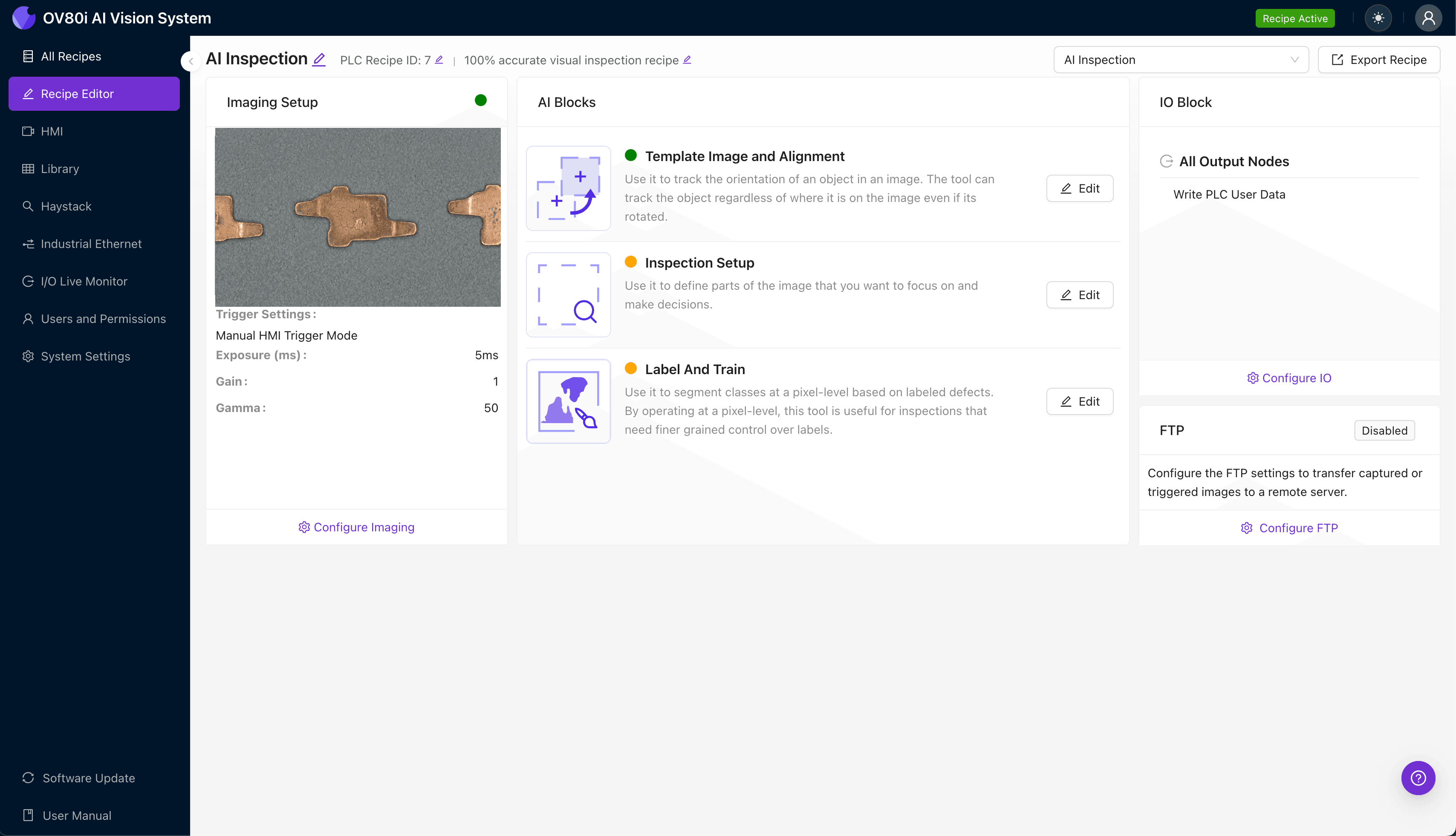
Navigate to the "Template Image" section and capture a reference image of a known-good phosphor bronze contact. This template establishes the baseline geometry the system uses to locate parts consistently.
Click "+ Rectangle" to add an alignment region around the main contact body, encompassing the spring arm and termination point. Set the "Rotation Range" to 20 degrees to accommodate minor part orientation variations on the line.
Step 3: Inspection Region Selection
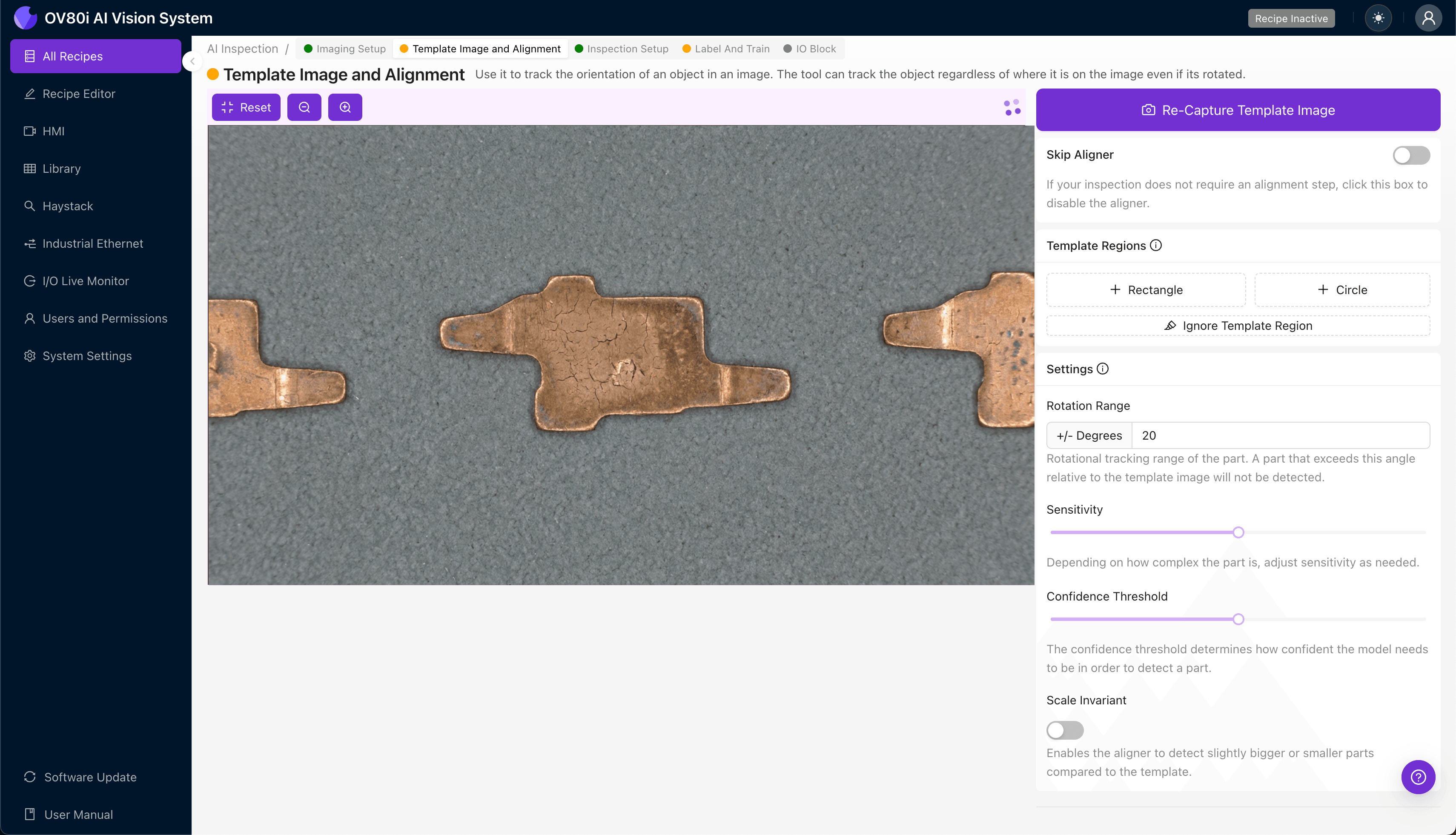
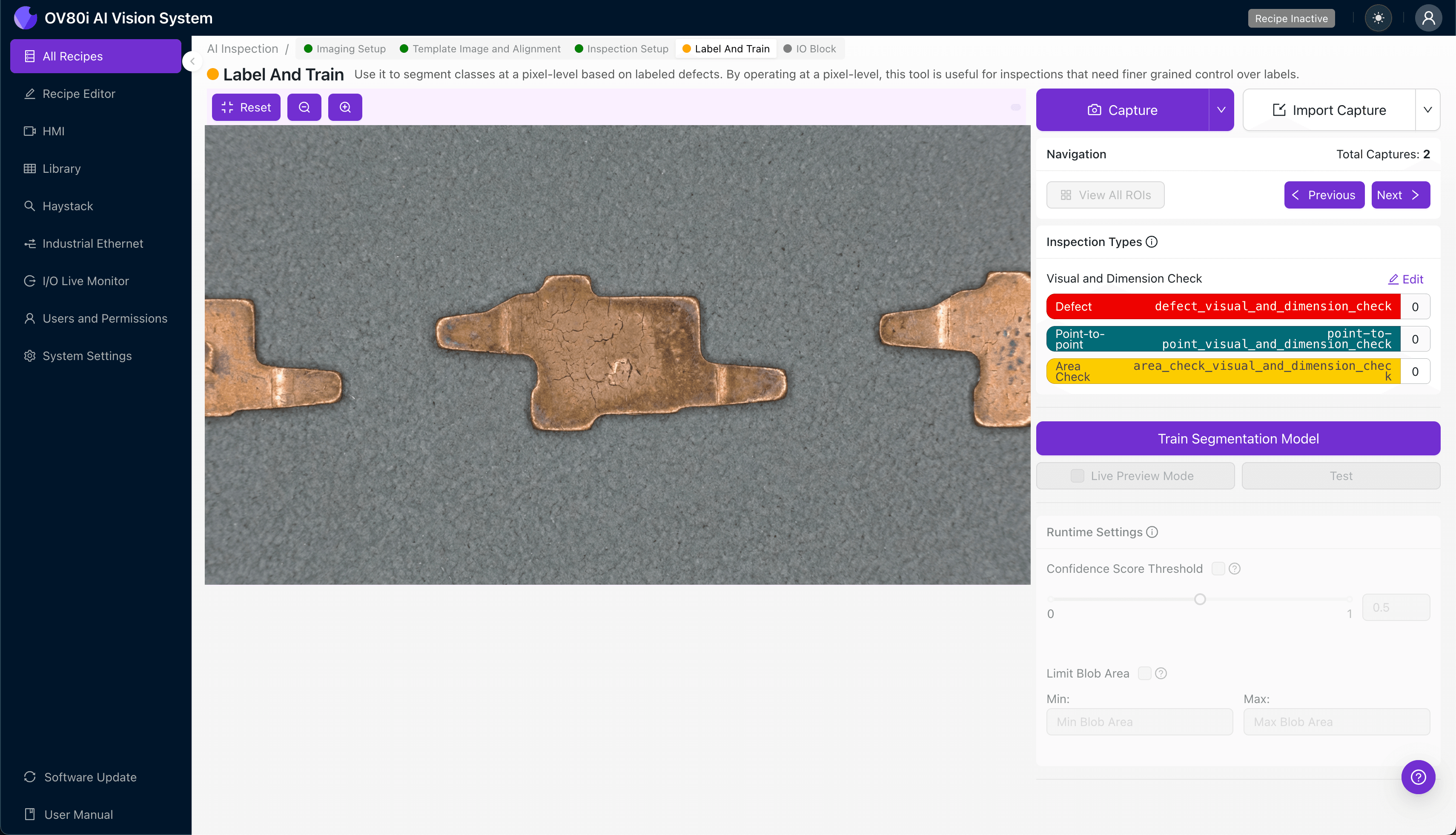
Navigate to "Inspection Setup" to define where the system should look for hydrogen embrittlement defects. Rename your "Inspection Types" with descriptive labels such as "Surface_Cracking," "Blister_Detection," and "Plating_Adhesion."
Click "+ Add Inspection Region" for each critical area. Resize the yellow bounding box to cover high-stress zones like bend radii, spring contact points, and plated surfaces where hydrogen damage concentrates.
Click "Save" after defining all inspection regions.
Step 4: Labeling Data
Overview.ai uses a human-in-the-loop approach where your quality team's expertise trains the AI model. Review captured images and label each contact as "Good" or "Bad" based on your quality standards.
Include representative samples across your full production variation—different suppliers, plating batches, and seasonal conditions. Label known failure modes from warranty returns or customer complaints to ensure the model recognizes real-world defect patterns.
Step 5: Creating Rules
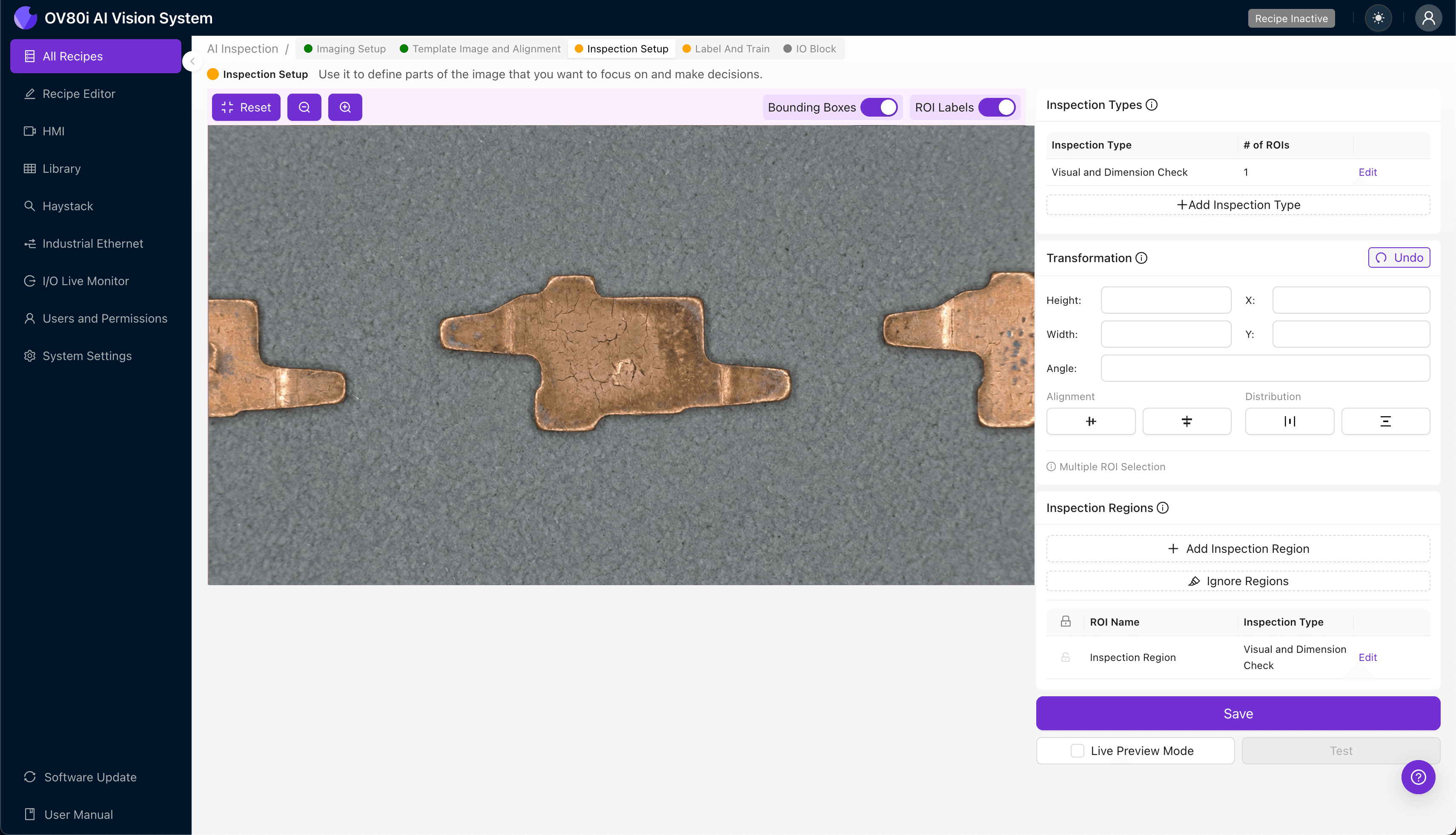
Set pass/fail logic based on your defined Inspection Types and acceptable thresholds. Configure rules such as "Reject if Surface_Cracking confidence exceeds 85%" or "Flag for review if Blister_Detection is uncertain."
Gate automated acceptance on your production line by integrating these rules with reject mechanisms or diverter gates. This ensures only verified-good contacts proceed to assembly.
Key Outcomes & ROI
Implementing AI-powered inspection for hydrogen embrittlement detection delivers measurable business impact:
- Reduced scrap rates – Catch embrittlement defects before value-added assembly operations multiply losses
- Higher throughput – Inspect 100% of contacts at line speed without bottlenecking production
- Compliance and traceability – Maintain complete inspection records for automotive, aerospace, and electronics quality standards (IATF 16949, AS9100)
- Process improvement insights – Correlate defect trends with plating bath chemistry, supplier lots, or environmental conditions to address root causes
Conclusion
Hydrogen embrittlement in phosphor bronze contacts represents a significant quality risk that traditional inspection methods cannot reliably address. Overview.ai's machine vision platform transforms this challenge into a competitive advantage—protecting your customers, your reputation, and your bottom line.
Eliminate Hydrogen Embrittlement Escapes Today
Stop relying on manual inspection for critical phosphor bronze contacts. Deploy Overview.ai to catch hydrogen embrittlement defects instantly.