Computer Vision Solutions for Manufacturing: Finding the Right Fit
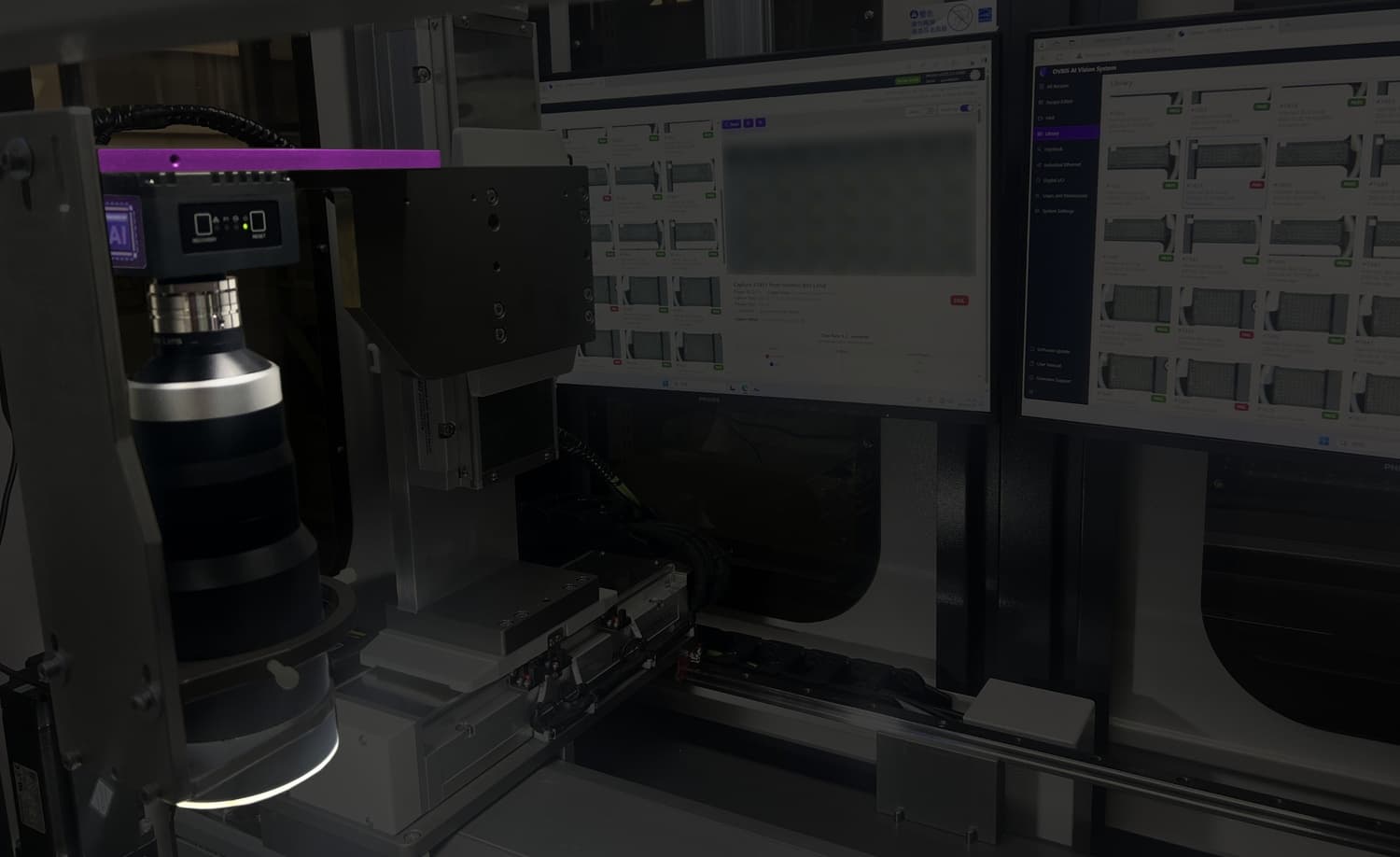
The computer vision market has exploded with options. Traditional machine vision vendors have added AI capabilities, startups offer cloud-based inspection services, and tech giants promote general-purpose vision APIs. For manufacturers seeking computer vision solutions, this abundance of choice can be overwhelming.
This guide helps you navigate the landscape, understand the different approaches, and find the solution that best fits your manufacturing needs.
Understanding Your Options
Computer vision solutions for manufacturing fall into several distinct categories, each with different tradeoffs. Understanding these categories is the first step toward making an informed decision.
Traditional Machine Vision Systems
Traditional machine vision uses rule-based algorithms programmed by engineers. These systems measure dimensions, locate features, read codes, and detect defects by following explicit rules. They're proven, predictable, and work well for structured tasks with consistent products.

However, traditional systems struggle with natural variation. When products have normal differences in color, texture, or position, rule-based systems generate false rejects. When defects take unexpected forms, they're missed. Programming and tuning requires expertise, and every new product or defect type requires additional development.
AI-Powered Vision Systems
AI vision systems learn from examples rather than following programmed rules. Show the system images of good products and various defect types, and it learns to distinguish between them. Deep learning algorithms automatically extract relevant features and make decisions based on patterns learned from data.
These systems excel at handling variation. They understand what constitutes a defect versus acceptable variation in ways that are difficult to program explicitly. They can be updated with new examples as new defect types emerge. However, they require training data and their decision-making is less transparent than rule-based systems.
Cloud-Based Vision Services
Cloud providers offer vision APIs that can classify images, detect objects, and identify defects. Images are uploaded to cloud servers where powerful models process them and return results. These services offer access to sophisticated AI without on-premise hardware.
The tradeoffs include latency (network round-trips add delays), connectivity dependence (inspections stop if internet drops), data privacy concerns (images leave your facility), and ongoing service costs. For high-speed production lines, cloud latency is often prohibitive.
Edge AI Systems
Edge AI combines the power of AI with the reliability of on-premise deployment. AI models run locally on dedicated hardware at the production line, delivering real-time results without cloud dependence. This approach provides the adaptability of AI with the speed and reliability manufacturing demands. Learn more in our edge AI vs cloud AI comparison.
Key Evaluation Criteria
When evaluating computer vision solutions, consider these critical factors:
Detection Accuracy
Can the system reliably detect the defects you care about while avoiding false rejects? Request testing on your actual products and defects.
Speed
Can it inspect fast enough for your line speeds? Include camera acquisition time, processing time, and communication latency in your calculations.
Ease of Use
Who will set up and maintain the system? Solutions requiring data science expertise will be challenging for most manufacturing teams.
Integration
Does it support your industrial protocols? Can it trigger PLCs, interface with SCADA, and integrate with your quality management system?
Reliability
Is it built for factory conditions? Consumer-grade hardware won't survive industrial environments. Check operating temperature ranges and enclosure ratings.
Total Cost
Include hardware, software, integration, training, and ongoing support. Cloud services may appear cheap initially but costs accumulate with volume.
Integrated vs. Component Solutions
Another key decision is whether to purchase an integrated solution or assemble components. The component approach, selecting cameras, lighting, computers, and software separately, offers maximum flexibility but requires significant integration expertise. You become responsible for ensuring compatibility and debugging issues across vendors.
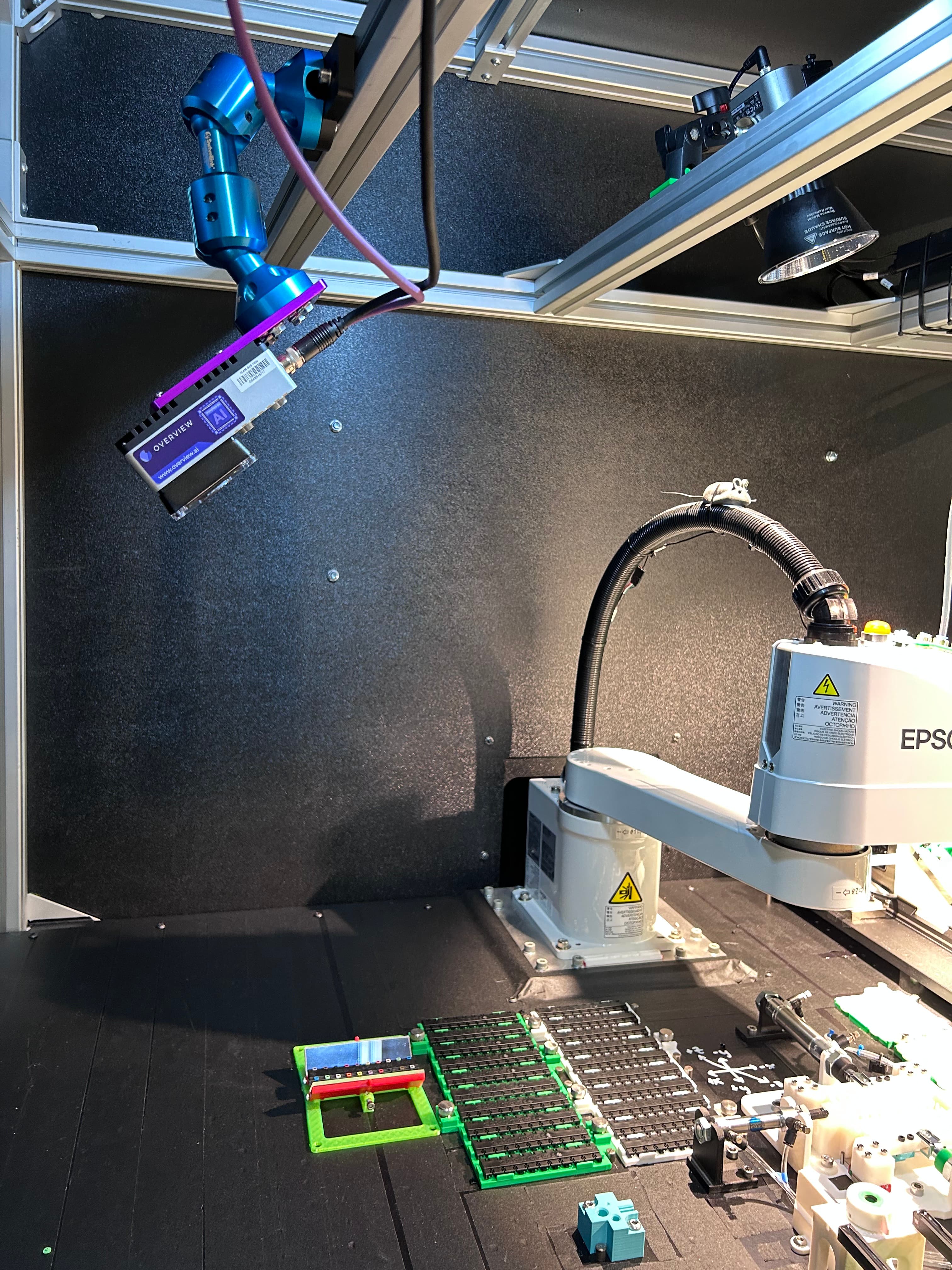
Integrated solutions bundle everything into a tested, supported package. This dramatically simplifies deployment and support; one vendor is accountable for the entire system working correctly. The tradeoff is less flexibility in component selection. For most manufacturing applications, the simplicity of integrated solutions outweighs the flexibility benefits of component approaches.
Questions to Ask Vendors
When evaluating vendors, these questions help separate marketing claims from reality:
- Can we test with our actual products? Benchmark results on generic data mean little. Insist on testing with your specific products and defects.
- How long does deployment take? Get specific timelines and understand what's required from your team.
- What training data is needed? How many images? How must they be labeled? What if we don't have defect samples?
- How do we handle new defects? Can operators update the system, or is vendor involvement required?
- What happens if accuracy degrades? What monitoring and retraining capabilities are available?
- Who provides support? Is support available in your time zone? What response times are guaranteed?
- What's the upgrade path? How will the system evolve? What are the costs for updates?
Matching Solutions to Applications
High-Volume, Standardized Products
For high-volume lines producing standardized products with well-defined defects, traditional machine vision may still be appropriate. The products are consistent, defect types are known, and rule-based inspection can be highly effective. AI adds value when dealing with subtle defects or natural variation.
High-Mix, Lower-Volume
When producing many different products in smaller batches, the setup time for traditional machine vision becomes prohibitive. AI systems that can be trained quickly on new products shine in these environments. Look for solutions that can deploy new inspections in hours, not weeks.
Complex, Variable Products
Products with significant natural variation, such as organic materials, hand-assembled items, or components with acceptable cosmetic differences, demand AI inspection. Rule-based systems can't accommodate this variation without excessive false rejects. AI learns what variation is acceptable and what constitutes a true defect.
Implementation Best Practices
- Start with a pilot: Deploy on one line to learn before scaling. Choose a line with clear pain points and engaged operators.
- Invest in image quality: Even the best AI can't detect defects that aren't visible in images. Lighting and cameras matter enormously.
- Collect comprehensive training data: Ensure your training set includes the full range of normal variation and defect types you expect to encounter.
- Define clear metrics: Agree on how success will be measured before deployment. Track detection rates, false reject rates, and operational reliability.
- Plan for maintenance: AI systems need ongoing attention. Establish processes for monitoring performance and retraining when needed.
Making Your Decision
The right computer vision solution depends on your specific situation. Consider your products, production volumes, existing technical capabilities, and quality challenges. Don't be swayed by impressive demos on other companies' products. What matters is performance on yours.
For most manufacturers, modern edge AI solutions offer the best balance of capability, reliability, and ease of use. They combine the adaptability of AI with industrial reliability, and integrated designs eliminate integration headaches. Solutions from companies like Overview.ai exemplify this approach, providing all-in-one systems designed specifically for manufacturing quality inspection.
Find the Right Fit for Your Factory
See how a modern computer vision solution performs on your actual products with a customized demonstration.
Request a Demo