The Future of Connector Inspection: Achieving Zero-Defect PCBA Manufacturing
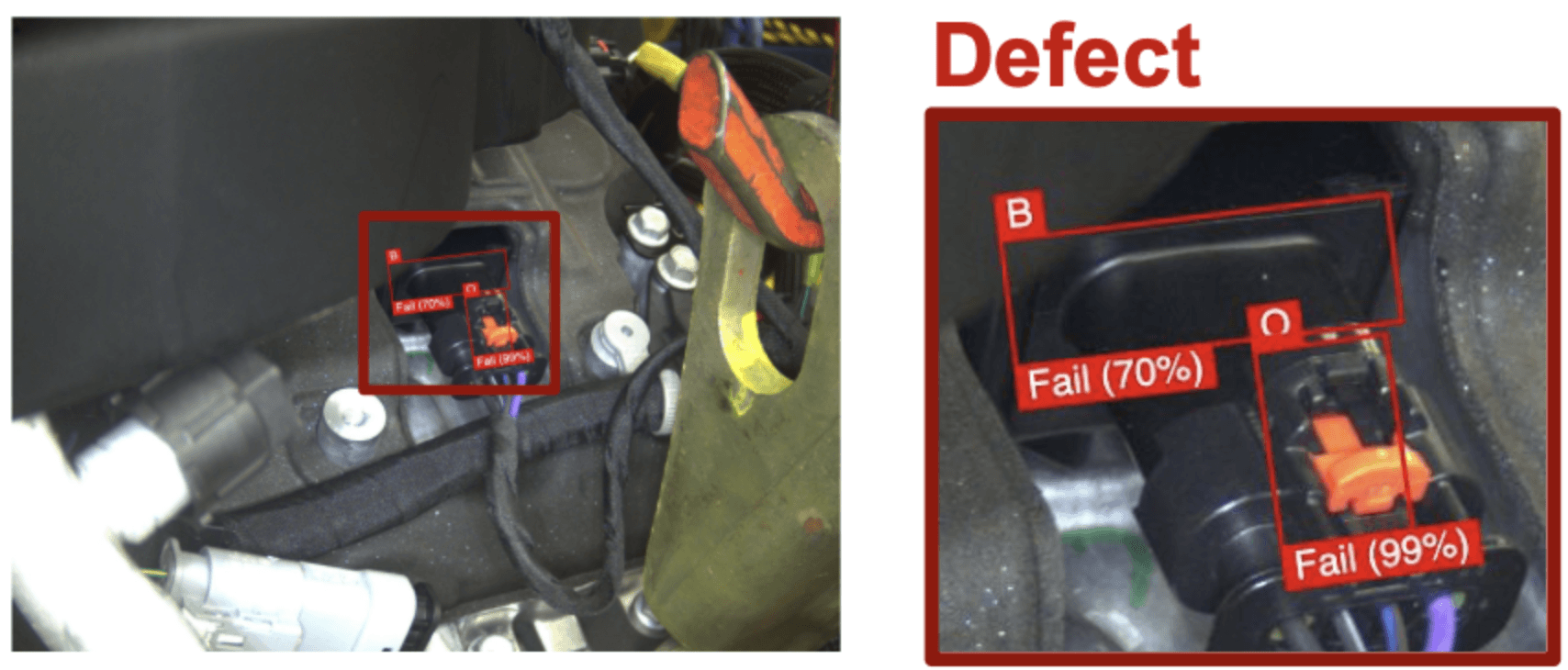
A connector inspection system is an automated AI vision solution that verifies the mechanical and electrical integrity of PCBA connectors during high-speed assembly. Unlike rule-based AOI, AI-powered systems detect sub-millimeter defects like bent pins, improper terminal seating, and solder anomalies — providing 100% quality assurance for Tier-1 manufacturers like Foxconn and Flex.
What is a Connector Inspection System?
A connector inspection system is an automated vision solution designed to verify the mechanical and electrical integrity of PCBA connectors during high-speed assembly. Unlike traditional vision tools, modern AI-powered systems detect sub-millimeter defects like bent pins, improper terminal seating, and subtle solder anomalies that can lead to catastrophic field failures if missed.
While many manufacturers rely on manual oversight or rule-based Automated Optical Inspection (AOI), these methods often struggle with the complexity of modern board-to-board (BTB) connectors. A dedicated inspection system provides 100% quality assurance by identifying:
Bent or Misaligned Pins
Detecting pins that are out of tolerance before they cause board-level damage.
Terminal Seating Issues
Identifying "soft-set" conditions where a terminal is not fully locked into the housing.
Foreign Inclusions
Catching dust, scratches, or plastic burrs that interfere with a secure connection.
By integrating high-resolution sensors with edge AI, these systems provide a "digital safety net" for Tier-1 manufacturing lines at companies like Foxconn and Flex.
Why AI Vision Beats Traditional Rule-Based AOI for Connectors
Traditional rule-based AOI fails in connector inspection because it cannot handle the high degree of visual variation found in reflective metal contacts and complex molded housings. AI vision, powered by deep learning, learns to distinguish between "allowable variation" and "true defects," significantly reducing the false-positive rates that plague older systems.
In the past, vision engineers had to manually program "if/then" rules for every possible defect. This led to several critical bottlenecks:
The "Reflective Surface" Problem
Rule-based systems often generate false alarms due to glare on metal pins; AI models ignore lighting noise to focus on structural integrity.
Subtle "Soft-Seated" Connectors
A connector that is almost seated may pass a rule-based check but fail in the field. AI systems specialize in these non-obvious, low-contrast defects.
Setup Speed
While traditional systems can take weeks to tune, deep learning models can be trained and deployed in under an hour with as few as five to ten sample images.
Integrating AI Inspection into Existing PCBA Lines
Modern AI inspection systems are designed for seamless integration, often requiring only a single Ethernet connection to a PLC to begin communicating pass/fail results to the factory floor. This "drop-in" capability allows manufacturers to modernize their quality control without redesigning their entire production line.
The integration process typically follows three phases:
Image Capture
High-speed smart cameras (like the OV20i) capture high-resolution images of every connector post-insertion.
Edge Processing
An AI inference engine analyzes the images locally on the edge node, ensuring latency is low enough for high-volume lines.
Real-Time Feedback
Results are sent immediately to the line controller, allowing for the automatic rejection of defective units before they move to the next stage of assembly.
Common Questions About AI Connector Inspection
Q: Can AI vision detect bent pins on black plastic housings?
A: Yes. High-contrast lighting paired with deep learning allows the system to distinguish the metallic pin from the dark housing, even in low-light or high-glare environments.
Q: How many images are needed to train the system?
A: Most connector defects can be identified with as few as 10–20 "good" and "bad" example images, allowing for same-day deployment on new product lines.
Q: Does this replace existing AOI machines?
A: It can either replace older systems or act as a specialized "secondary" inspection station specifically for high-risk connectors and terminal seating.
Step-by-Step Connector Inspection Walkthroughs
See exactly how Overview.ai detects these defects in production:
Achieve 100% Quality Assurance Today
Don't let subtle connector defects compromise your brand's reputation. Global leaders like TE Connectivity, Flex, and Foxconn are already leveraging AI vision to eliminate escapes and achieve zero-defect manufacturing.
Schedule a Demo