How to Implement AI Vision Systems in Your Production Line
You've decided AI vision can solve your quality inspection challenges. Now comes the critical part: implementation. A well-executed implementation delivers the promised benefits quickly. A poor one leads to frustration, delays, and sometimes project failure.
This guide walks through the key phases of implementing AI vision systems in manufacturing, with practical advice for each stage.
Phase 1: Planning and Preparation
Define Clear Objectives
Start with specific, measurable objectives. "Improve quality" is too vague. Better: "Reduce customer escapes from 50 per month to under 5" or "Automate inspection of connector pins currently requiring 2 FTEs per shift." Clear objectives guide all subsequent decisions and enable meaningful success measurement.

Document Current State
Before implementing change, document the current state thoroughly. What defects occur and how frequently? What's the current detection rate and escape rate? How much labor is devoted to inspection? What's the false reject rate? This baseline enables measuring improvement.
Assess Feasibility
Not every inspection task is suitable for AI vision. Before committing resources, verify:
- • Visibility: Can defects be seen with appropriate imaging? Some defects require special lighting or imaging techniques.
- • Speed requirements: Can the system inspect fast enough for your line speed?
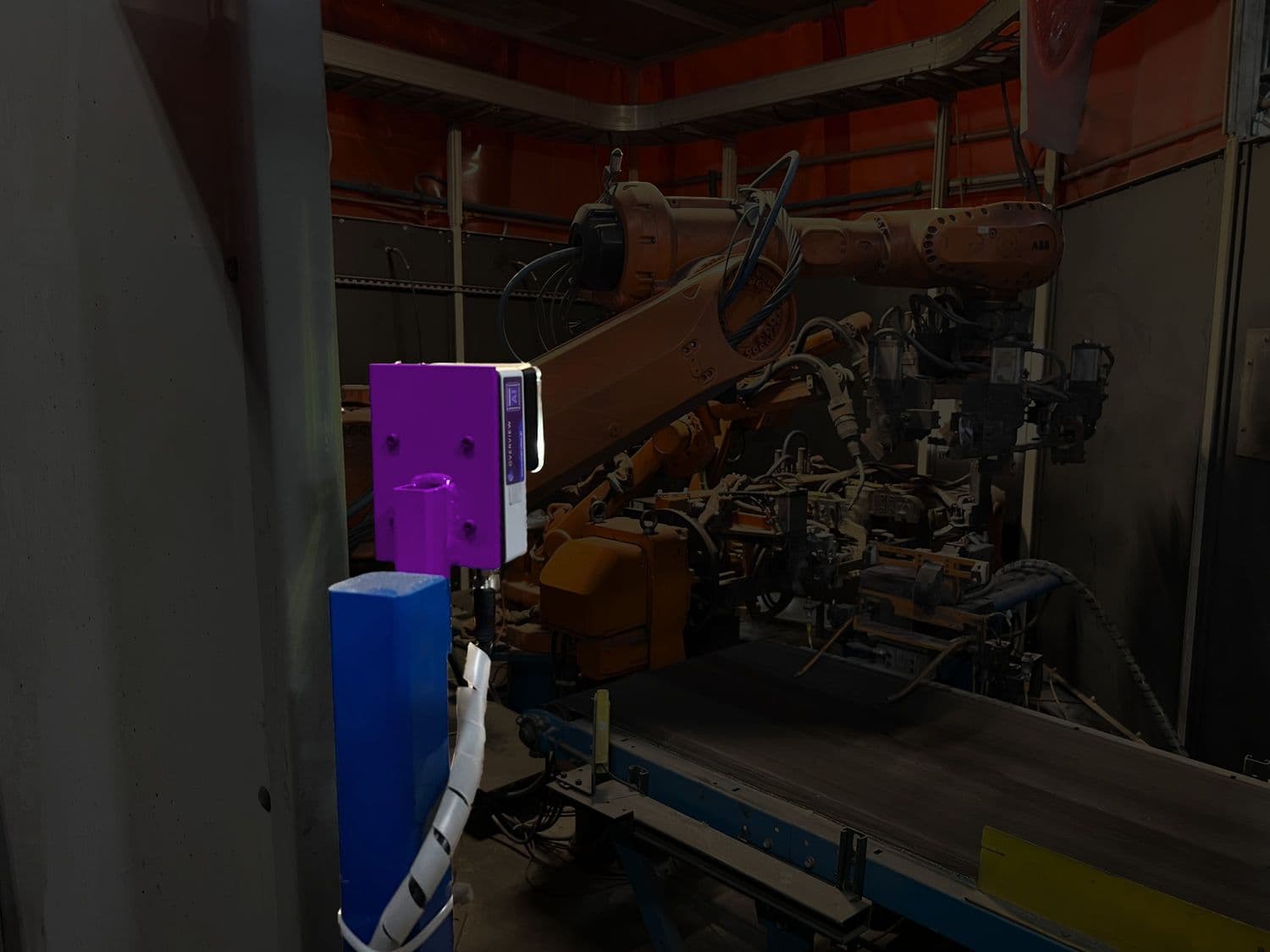
- • Physical constraints: Is there space to mount cameras? Can products be positioned for imaging?
- • Defect prevalence: Can you collect enough examples of each defect type for training?
- • Environmental factors: Are there vibration, temperature, or contamination concerns?
Select the Right Solution
The market offers everything from DIY frameworks to turnkey solutions. Consider your team's capabilities, timeline, and support requirements. For most manufacturers, integrated solutions designed for industrial use deliver faster deployment and better reliability than cobbling together components.
Phase 2: Physical Setup
Lighting Design
Lighting is arguably the most critical factor in vision system success. The right lighting makes defects visible and consistent; poor lighting makes reliable detection impossible regardless of AI capability.
Lighting Principles
- • Light angle affects defect visibility
- • Diffuse vs. direct lighting has different effects
- • Color/wavelength matters for some defects
- • Eliminate or control ambient light variation
Common Approaches
- • Ring lights for even illumination
- • Bar lights for directional highlighting
- • Backlighting for edge detection
- • Dome lights for reflective surfaces
Camera Positioning
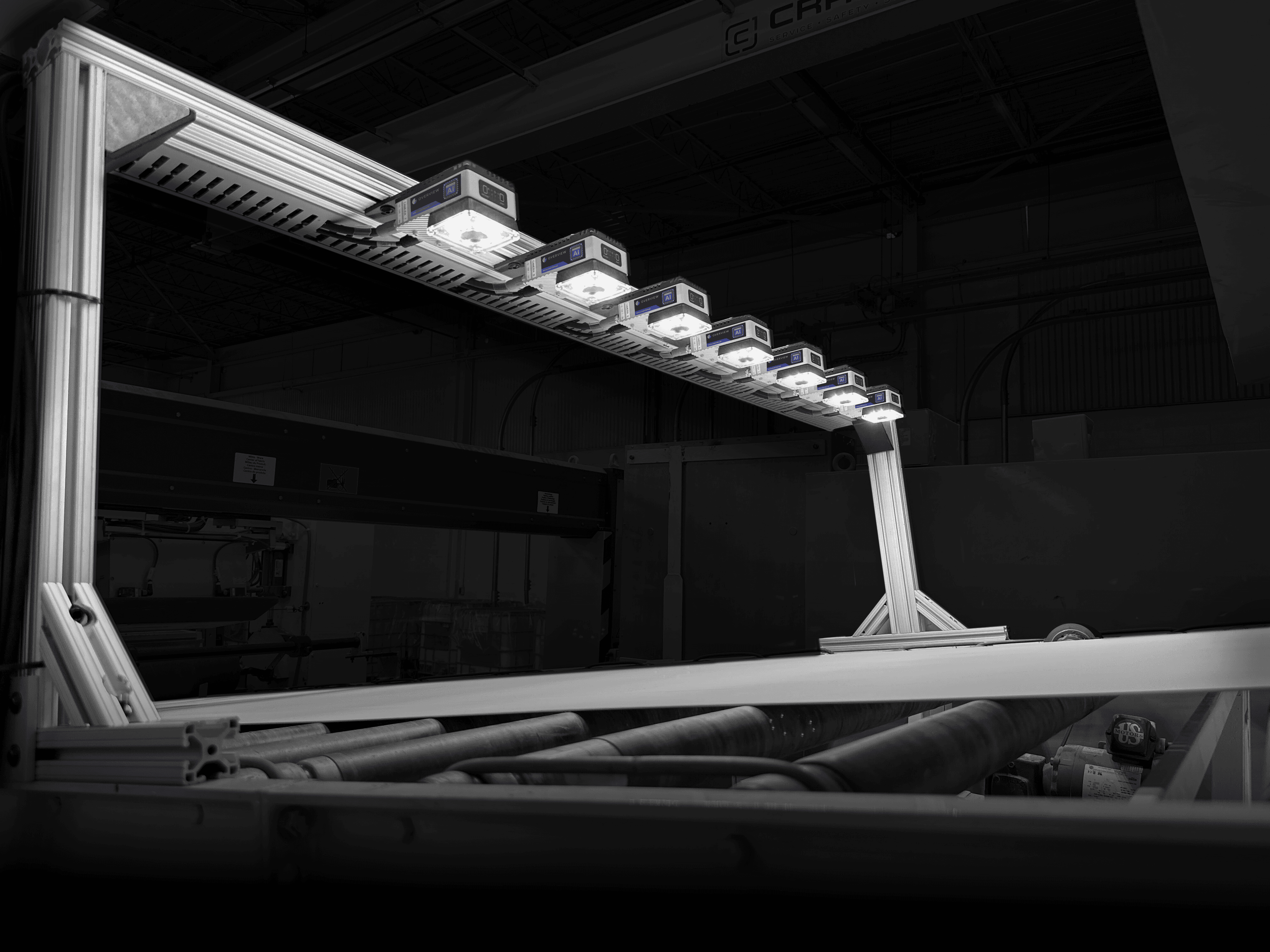
Camera placement determines what's visible and with what resolution. Calculate the field of view needed to capture the inspection area, and ensure camera resolution provides sufficient detail to resolve the smallest defects of interest. Consider whether multiple cameras are needed for complex geometries.
Part Presentation
How will products be presented to the camera? Consistency in positioning improves AI performance. Options include conveyor-based inspection, manual placement, robotic presentation, or inspection within existing fixtures. Each has tradeoffs in speed, consistency, and flexibility.
Phase 3: Training Data Collection
AI systems learn from examples, making training data collection critical to success.
Good Product Images
Collect images of good products that represent the full range of acceptable variation. Include different lots, suppliers, colors, and configurations you produce. The AI needs to understand what "normal" looks like across all its variations.
Defect Images
Collect examples of each defect type you need to detect. This is often the biggest challenge; defects may be rare, and you need enough examples for the AI to learn reliable patterns. Strategies include:
- • Historical collection: Retain defective samples from production over time
- • Intentional creation: Deliberately create representative defects if safe and practical
- • Augmentation: Use software techniques to expand limited defect datasets
- • Transfer learning: Modern AI can learn from fewer examples by transferring knowledge from related tasks
Data Labeling
Images must be labeled to indicate whether they show good products or defects, and what type of defect if applicable. For localization tasks, defect regions must be marked. Accurate labeling directly impacts AI accuracy: garbage in, garbage out.
Phase 4: AI Model Training
With data collected and labeled, training the AI model begins. Modern platforms handle the technical complexity; you don't need to be a data scientist.
Training Workflow:
- 1. Upload images: Load training images into the platform
- 2. Verify labels: Review and correct any labeling errors
- 3. Configure training: Set parameters appropriate for your application
- 4. Train model: The platform trains the neural network (may take minutes to hours)
- 5. Validate results: Test on held-out images to verify accuracy
- 6. Iterate if needed: Add more training data if accuracy is insufficient
Phase 5: Integration
Control System Integration
The vision system must communicate with line control systems to trigger inspections and act on results. This typically involves PLC communication, triggering devices, and reject mechanisms. Look for systems with native support for industrial protocols like EtherNet/IP, PROFINET, and Modbus.

Data System Integration
For maximum value, connect inspection data to MES, quality management, and analytics systems. This enables tracking quality trends, correlating defects with process parameters, and generating quality documentation. APIs and database connections facilitate data flow.
Phase 6: Validation and Go-Live
Parallel Operation
Before relying on the vision system, run it in parallel with existing inspection methods. Compare results to validate detection and false reject rates match expectations. This builds confidence and identifies any gaps before going live.
Acceptance Criteria
Define clear acceptance criteria before go-live. What detection rate must be achieved? What false reject rate is acceptable? How long must the system run reliably? Having objective criteria prevents endless tuning and arguments about readiness.
Operator Training
Train operators to use the system effectively. They need to understand how to respond to alerts, how to verify system operation, when to escalate issues, and basic troubleshooting. Well-trained operators are essential for sustained success.
Phase 7: Continuous Improvement
Go-live isn't the end; it's the beginning of continuous improvement.
Ongoing Activities:
- Monitor performance: Track detection rates, false reject rates, and system availability over time
- Collect edge cases: Save images where the system had difficulty for potential retraining
- Retrain periodically: Update models as new defect types emerge or products evolve
- Expand deployment: Apply learnings to implement on additional lines or applications
- Optimize settings: Fine-tune thresholds and parameters based on production experience
Common Implementation Pitfalls
Learn from others' mistakes:
- Underestimating lighting: More projects fail due to poor lighting than poor AI. Invest appropriately.
- Insufficient training data: Skimping on data collection undermines accuracy. Plan for comprehensive data gathering.
- Ignoring edge cases: Train on the full range of variation you'll encounter in production, not just ideal samples.
- Skipping validation: Don't rush to production. Thorough validation prevents costly problems.
- Neglecting change management: Technical success requires organizational adoption. Engage stakeholders early.
Accelerating Implementation
Implementation timelines vary dramatically based on solution choice and application complexity. DIY approaches using open-source tools can take months of engineering effort. Integrated solutions designed for manufacturing can deploy in days.
Platforms from companies like Overview.ai are purpose-built for rapid deployment. Integrated cameras, processing, and software eliminate integration complexity. User-friendly interfaces make training accessible without data science expertise. Industrial design ensures reliability in factory environments. Support teams experienced in manufacturing accelerate successful implementation.
Ready to Implement AI Vision?
Get guidance on implementing AI vision in your production environment with a consultation from our experienced team.
Request a Consultation