Vision Systems for Manufacturing: A Complete Guide
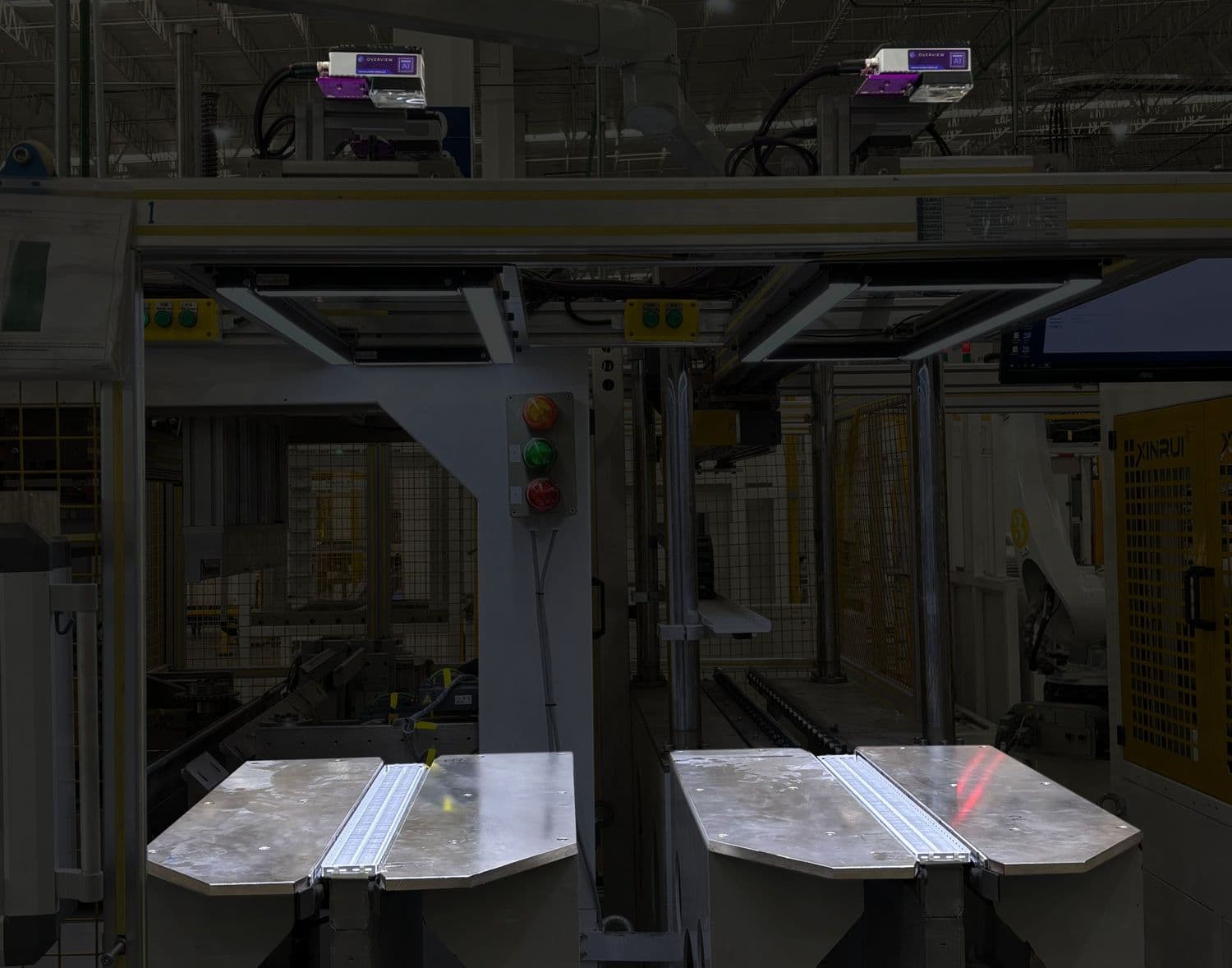
Vision systems have become indispensable in modern manufacturing. From simple presence detection to complex quality inspection, these systems use cameras and image processing to automate visual tasks that once required human eyes. This guide provides a comprehensive overview of vision systems for manufacturing professionals.
What Is a Vision System?
A vision system is an integrated combination of hardware and software that captures and analyzes images to make decisions or measurements. In manufacturing, vision systems inspect products, guide robots, read codes, measure dimensions, and verify assembly, tasks that require "seeing" and interpreting visual information.
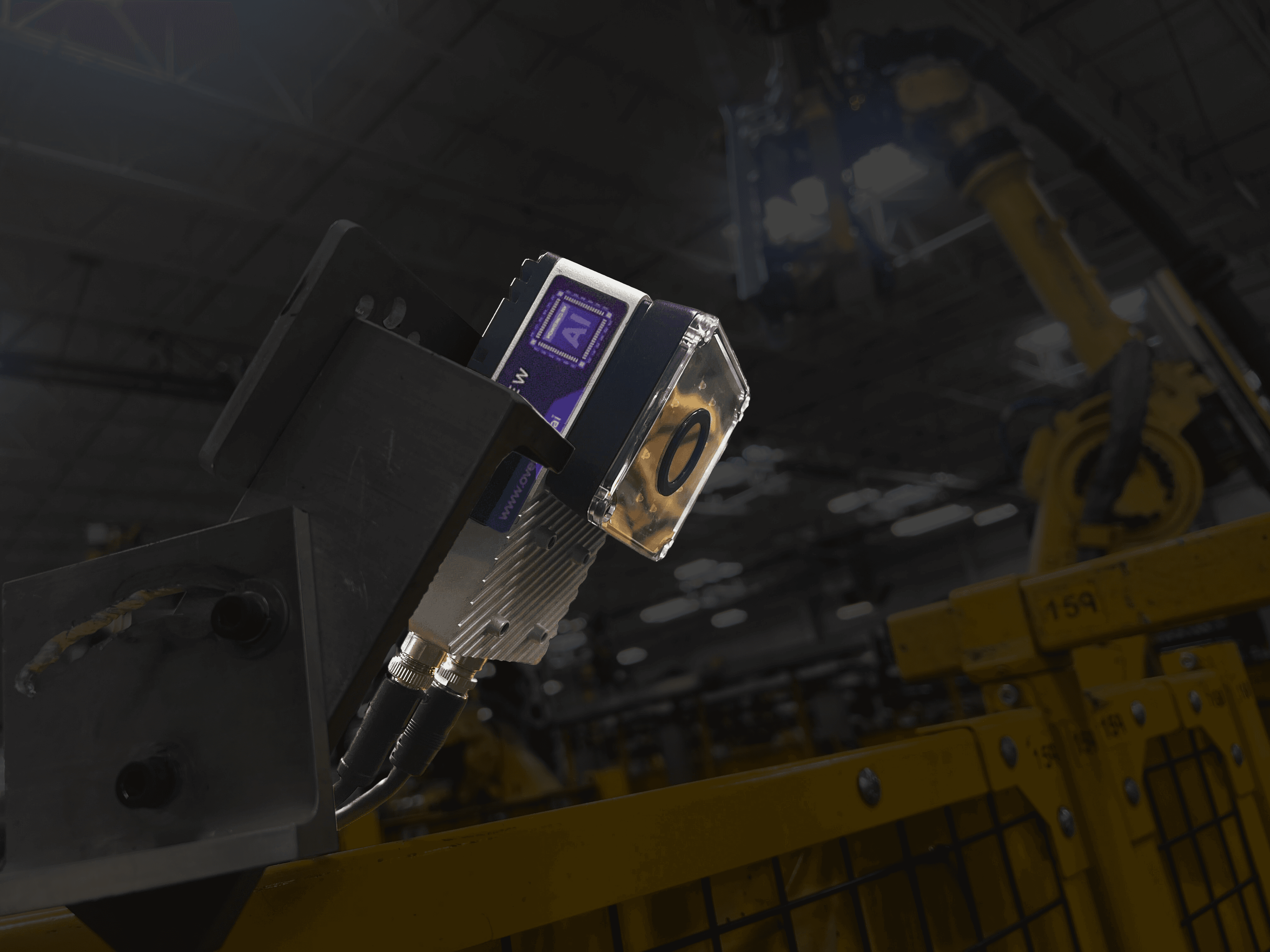
Unlike human vision, which is subjective and prone to fatigue, vision systems provide objective, consistent, and tireless visual analysis. They can inspect products at speeds impossible for humans, operate continuously without breaks, and apply identical criteria to every inspection.
Core Components of a Vision System
Cameras
The camera is the "eye" of the vision system, capturing images of products for analysis. Industrial cameras differ significantly from consumer cameras; they're built for reliability, precise triggering, and integration with industrial systems.
Area Scan Cameras
Capture complete 2D images in a single exposure. Ideal for inspecting discrete parts that can be positioned in the field of view.
Line Scan Cameras
Capture one line of pixels at a time, building images as products move past. Perfect for continuous materials like web, sheet, or conveyed products.
3D Cameras
Capture depth information in addition to 2D images. Enable measurement of height, volume, and 3D shape analysis.
Smart Cameras
Integrate camera, processor, and software into a single unit. Simplified deployment for standalone inspection tasks.
Lighting
Lighting is arguably the most critical component of a vision system. Proper lighting reveals the features you need to inspect while minimizing features that could confuse analysis. Poor lighting makes reliable inspection impossible regardless of camera or software quality.
Common Lighting Techniques:
- Front lighting: Illuminates surface features, good for color and texture inspection
- Backlighting: Silhouettes objects against bright background, ideal for edge detection and dimensional measurement
- Diffuse lighting: Soft, even illumination that minimizes glare on reflective surfaces
- Structured lighting: Projects patterns onto surfaces to reveal 3D shape and surface defects
- Dark field lighting: Low-angle illumination that highlights surface scratches and defects
Optics
Lenses focus light onto the camera sensor. The choice of lens determines field of view (how much area the camera sees), working distance (how far from the object), and resolution (how much detail is captured). Selecting appropriate optics is essential for achieving required inspection accuracy.
Processing Hardware
Vision systems require computing power to process images and make decisions. This ranges from embedded processors in smart cameras to dedicated industrial PCs for complex multi-camera systems. Processing power determines how fast images can be analyzed.
Software

Vision software analyzes captured images to extract information and make decisions. Traditional software uses programmed algorithms, including edge detection, pattern matching, and blob analysis, to perform specific tasks. Modern software increasingly incorporates machine learning for more flexible analysis.
Manufacturing Applications
Quality Inspection
The most common application: examining products for defects. Vision systems detect surface flaws, verify color and appearance, check for contamination, and identify damaged products. Inspection can be simple (is the cap present?) or complex (are there any scratches on this automotive panel?). Explore surface inspection applications.
Measurement and Gauging
Vision systems measure product dimensions without physical contact. They verify lengths, widths, diameters, angles, and positions. Non-contact measurement is faster than manual gauging and doesn't risk damaging delicate products.
Identification and Tracking
Reading barcodes, QR codes, data matrix codes, and OCR (optical character recognition) enables product tracking and traceability. Vision systems read codes at high speeds, even when damaged or poorly printed, and verify that correct information is printed.
Robot Guidance
Vision-guided robotics uses cameras to locate parts and guide robot movements. Instead of requiring parts in precise positions, robots can find and pick parts from varying locations, enabling more flexible automation.
Assembly Verification
Verifying that assemblies are complete and correct, with all components present, properly positioned, and correctly oriented. Assembly verification catches errors before products ship to customers.
Selecting a Vision System
Choosing the right vision system requires matching capabilities to application requirements:
Key Selection Criteria:
- Resolution requirements: What's the smallest feature you need to detect or measure? This drives camera resolution and optics selection.
- Speed requirements: How fast must inspection occur? This affects camera type, exposure time, and processing power.
- Field of view: How large an area must be inspected? Determines lens selection and potentially need for multiple cameras.
- Environment: Temperature, vibration, contamination, and other environmental factors affect component selection.
- Integration: How will the system communicate with other equipment? Industrial protocols, I/O, and data interfaces matter.
- Ease of use: Who will set up and maintain the system? This affects software and platform selection.
System Architectures
Smart Camera Systems
Self-contained units with camera, processor, and software in one package. Easy to deploy for single-point inspection tasks. Limited by the processing power and flexibility that can fit in a compact form factor.
PC-Based Systems

Separate cameras connected to industrial PCs running vision software. More flexible and powerful than smart cameras. Can handle multiple cameras and complex processing. Requires more integration effort.
Integrated Systems
Purpose-built systems that combine camera, processing, software, and sometimes lighting into tested, supported packages. Simplify deployment by eliminating component selection and integration. Trade some flexibility for ease of implementation.
Implementation Best Practices
- Start with lighting: Get lighting right before worrying about cameras or software. Most vision problems are actually lighting problems.
- Define clear requirements: What exactly must be detected or measured? What speeds are required? What accuracy is needed?
- Test with real samples: Use actual production parts, including the full range of acceptable variation and known defects.
- Plan for maintenance: Vision systems need ongoing attention. Plan for cleaning, calibration, and adjustment.
- Consider total cost: Include integration, training, and maintenance, not just hardware purchase price.
- Involve operators: The people who will use and maintain the system should be involved in selection and implementation.
The Evolution of Vision Systems
Vision systems continue to evolve rapidly. Traditional rule-based systems are being augmented and sometimes replaced by learning-based approaches that can handle more complex, variable inspection tasks. Processing power continues to increase while costs decrease. Cameras offer higher resolution and faster speeds. Integration becomes simpler with standardized interfaces.
Modern vision platforms like those from Overview.ai combine the latest imaging technology with advanced processing in integrated packages designed for manufacturing. These systems simplify deployment while delivering capabilities that would have required custom engineering just a few years ago.
Explore Vision System Solutions
See how modern vision systems can address your manufacturing inspection challenges with a personalized demonstration.
Request a Demo