2026 Vision System Guide for Manufacturers
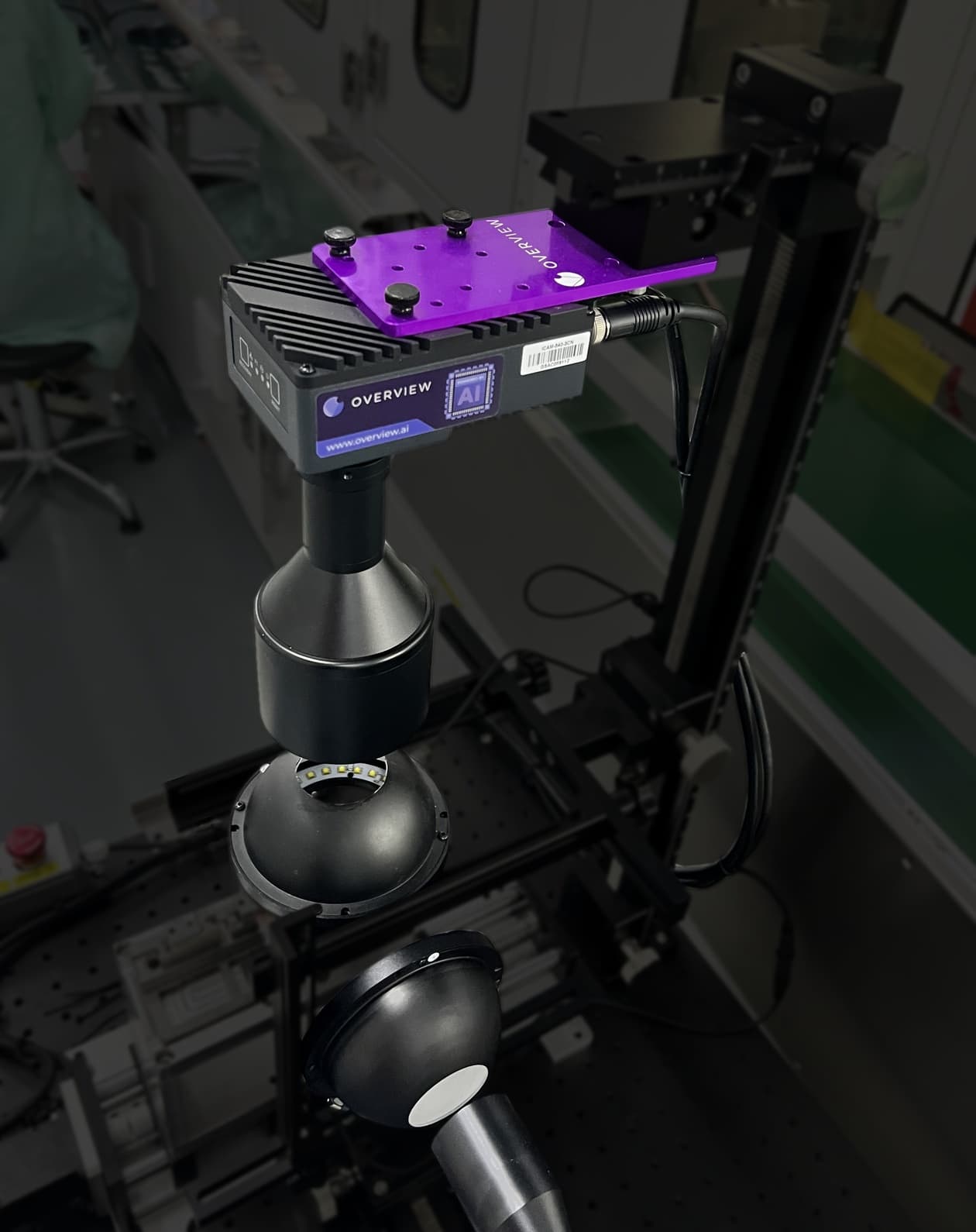
The vision system landscape continues to evolve rapidly. What was cutting-edge in 2024 is now mainstream, and new capabilities are emerging that change what's possible in manufacturing inspection. This guide provides an up-to-date overview of vision systems in 2026, covering what's available, what's changing, and how to make the right choice for your manufacturing operation.
The State of Vision Systems in 2026
Vision system technology has matured significantly. High-resolution sensors are affordable. Processing power is abundant. Software has become more accessible. The barriers that once made vision systems the domain of specialists have largely fallen.

At the same time, manufacturing demands have increased. Quality requirements are tighter. Labor is harder to find. Production speeds are faster. The need for vision systems has never been greater, and the options have never been more diverse.
Key Technology Trends in 2026
Higher Resolution, Lower Cost
Sensor technology continues its relentless improvement. Cameras that cost thousands of dollars a few years ago now cost hundreds. 20+ megapixel industrial cameras are common and affordable. This enables inspection of finer details and larger areas without multiple cameras.
Integrated Intelligence
The boundary between traditional rule-based machine vision and learning-based approaches has blurred. Most modern platforms offer both, allowing users to choose the best approach for each inspection task. Learning-based methods handle variable, complex inspections while traditional algorithms provide precise measurement and code reading.
Edge Processing Power
Embedded processors and accelerators now deliver computing power that once required dedicated servers. Complex vision processing happens locally, at the production line, without cloud connectivity. This enables real-time inspection with the reliability manufacturing demands.
Simplified Deployment
Vision systems are easier to deploy than ever. No-code and low-code interfaces enable operations staff to configure inspections without programming expertise. Integrated systems combine cameras, lighting, and processing into packages that deploy in hours rather than weeks.
Types of Vision Systems Available
Smart Cameras
Self-contained camera, processor, and software in one unit.
Best for: Simple, single-point inspections with limited space
PC-Based Systems
Separate cameras connected to industrial computers.
Best for: Complex inspections requiring multiple cameras or heavy processing
Integrated Platforms
Purpose-built systems combining all components.
Best for: Fast deployment with minimal integration effort
Vision Sensors
Simplified devices for basic detection tasks.
Best for: Simple presence/absence and positioning applications
2026 Selection Criteria
When evaluating vision systems today, consider these updated criteria:
Flexibility and Adaptability
Manufacturing environments change. New products, new defects, new requirements emerge. Systems that can adapt through retraining or reconfiguration, without expensive reprogramming, deliver better long-term value. Look for platforms that make changes easy.
Total Cost of Ownership

Purchase price is just the beginning. Factor in integration costs, training time, ongoing maintenance, and the cost of changes. Systems that appear expensive upfront may be cheaper over their lifetime if they're easier to deploy, maintain, and modify.
Data and Analytics
Vision systems generate valuable data. The best platforms make it easy to access, analyze, and act on inspection data. Consider how data will flow to MES, quality systems, and analytics tools. Data-driven insights amplify the value of vision investment.
Industrial Integration
Native support for industrial protocols (EtherNet/IP, PROFINET, Modbus, OPC UA) simplifies integration with existing automation. Systems designed for manufacturing environments understand the communication patterns and reliability requirements of production.
Support and Longevity
Vision systems are long-term investments. Evaluate the vendor's stability, support capabilities, and commitment to the product. Will they be around in 5-10 years? Can they support your applications as they evolve? Contact us to discuss your requirements.
Implementation Best Practices for 2026
- Start with clear objectives: Define what success looks like before selecting technology. Measurable goals enable meaningful evaluation.
- Prioritize lighting: Even in 2026, lighting remains the most critical factor in vision system success. Invest in proper illumination design.
- Test with real products: Insist on evaluation with your actual products and defects. Demo performance on generic samples doesn't predict real-world results.
- Plan for data: Consider how you'll collect training data (if using learning-based methods) and how inspection data will be used downstream.
- Involve stakeholders early: Operations, quality, engineering, and IT all have perspectives that should inform selection and implementation.
- Start focused, then expand: Prove value on one application before broad deployment. Success breeds success.
Common Applications in 2026
Vision systems address a wide range of manufacturing needs:
- Surface inspection: Detecting scratches, dents, contamination, and cosmetic defects
- Assembly verification: Confirming components present, positioned, and oriented correctly
- Dimensional measurement: Non-contact gauging of critical dimensions
- Code reading: Barcodes, 2D codes, and text recognition for traceability
- Robot guidance: Locating parts for pick-and-place and assembly operations
- Label inspection: Verifying label presence, position, and content
- Packaging verification: Checking fill levels, seal integrity, and package completeness
- Weld inspection: Analyzing weld quality for porosity, cracks, and geometry
What to Expect Going Forward
Vision system capabilities will continue advancing. Expect:
More Accessible Intelligence
Learning-based inspection will become even easier to deploy, requiring less data and expertise.
Better Integration
Tighter connections between vision systems, automation, and enterprise software.
Enhanced 3D Capabilities
3D inspection becoming more affordable and easier to implement.
Predictive Quality
Vision data feeding predictive models to prevent defects, not just detect them.
Making Your Decision
The right vision system depends on your specific situation: your products, your quality challenges, your technical capabilities, and your strategic goals. There's no one-size-fits-all answer.
What's clear is that vision systems are no longer optional for competitive manufacturing. The question isn't whether to implement vision, but which approach delivers the best results for your applications.
Platforms like Overview.ai represent the current state of the art, integrated systems that combine advanced capabilities with practical ease of deployment. They offer a starting point for manufacturers who want to implement vision systems without months of custom engineering.
Ready to Explore Vision Systems?
Get a personalized assessment of how modern vision systems can address your manufacturing challenges.
Request a Consultation