Laser Weld Inspection for Connector Manufacturing
Real-time weld quality verification ensuring every joint meets strength and conductivity requirements. Catch porosity, incomplete fusion, and spatter before they become field failures.
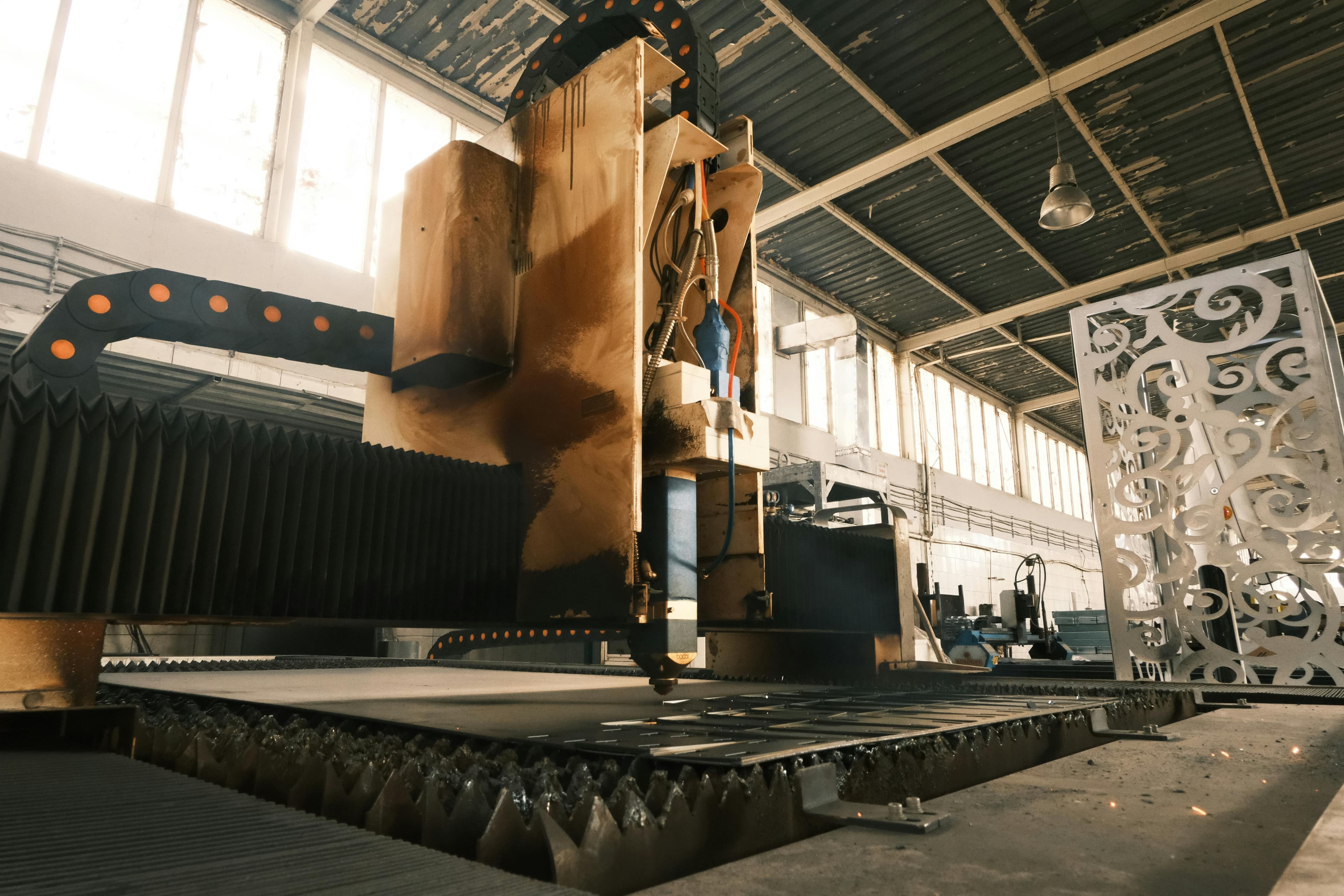
Why Laser Weld Quality Matters
Laser welding is increasingly used in connector manufacturing for its precision, speed, and ability to join dissimilar metals. But the same characteristics that make laser welding attractive (high energy density and small heat-affected zones) also make defects harder to detect. From terminal-to-wire bonds to hermetic seal welds on aerospace connectors, laser welding has become essential for modern interconnect manufacturing.
A weld that looks perfect to the naked eye can hide internal porosity, incomplete penetration, or microcracks that compromise both mechanical strength and electrical conductivity. In high-reliability applications like automotive EV battery connections, medical implant leads, or aerospace harnesses, these hidden defects can lead to catastrophic failures. The connector industry demands joints that maintain consistent contact resistance through millions of mating cycles and extreme thermal cycling.
Modern connector welding encompasses multiple processes: resistance welding for terminal crimps, ultrasonic welding for aluminum wire bonds, and fiber laser welding for precision terminal joints. Each presents unique inspection challenges. Copper and aluminum alloys have different optical properties. High-reflectivity gold plating creates glare. Miniaturized welds on fine-pitch connectors are nearly microscopic. Overview AI handles all of these with deep learning that adapts to your specific materials and processes.
- !Porosity can reduce weld strength by up to 50% and increase electrical resistance
- !Spatter and debris can cause short circuits in assembled products or contaminate adjacent cavities
- !Manual inspection catches less than 60% of critical defects, especially subsurface porosity
- !Cold welds and incomplete fusion may not be visible but fail under thermal stress
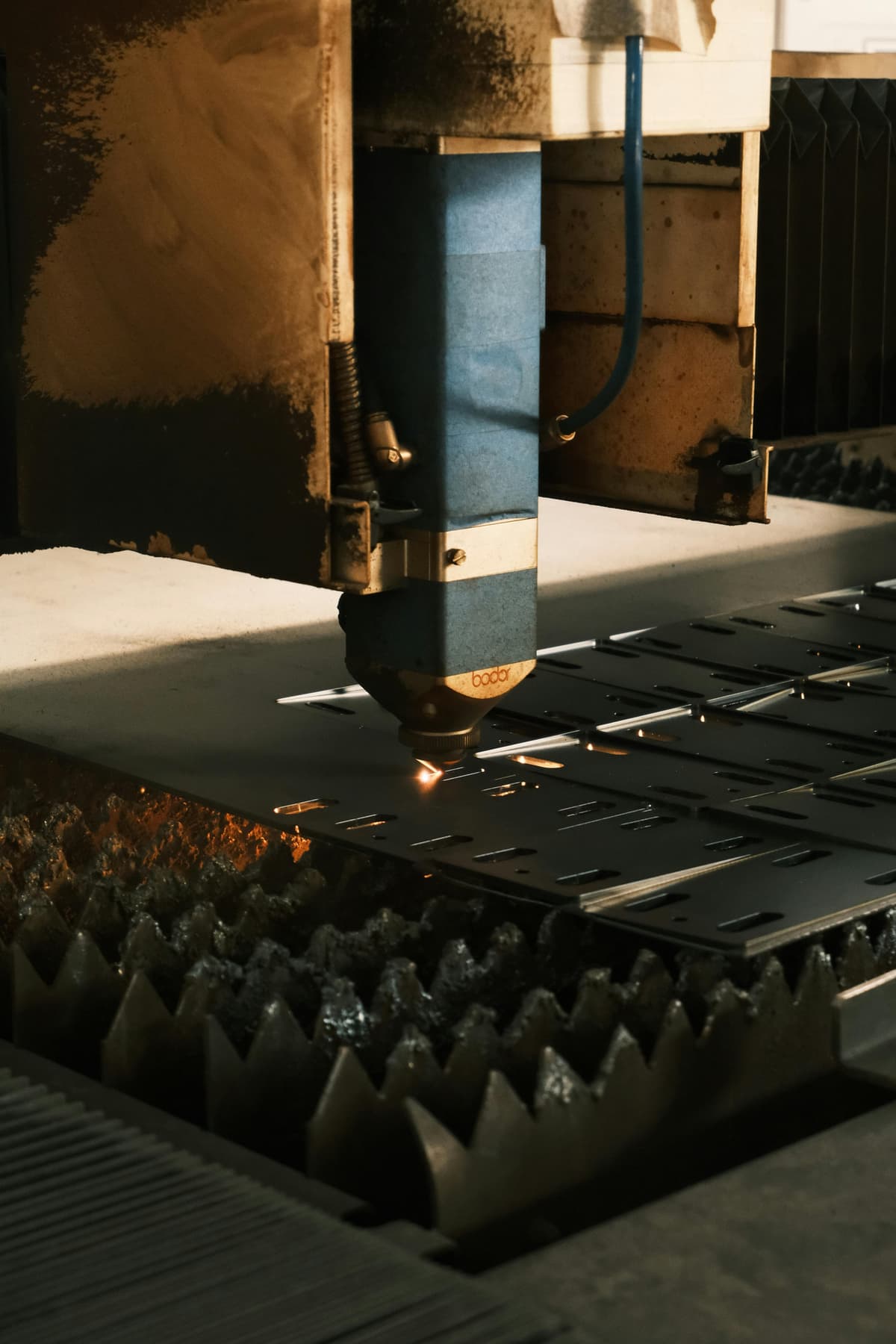
Laser Welding Applications in Connector Manufacturing
EV Battery Connectors
High-current busbar welds, cell-to-cell connections, and battery management system terminals require 100% weld integrity for safety and performance.
Wire Harness Terminals
Laser-welded wire-to-terminal bonds for automotive harnesses, replacing traditional crimping for improved reliability and conductivity.
Hermetic Seal Connectors
Aerospace and military connectors with laser-sealed housings that must maintain pressure integrity in extreme environments.
Medical Device Leads
Implantable device connections where weld quality is literally life-critical, requiring 100% inspection and full traceability.
RF Coaxial Connectors
Precision laser welds on shield terminations and center conductor bonds that maintain signal integrity at high frequencies.
Power Connector Busbars
High-amperage power distribution connectors with welded busbars requiring consistent cross-sectional area for proper current carrying.
How Overview AI Transforms Weld Inspection
Our AI models are trained on thousands of weld images to recognize the subtle visual signatures of defects that human inspectors and rule-based systems miss. Because we use deep learning rather than programmed rules, the system adapts to your specific materials, weld parameters, and quality standards. From copper-to-aluminum dissimilar metal welds to precision gold-plated terminal bonds, Overview AI learns the unique characteristics of your welding process.
Unlike traditional weld monitoring that only tracks process parameters, Overview AI directly inspects the resulting weld for quality. This catches defects caused by material variations, fixturing issues, or environmental factors that process monitoring alone cannot detect. Our system integrates with your laser welding cells, ultrasonic bonders, or resistance welding stations to provide 100% post-weld verification at production speeds.
Surface & Subsurface Detection
Identify porosity, cracks, and incomplete fusion using visual patterns that correlate with internal defects, catching issues that destructive testing would find
Process Feedback
Trend analysis helps you optimize laser parameters, electrode wear, and weld schedules before defects occur, enabling predictive maintenance
In-Line Speed
Inspect every weld in real-time without slowing your production line, matching cycle times as fast as 0.5 seconds per weld
IATF 16949 Compliance
Full traceability with image archiving, supporting automotive quality system requirements for weld inspection documentation
Multi-Material Support
Trained to inspect welds on copper, aluminum, nickel, gold-plated, and tin-plated connector materials with equal accuracy
Weld Schedule Optimization
AI-driven insights help you optimize power, pulse duration, and focus parameters for each terminal and wire combination
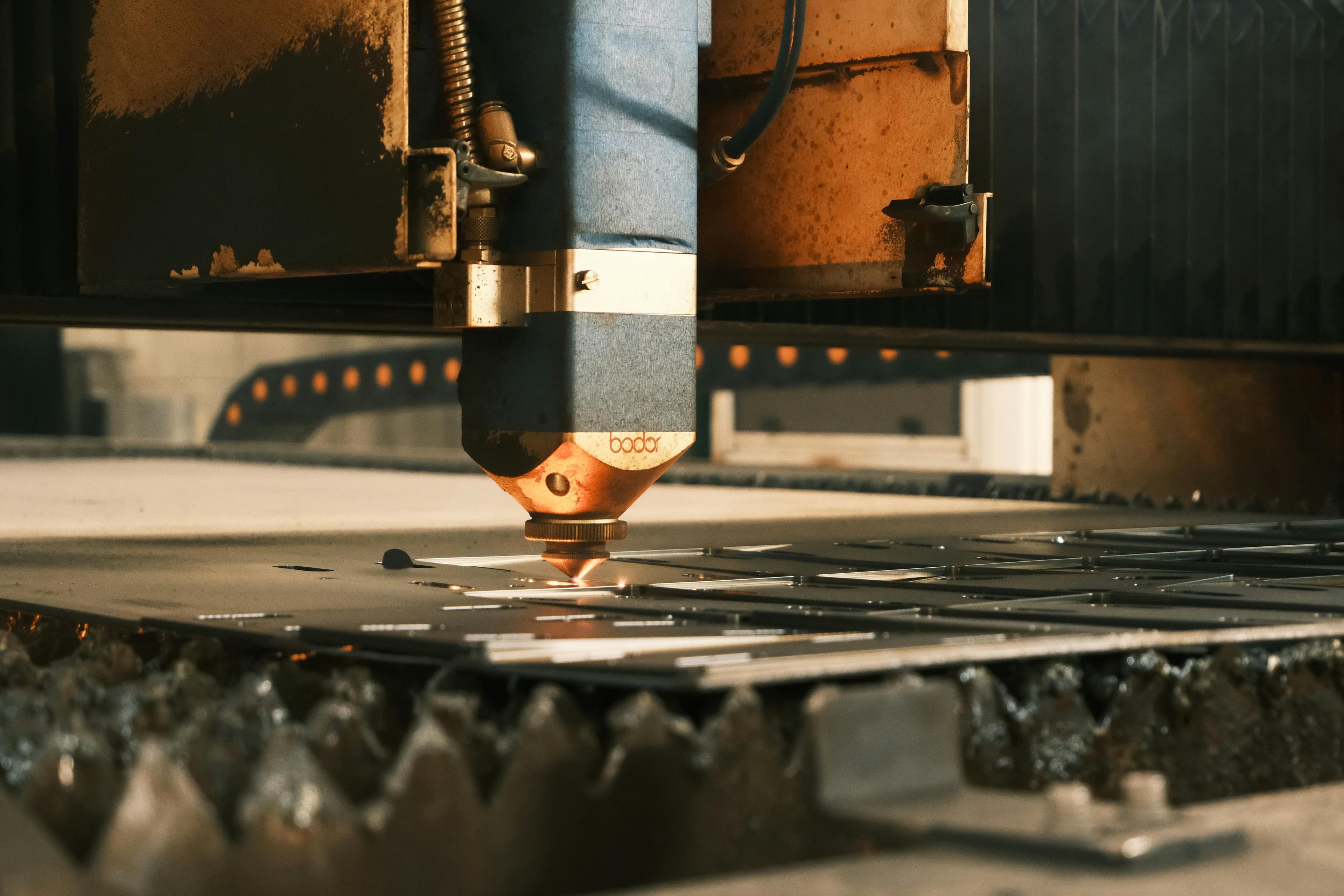
Weld Defects We Detect
Our AI is trained to identify the full range of weld defects that affect connector reliability, from surface-visible issues to defects that correlate with internal problems.
See It In Action
Battery Laser Welding Case Study
See how we achieved 100% accuracy detecting laser weld deviations on battery cells
Related Articles
Ensure Every Weld Meets Spec
See how Overview AI delivers 100% laser weld inspection coverage without slowing your production line.
Book a Demo