Telecentric lenses in machine vision: when you actually need one
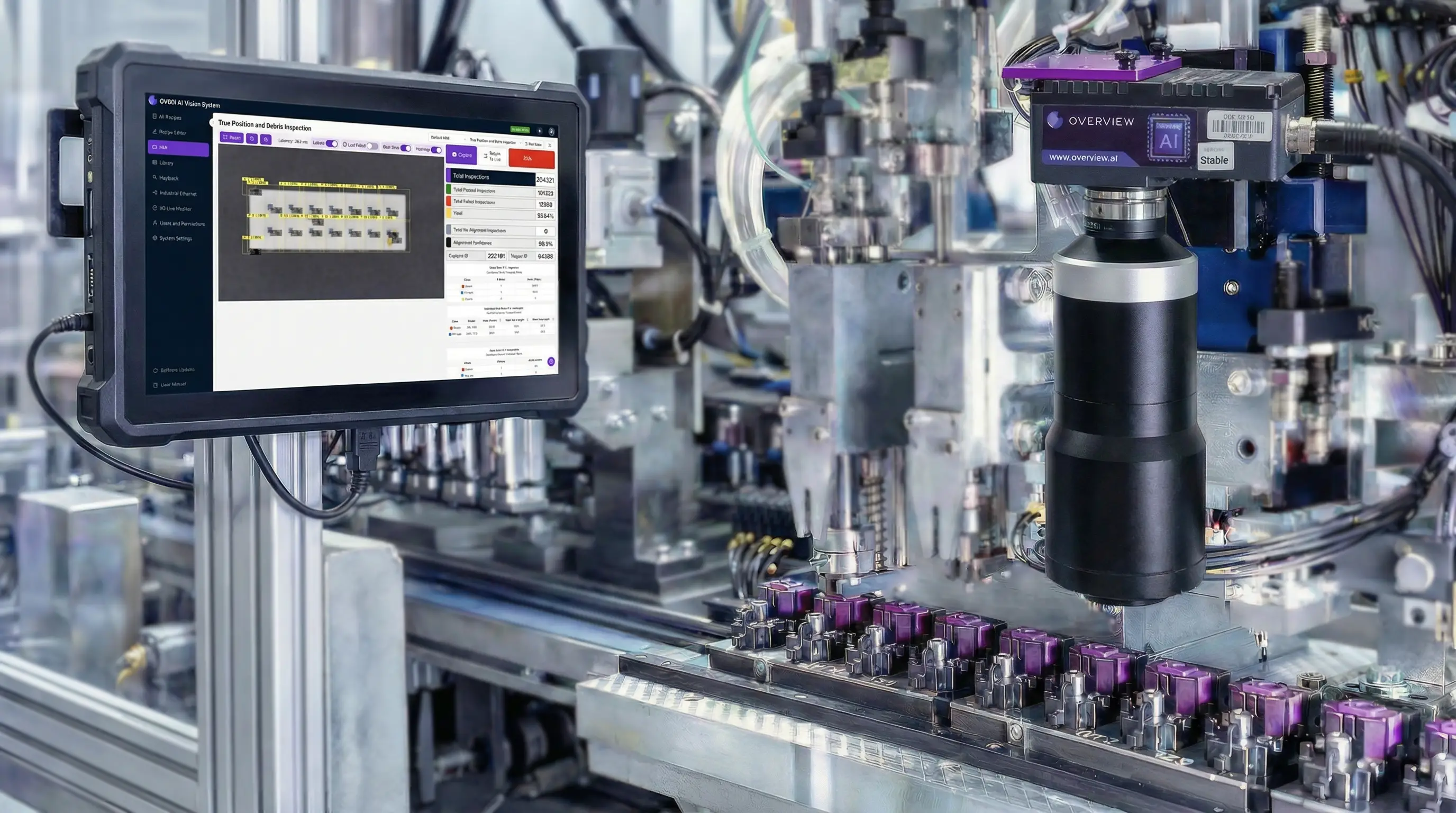
A telecentric lens solves exactly one problem, and it solves it completely. If you have that problem, nothing else will do. If you do not, you are paying several times the price of a standard lens for a narrower field of view and a fixed working distance.
This is a plain explanation of the problem it solves, how to recognise that you have it, and what you give up in exchange.
The problem: things get bigger as they get closer
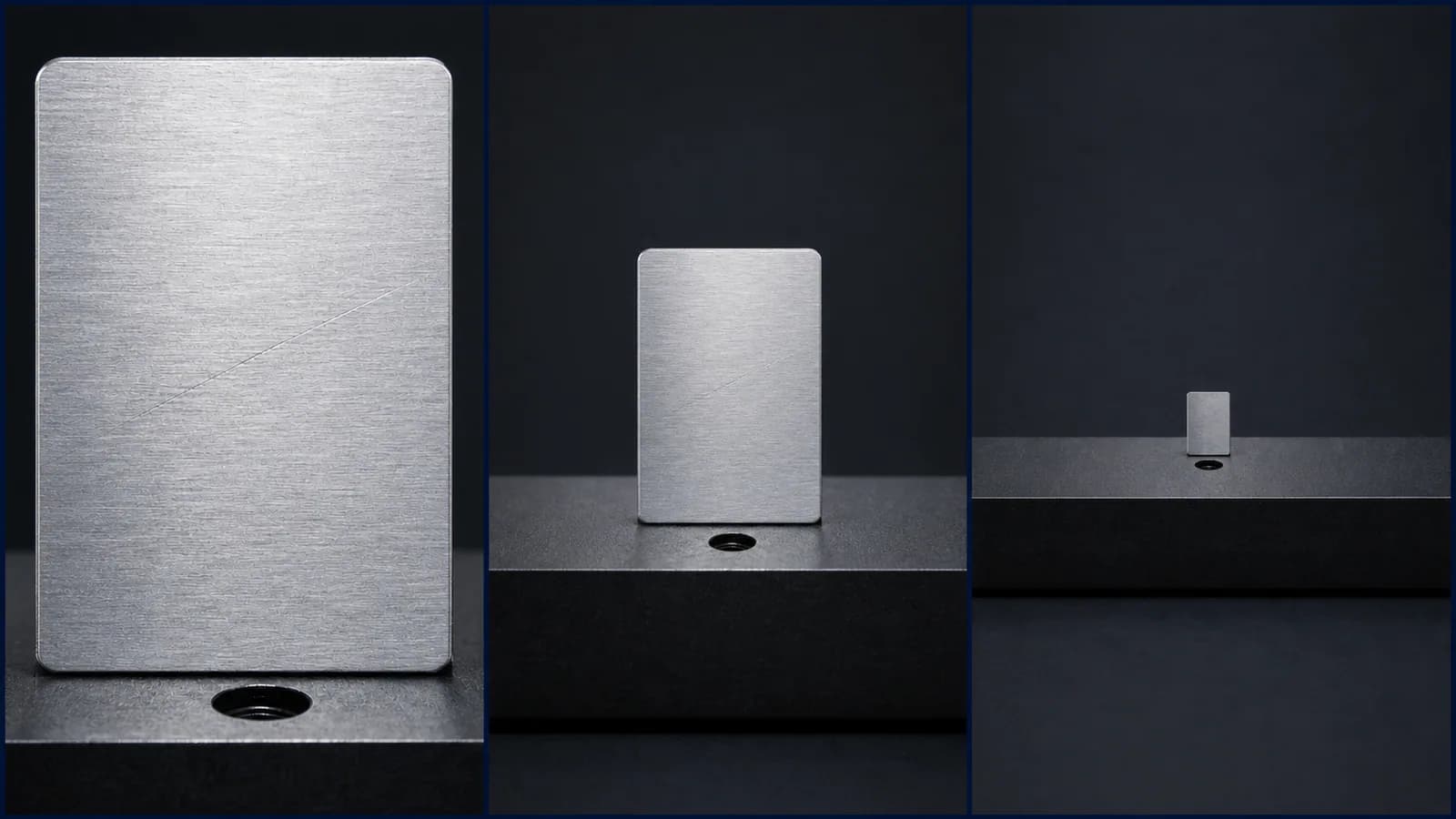
A normal lens, properly called entocentric, works the way your eye does. It has a cone of view that widens with distance, so an object appears larger when it is nearer the lens and smaller when it is further away. Every photograph you have ever seen relies on this, and for most inspection it is harmless.
It stops being harmless the moment you measure. Two consequences follow directly from that cone:
Magnification changes with height
A part sitting 2 mm higher on the fixture images slightly larger. Measure it and you get a different answer for an identical part, purely because it was not seated the same way.
You see the sides of things
Away from the optical centre the lens looks at objects slightly from the side, so a hole becomes an oval and a pin leans outward. The further from the middle, the worse it gets.
A telecentric lens removes both. Its rays are parallel rather than converging, so magnification is constant regardless of distance and every point is viewed straight on. A hole is round wherever it sits in the frame, and a part that shifts in height measures the same.
When it is the only correct answer
Four situations genuinely require telecentric optics rather than merely benefiting from them.
Dimensional measurement to a real tolerance
If you are reporting a number that a drawing has a tolerance on, perspective error is measurement error. A standard lens introduces a variation you cannot calibrate away, because it depends on where the part happened to sit.
Parts with real height, inspected from above
Anything with depth seen through a normal lens shows its walls, so a bore looks tapered and a connector shell leans. Telecentric optics look straight down the whole frame, which is why they are standard for pin and bore work.
Features that must be compared across the frame
When a check compares a feature at the edge against one in the middle, perspective makes them different before the part does. Pin pitch across a wide connector is the classic case.
Part position you cannot fully control
If parts arrive with some height or seating variation and refixturing is impractical, telecentric optics absorb that variation optically instead of you engineering it out mechanically.
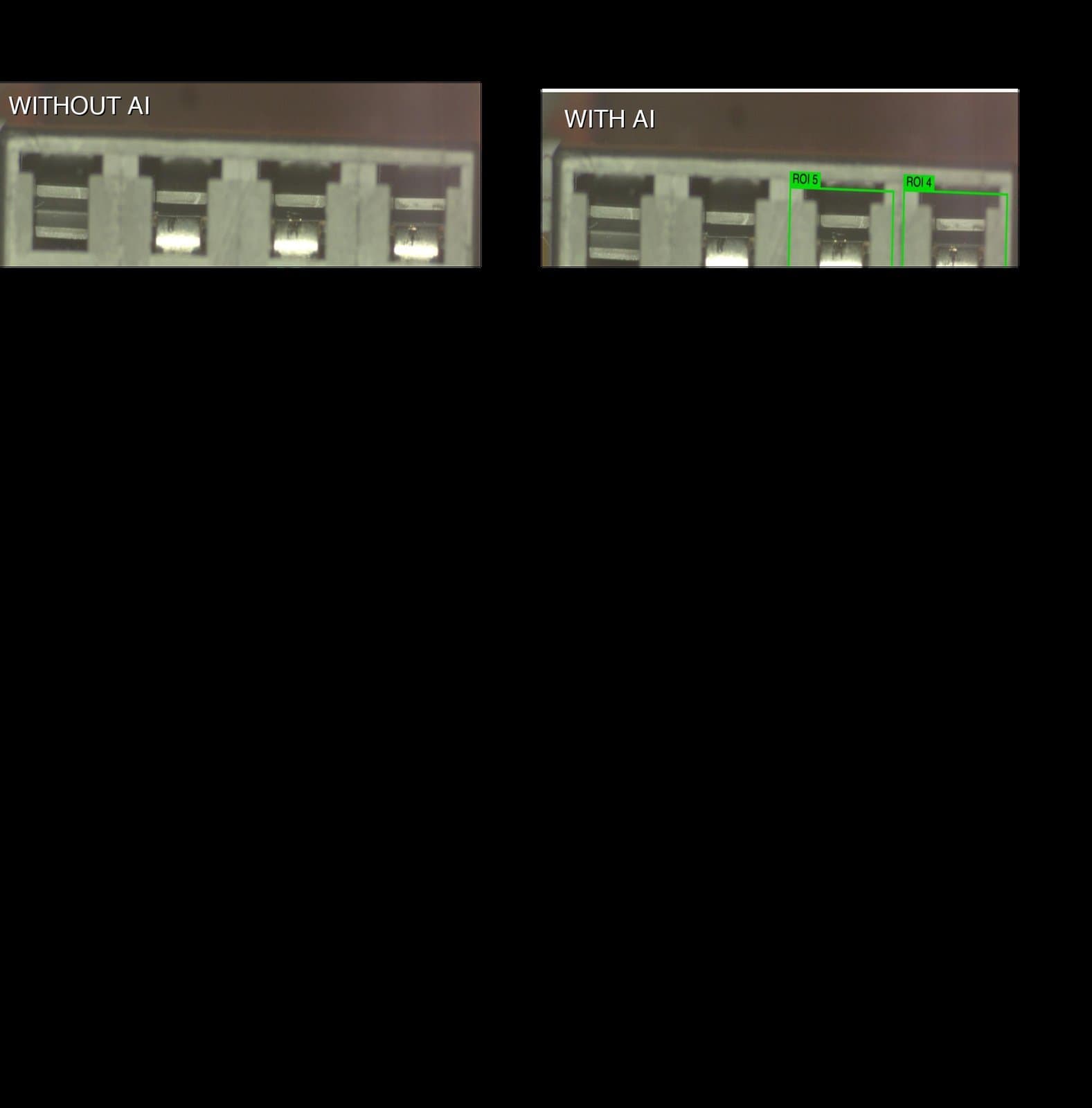
Connector inspection is the example we run into most often. Multi-pin headers are exactly the hard case: real height, features that must be compared across the whole frame, and a tolerance on pin position. On one connector project we used a telecentric lens specifically to eliminate perspective distortion, and the model then reached full accuracy on the test set from two training images, one all-good and one all-bad. The optics did the work that would otherwise have fallen to the model.
What you give up
Telecentric lenses are not a free upgrade. Four real costs come with them.
| Constraint | What it means in practice |
|---|---|
| Field of view is fixed | The lens has one field of view, set by its optics. You cannot back it off to see more, so the part has to fit the lens rather than the other way around. |
| The optics must cover the part | Parallel rays mean the front element has to be at least as wide as the field of view. A large part needs a physically large and expensive lens, which is why telecentric work is concentrated on small parts. |
| Working distance is fixed | Mounting height is decided by the lens, not by your guarding and access. Confirm it fits the station before committing. |
| Cost | Several times a comparable standard lens. Justified when the alternative is a measurement you cannot trust, hard to justify otherwise. |
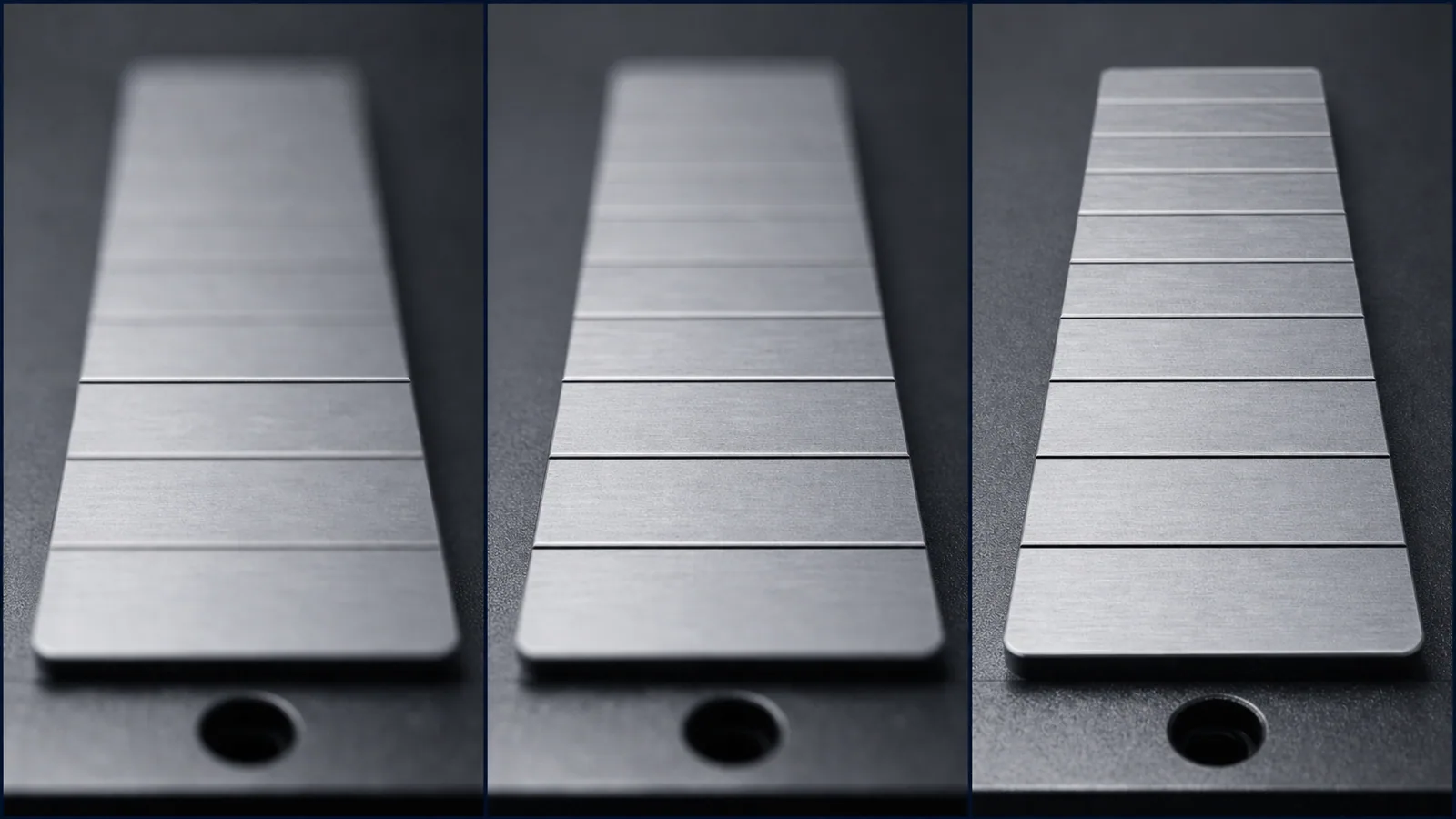
Depth of field is also worth checking rather than assuming. Telecentric lenses often run at a small aperture, which helps, but the depth you get is still finite and still needs to cover the height variation of your part.
When you do not need one
Most inspection is detection, not measurement, and detection does not care about perspective. If the question is whether a scratch, a stain, a missing component, or a bad weld is present, a standard lens with the right lighting is the correct and much cheaper answer. Perspective error shifts where a feature appears by a fraction of a millimetre. It does not hide a defect.
The distinction worth holding onto: specifying measurement when you actually needed detection is one of the most common ways to overbuy an inspection. Decide which question you are asking first, then buy the optics for that question.
How to decide, concretely
- Write down whether you are detecting a defect or reporting a dimension. If it is detection, stop here and use a standard lens.
- If it is a dimension, find the tolerance. Then estimate your part height variation and how far from centre the feature sits.
- Compare the perspective error that implies against the tolerance. If it consumes a meaningful share of it, you need telecentric optics.
- Check that the lens field of view fits your part and that its fixed working distance fits your station.
- Confirm the depth of field covers your height variation.
Our optics calculators will do the arithmetic for both paths, including telecentric options with their fixed working distances, so you can compare a standard lens at a chosen mounting distance against the telecentric alternative before anyone quotes hardware. The industrial camera guide covers the sensor side of the same decision, and the guide to machine vision systems puts both in the context of the whole station. Lighting is the other half of any optics decision, covered in our piece on machine vision lighting.
Frequently Asked Questions
What is a telecentric lens?
A telecentric lens is a lens whose rays are parallel rather than converging, so magnification stays constant regardless of the distance to the object and every point in the frame is viewed straight on. In practical terms it removes perspective: a hole stays round wherever it sits in the image, and a part that sits slightly higher measures the same size. A standard lens, properly called entocentric, has a cone of view that widens with distance and therefore cannot do either.
When do I need a telecentric lens?
When you are reporting a dimension against a tolerance, when the part has real height and is inspected from above, when a check compares features across the frame such as pin pitch on a wide connector, or when part height and seating vary in ways you cannot fixture out. Outside those cases a standard lens with good lighting is usually the correct choice.
What is the difference between a telecentric and a standard lens?
A standard entocentric lens has a field of view that widens with distance, so objects appear larger when nearer and features away from the centre are seen slightly from the side. A telecentric lens has parallel rays, giving constant magnification and a straight-on view everywhere in the frame. The trade is that a telecentric lens has a fixed field of view, a fixed working distance, front optics at least as wide as the field of view, and a much higher price.
Why are telecentric lenses expensive?
Because parallel rays require the front optical element to be at least as large as the field of view being imaged. Doubling the field of view roughly doubles the diameter of precision glass required, and cost grows quickly with that diameter. It is also why telecentric optics are concentrated on small parts, and why a large telecentric lens is often impractical rather than merely costly.
Do telecentric lenses have better depth of field?
They often behave well because they are commonly used at small apertures, but depth of field is still finite and should be checked rather than assumed. The requirement is the same as for any lens: the band that stays acceptably sharp has to cover the height variation of your part at your working distance.
Can I use a telecentric lens for defect detection instead of measurement?
You can, and it will work, but it is rarely worth the money. Perspective error shifts where a feature appears by a fraction of a millimetre; it does not conceal a scratch, a stain, or a missing component. For detection, spending the budget on lighting geometry will improve results more than spending it on telecentric optics.
See how Overview AI inspects telecentric optics
Send us a photo of your part or defect and a vision engineer will tell you whether Overview can catch it, with most systems deployed on the line in days.
Related Articles
Machine Vision Lighting
The six lighting geometries, and how to pick one from the defect you need to find.
Read More →Global Shutter vs Rolling Shutter
Why a rolling shutter skews a moving part, and how to tell which one your line needs.
Read More →Industrial Camera Selection for AI Inspection
The sensor side of the same decision, and the specs that decide the outcome.
Read More →